Medical Conditions: Clear Guides and Practical Steps
Confused by medical terms or unsure what to do next? This category gathers straightforward, useful articles on common medical conditions so you can understand causes, spot warning signs, and try practical steps that make a real difference.
What you'll find here
Read about how community action helps prevent enteric infections — simple habits like handwashing, cleaner water, and safer food handling that cut illness in towns and neighborhoods.
See guidance on couples therapy for infertility: ways to improve communication, share decisions, and cope with the emotional toll while pursuing treatment.
Learn how emphysema affects the heart and circulation, why shortness of breath changes how your heart works, and what daily steps can ease breathing and protect your circulation.
Explore how ranolazine can reduce angina episodes and help people stick with their treatment plans, plus practical tips to manage meds and side effects.
Each article focuses on clear next steps. You’ll get short checklists, red flags that mean call your clinician, and simple self-care actions you can start today.
For preventing enteric infections, try three concrete moves: wash hands with soap for 20 seconds before meals, choose boiled or treated water when the supply is uncertain, and keep raw foods separate from cooked ones. These cut common transmission routes and are easy to teach neighbors or family members.
If infertility is straining your relationship, use brief, regular check-ins: set a 15-minute weekly time to share how each of you is coping, use "I" statements to avoid blame, and agree on one practical support task from your partner each week (appointments, medication reminders, or research). Therapy also helps turn worry into a shared plan.
People with emphysema can protect their heart by tracking exertion and symptoms. Practice paced breathing (inhale for two counts, exhale for four), keep activity gentle but regular, get flu and pneumonia vaccines, and report swelling or faintness to your clinician — these signs can mean the heart is being affected.
To get the most from angina treatment that includes ranolazine, simplify your routine: use a single daily pill box, set phone alarms, and review all meds with your doctor to avoid interactions. If chest pain changes or side effects appear, contact your provider rather than stopping medication on your own.
How to use this page
Use the search and tags to find articles by symptom or condition. Start with a short summary, read the practical checklist, then check the red-flag section before acting. These pages are a workshop, not a diagnosis — always bring questions from our checklists to your healthcare visit.
Explore the articles, try one practical tip this week, and reach out to a clinician when symptoms change. If you want, bookmark this page to return to clear, actionable guidance when you need it.

Kyphoplasty vs Vertebroplasty: What You Need to Know About Vertebral Fracture Treatment
Kyphoplasty and vertebroplasty offer fast, minimally invasive relief for vertebral compression fractures caused by osteoporosis. Learn how they differ, which one is right for you, and what to expect before and after.

Hyperparathyroidism: High Calcium, Bone Loss, and When Surgery Is Needed
Hyperparathyroidism causes high calcium, bone loss, and fatigue. Surgery is the only cure-and it works. Learn the signs, when to act, and what to expect after surgery.

Dry Mouth from Medications: Why It Happens and How to Manage It
Dry mouth from medications is a common but often ignored side effect that can lead to serious dental problems. Learn which drugs cause it, how to manage it, and what steps to take now to protect your oral health.

Bariatric Surgery: Gastric Bypass vs. Sleeve Gastrectomy - What Really Works
Gastric bypass and sleeve gastrectomy are the two leading weight loss surgeries. Learn how they differ in effectiveness, risks, recovery, and long-term outcomes to make the right choice for severe obesity.

Bell’s Palsy: How Corticosteroids Help Restore Facial Movement
Bell’s palsy causes sudden facial paralysis, but prompt corticosteroid treatment can significantly improve recovery. Learn how prednisone works, why timing matters, and what treatments actually help.

Swimmer's Ear Prevention and Treatment: What Actually Works
Swimmer's ear, or otitis externa, is a painful ear infection caused by water trapped in the ear canal. Learn how to prevent it with simple drying techniques and effective treatments that actually work.
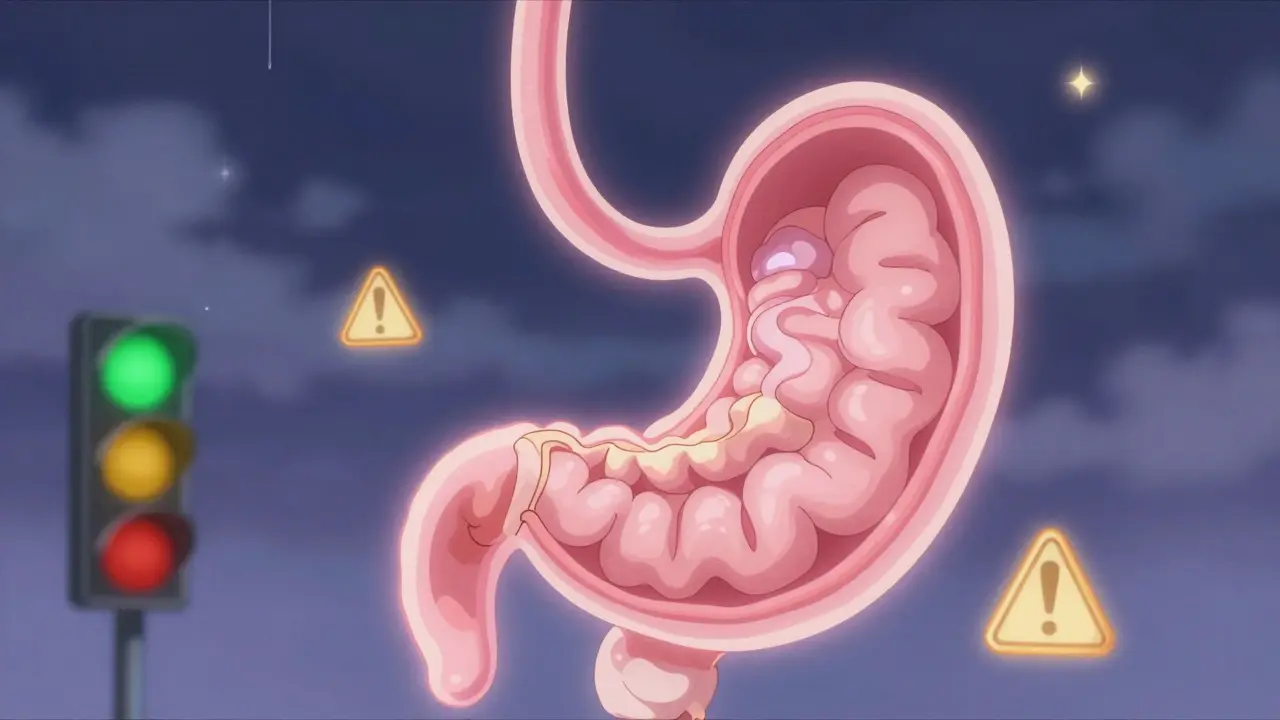
Barrett’s Esophagus: Understanding Dysplasia Risk and Effective Ablation Options
Barrett’s esophagus raises cancer risk, but early detection and ablation can prevent it. Learn your dysplasia risk, compare RFA and cryoablation, and understand what treatment works best.

Headache Types: Tension, Migraine, and Cluster Differences Explained
Tension, migraine, and cluster headaches are three distinct conditions with different causes, symptoms, and treatments. Learn how to tell them apart and what to do if you're not getting relief.

Oral Food Challenges: Safety and Diagnostic Value
Oral food challenges are the gold standard for diagnosing food allergies, offering definitive answers when blood and skin tests are unclear. Learn how they work, their safety profile, and why they’re essential for accurate diagnosis.
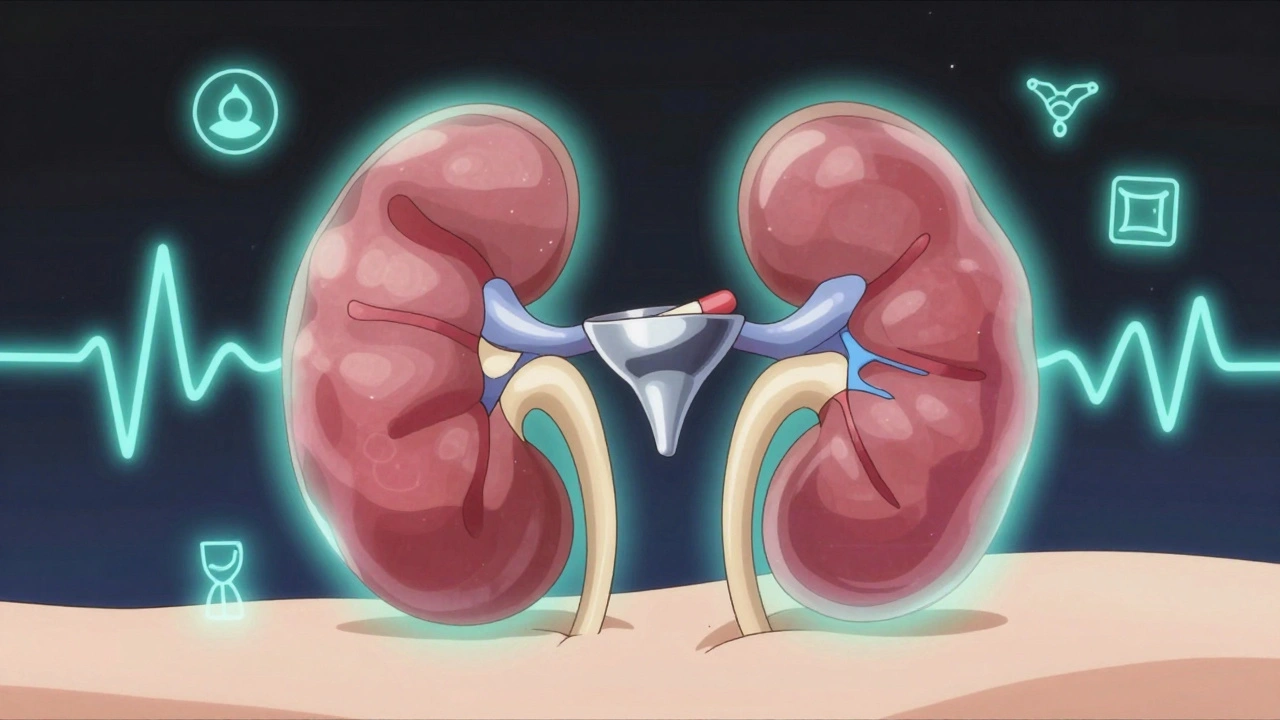
Renal Ultrasound and Imaging: How to Evaluate Kidney Obstruction and Size
Renal ultrasound is the safest, first-line test to check for kidney obstruction and measure kidney size. It detects hydronephrosis, measures resistive index, and avoids radiation-making it essential for diagnosing blockages without harming patients.
Top News
-
How to Identify Authorized Generics: Packaging and Labeling Guide 7.04.2026
-
Pomegranate Juice and Medication Metabolism: What to Consider 1.04.2026
-
FDA Oversight of Foreign Generic Drug Manufacturing: Standards and Compliance 8.04.2026

-
When to Seek Emergency Care: Medication Red Flags and Warning Signs 4.04.2026