
The Nocebo Effect in Medications: Why Expectations Affect Perceived Side Effects
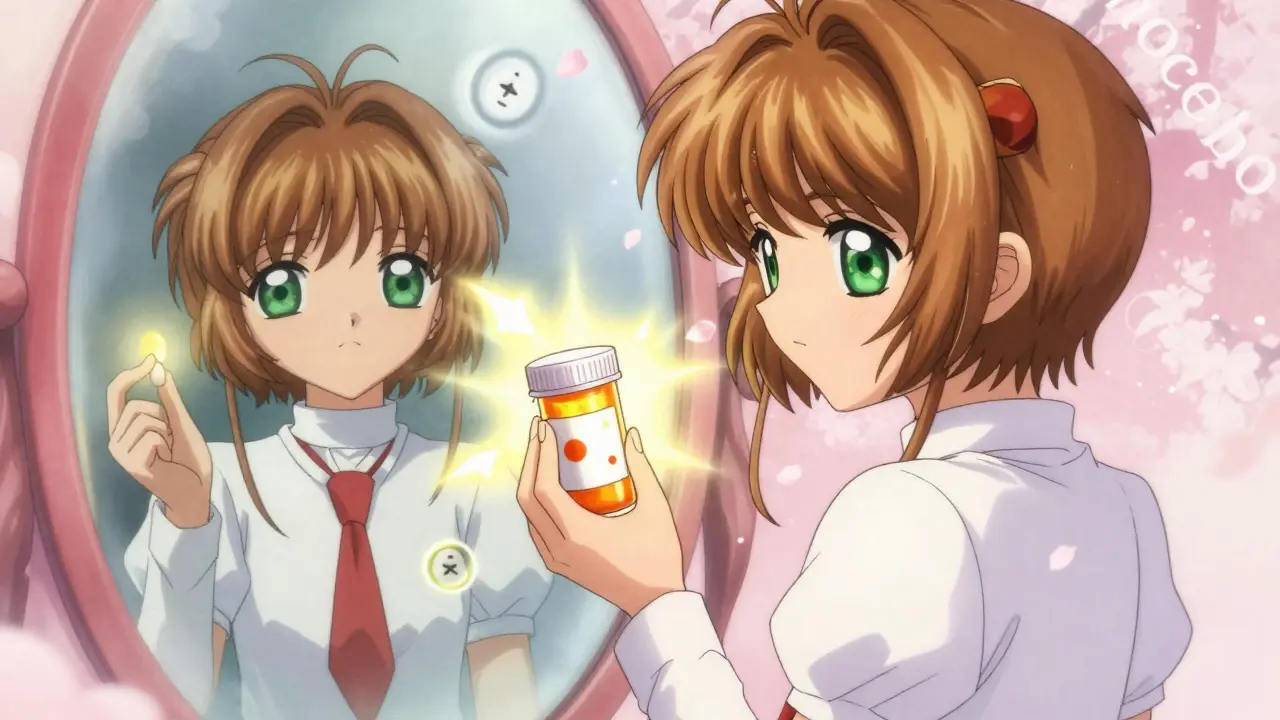
When you open a new prescription bottle and read the long list of possible side effects, do you start feeling them before you even take the pill? You’re not alone. Many people report nausea, dizziness, or fatigue after starting a new medication-even when the pill is just a sugar pill. This isn’t imagination. It’s the nocebo effect.
What Exactly Is the Nocebo Effect?
The nocebo effect happens when negative expectations about a treatment cause real physical symptoms. The word comes from Latin: nocebo means "I will harm." It’s the dark twin of the placebo effect, where positive expectations make a treatment work better. But while placebo can boost healing, nocebo can make you feel sick-even if the medicine has no active ingredients.
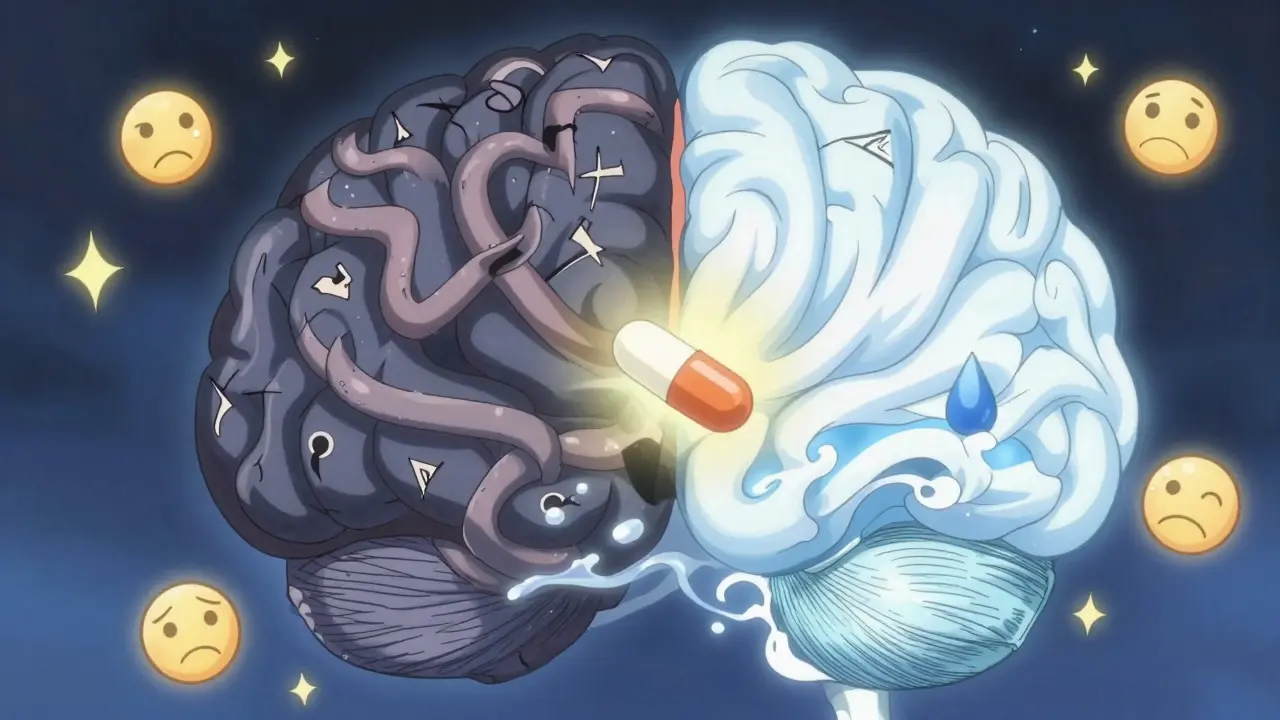
In clinical trials, about 20% of people given a sugar pill report side effects like headaches, fatigue, or stomach upset. Around 10% of them quit the trial because they believed the pill was harming them. These aren’t made-up symptoms. Brain scans show real changes in pain-processing areas like the anterior cingulate cortex and insula when people expect harm. Their bodies react as if the drug is toxic-even when it’s not.
Why Do People Feel Side Effects That Aren’t There?
It’s not just about being anxious. The nocebo effect works through three main paths:
- Heightened awareness: You start noticing normal body sensations-like a mild headache or tiredness-and blame them on the new pill.
- Misattribution: You had a stomach bug last week, but now that you’re on medication, you assume the pill caused it.
- Amplification: Your condition naturally flares up or improves over time, but negative expectations make you interpret it as worse.
One famous study on the painkiller remifentanil showed how powerful this is. When patients were told the drug would make them more sensitive to pain after its effects wore off, they felt more pain-even though the drug was still working. When they were told it would help, the pain relief doubled. The same drug, same dose, completely different results based on what people believed.
Brand Switching and the Nocebo Trap
One of the clearest real-world examples happened in New Zealand in 2017. Doctors switched patients from brand-name venlafaxine to a cheaper generic version. The active ingredient? Identical. But after media reports warned about "problems" with the generic, reports of side effects spiked-by 300% in some cases. Patients reported dizziness, insomnia, and nausea. When they were switched back, symptoms disappeared.
This isn’t rare. On Reddit, users regularly post about switching to generic sertraline or fluoxetine and suddenly developing side effects they never had before. One user wrote: "I started feeling awful after the switch. My pharmacist said it might be psychological. Turns out, he was right."
Here’s the kicker: true pharmacological side effects follow predictable patterns. They increase with dose, appear within hours or days, and show up consistently across people. Nocebo symptoms? They appear suddenly, vary wildly between people, and disappear when expectations change. That’s how you tell them apart.
Who’s Most at Risk?
Not everyone experiences the nocebo effect equally. Research shows some groups are more vulnerable:
- Women: In placebo-controlled trials, women report 23% more side effects than men.
- People with anxiety or depression: They’re 1.7 times more likely to develop nocebo symptoms.
- Pessimistic thinkers: Those who expect the worst are more likely to feel worse.
- People who read medication leaflets: The more side effects listed, the more people report them. One study found that patients who read detailed leaflets were twice as likely to report side effects than those who didn’t.
It’s not about being "weak-minded." It’s about how your brain processes information. If you’ve had a bad experience with a drug before, or if your doctor says "this might cause nausea," your brain starts preparing for it-even before the pill hits your stomach.
How Doctors and Pharmacists Can Help
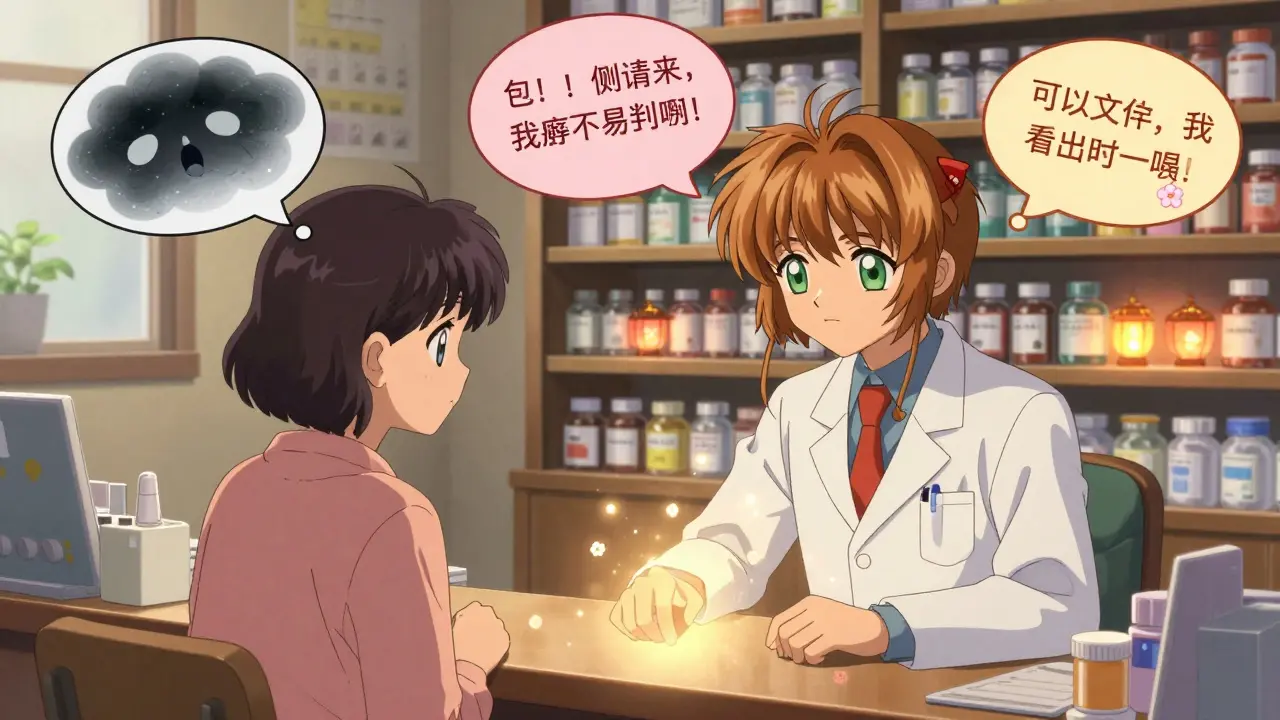
Healthcare providers play a huge role. How they talk about medication can either trigger or prevent nocebo effects.
For example, saying "Some people find the generic version less effective" sets up a negative expectation. But saying "Most people notice no difference between the brand and the generic" keeps expectations neutral or positive. Small changes in wording make a big difference.
Studies in New Zealand and Europe show that training doctors and pharmacists in communication techniques can reduce medication discontinuation by 18-22%. That means fewer people quit effective treatments because they think they’re having side effects.
One simple rule: always balance the bad with the good. Don’t just list every possible side effect. Say: "Most people tolerate this well. A few may feel a bit tired at first, but that usually fades in a week. If you feel anything unusual, let us know-we can help."
The Bigger Picture: Costs, Consequences, and Change
The nocebo effect isn’t just a psychological curiosity. It has real financial and health consequences.
Between 15% and 20% of people stop taking effective medications because they think they’re having side effects-many of which are nocebo-driven. That means more hospital visits, more doctor appointments, and more expensive treatments down the line. In the U.S. alone, poor medication adherence costs the healthcare system over $300 billion a year.
Pharmaceutical companies are starting to take notice. The FDA now asks researchers to account for expectation effects in clinical trials. The European Medicines Agency is updating patient information leaflets to reduce fear-based language. And by 2030, experts predict routine nocebo risk assessments will be part of prescribing.
But progress is slow. Only 32% of big drug companies have updated their patient materials to reduce nocebo triggers. Most still list every possible side effect, no matter how rare-like "hallucinations" or "sudden death"-without context. That’s not transparency. It’s fearmongering.
What You Can Do
If you’re starting a new medication:
- Don’t read the leaflet before taking the first pill. Wait until you’ve given it a few days.
- Keep a simple journal: note how you feel each day, but don’t jump to conclusions.
- If you feel something new, don’t assume it’s the drug. Ask: "Could this be stress, sleep loss, or something else?"
- Ask your doctor: "How common are these side effects? What percentage of people actually experience them?"
- If you switch brands and feel worse, talk to your pharmacist. It might not be the drug-it might be your brain.
Remember: your body doesn’t just respond to chemicals. It responds to your thoughts, your fears, and the words you hear. The nocebo effect proves that. Understanding it doesn’t make your symptoms fake. It makes them explainable-and manageable.
Is the nocebo effect real, or just in my head?
It’s real-but not "in your head" the way you might think. Nocebo symptoms are physical and measurable. Brain scans show increased activity in pain and stress centers when people expect harm. Your body releases stress hormones, tightens muscles, and changes heart rate-all because your brain believes something is wrong. It’s not fake; it’s a biological response to belief.
Can the nocebo effect happen with over-the-counter meds too?
Absolutely. People report headaches after taking acetaminophen because they read "possible liver damage" on the label. Others feel drowsy after antihistamines because they were told "this can make you sleepy." Even supplements like melatonin or magnesium can trigger nocebo reactions if you expect side effects. The effect doesn’t care if the drug is prescription or not-it responds to expectation.
Why do some people get nocebo effects and others don’t?
It’s a mix of biology and experience. People with anxiety, depression, or a history of negative medical experiences are more likely to develop nocebo symptoms. Personality plays a role too-those who are more sensitive to bodily sensations or prone to catastrophizing are at higher risk. But even the most optimistic person can fall into it if they’re bombarded with scary information.
Does the nocebo effect mean I shouldn’t trust my symptoms?
No. Never ignore new or worsening symptoms. But do question whether they’re caused by the drug-or by your expectations. If you feel worse after switching to a generic, or after reading a long side effect list, it might be nocebo. Talk to your doctor. They can help you figure out if it’s a real reaction or a psychological one.
Can doctors prevent the nocebo effect?
Yes, by how they communicate. Doctors who use balanced, reassuring language reduce nocebo rates. Instead of saying "this drug can cause severe nausea," they say "some people feel mild nausea at first, but it usually goes away in a few days." Training in this kind of communication has been shown to cut medication discontinuation by nearly 20%. It’s not about hiding risks-it’s about framing them wisely.


Jonathan Rutter
Look, I’ve been on SSRIs for a decade, and yeah, I swear the generic switch made me feel like I was being slowly drained by a ghost. Head fog, muscle twitches, even weird taste in my mouth. I went to my doc and they acted like I was crazy. Then I found this Reddit thread where five other people had the exact same thing happen with sertraline. Turns out, it’s not just me. The pills are the same chemical, sure, but the fillers? Different. And if your brain thinks something’s off, it starts screaming. I’m not saying it’s all in my head-I’m saying my head is screaming so loud it’s making my body react. They need to test the fillers like they test the active ingredients. This isn’t psychology, it’s pharmacology with a side of trauma.
And don’t even get me started on how pharmacies don’t warn you. You get a new bottle, same label, same color, same shape-but now you’re sweating bullets because your brain’s playing horror movie on loop. Nocebo? Maybe. But the system that lets this happen? That’s the real villain.
Jana Eiffel
The nocebo effect, as articulated herein, is not merely a psychological phenomenon but a profound epistemological rupture between biomedical reductionism and embodied phenomenology. One cannot dismiss the somatic veracity of symptoms merely because their etiology is non-pharmacological; to do so is to reify a Cartesian dualism that has long since been deconstructed in neurophenomenological literature. The anterior cingulate and insular activations observed in fMRI studies are not 'imagined'-they are ontologically real, albeit causally contingent upon semiotic cues: the label, the warning, the tone of the physician’s voice. This is not weakness. It is the human nervous system, exquisitely attuned to symbolic meaning, responding with biological fidelity to narrative. To pathologize the patient for this response is to misunderstand both neuroscience and hermeneutics.
Moreover, the pharmaceutical industry’s continued reliance on fear-based disclosure-listing hallucinations alongside nausea-is not transparency. It is semiotic violence. A leaflet is not an informed consent form; it is a script for self-fulfilling prophecy. We must redesign communication as a therapeutic intervention, not a legal shield.
John Cena
I’ve read this whole thing and honestly? I’m just sitting here thinking how weird it is that we treat pills like they’re magic bullets and not part of a whole system-your brain, your stress levels, your sleep, your last doctor’s tone when they handed you the script. I’ve had people tell me ‘it’s all in your head’ when they mean ‘I don’t want to deal with this.’ But the truth is, it’s not ‘in your head’ like it’s fake. It’s in your head like your thoughts are literally changing your biology. That’s wild. And kinda beautiful, in a terrifying way.
I switched from brand to generic Adderall once and felt like I was sinking into quicksand for two days. No one believed me. Then I switched back and boom-normal. I didn’t even know what to call it. Now I just tell people: ‘My brain got scared.’ And honestly? That’s the most accurate thing I’ve said all year.
aine power
The nocebo effect is just capitalism’s way of monetizing anxiety.
Tommy Chapman
Let’s be real-this whole nocebo thing is just a fancy way of saying ‘people are weak and need to stop whining.’ You take a pill, you get side effects? Then you’re either allergic or you’re just a hypochondriac. I’ve been on meds my whole life, never once felt weird because I read the label. You think you’re sick because you read a list? That’s not science, that’s a personality disorder. And don’t get me started on how women report more side effects-oh, it’s hormones again, right? Classic. We need to stop coddling people who think their brain is a crystal ball. If you can’t handle a little fine print, maybe you shouldn’t be on meds at all. This country is turning into a spa for the neurotic.
Also, generics are cheaper because they’re just as good. If you can’t tell the difference, you’re probably just lazy. Stop blaming Big Pharma for your mental laziness.
Irish Council
The nocebo effect is real but the real story is the pharmaceutical industry deliberately designed the leaflets to scare people so they keep coming back for more pills and more doctor visits. They know people panic and quit then come back desperate. They profit from fear. The FDA knows this. The EMA knows this. But they won’t change it because the system is built on it. The pills are safe. The information is poison. And the doctors? They’re just reading the script they were given. Wake up.
Laura B
Reading this reminded me of when I started my first antidepressant. I was terrified. I read the leaflet, I googled every symptom, and for three days I was convinced I was having a stroke. My heart raced, I couldn’t sleep, I felt like I was melting. I called my doctor crying. She said, ‘Have you taken it yet?’ I said yes. She said, ‘Then you’re probably having nocebo.’ I was furious. Then I waited. Day four, I felt fine. Day five, I felt better than I had in months. It wasn’t the pill. It was the fear. And now? I don’t read the leaflet until I’ve been on it for a week. I keep a journal. I ask myself: ‘Is this the drug-or is this my anxiety?’ It’s changed everything. Not because I’m fragile. Because I’m human.
Also-thank you for writing this. I needed to hear someone say it out loud.
Robin bremer
bro i switched to generic fluoxetine and felt like a zombie for 3 days 😭😭😭 i thought i was dying like literally thought i was gonna keel over. then i saw this post and was like… wait… did i just panic myself into feeling awful? i did. i did. i’m so dumb. but like… i felt it. real. like my body was screaming. i’m not mad. i’m just… wow. thanks for the clarity. i’m gonna stop reading the leaflet before i take it. 10/10 post. 🙌🫶
Jayanta Boruah
It is imperative to recognize that the nocebo phenomenon is not a deviation from medical science but a corollary of neurocognitive architecture. The somatic manifestations are not psychosomatic in the pejorative sense; they are neurophysiologically grounded, mediated by the hypothalamic-pituitary-adrenal axis and autonomic dysregulation. The statistical correlation between anxiety traits and symptom reporting is not coincidental-it is causal, mediated by attentional bias and threat anticipation. Furthermore, the linguistic framing of medication information is not a trivial matter-it is a behavioral nudge of immense magnitude. The European Medicines Agency’s revision of leaflets is a step forward, but insufficient. We must institute mandatory cognitive priming protocols prior to prescription, akin to preoperative counseling. To neglect this is to perpetuate iatrogenic harm on a population scale. The cost to healthcare systems is not merely financial-it is moral.
Hariom Sharma
Man, this post hit different. I’m from India, and here, people are superstitious about meds-like if the tablet is white, it’s ‘cold’ and will make you tired. If it’s blue, it’s ‘strong.’ We don’t even need a leaflet. Just the shape and color freak people out. I’ve seen patients refuse generics because they look ‘wrong.’ I once had a guy cry because his new pill was smaller than his old one. He said, ‘It doesn’t feel like medicine anymore.’
But here’s the thing-it’s not about being dumb. It’s about trust. If your doctor says ‘this is the same,’ but the pill looks different, you don’t believe them. So we need to fix the trust gap, not just the leaflets. Talk to people. Show them the science. Let them hold both pills side by side. Make it real. Nocebo isn’t in the head-it’s in the gap between what we’re told and what we feel. Close that gap, and you close the nocebo.