Polypharmacy: When Multiple Medications Become a Risk
When someone takes five or more medications at once, that’s called polypharmacy, the use of multiple medications by a patient, often leading to increased risk of adverse effects. Also known as multiple drug therapy, it’s common in older adults and those with chronic conditions—but it’s not always safe. Just because a doctor prescribed each pill doesn’t mean they work well together. In fact, the more drugs you take, the higher the chance of dangerous drug interactions, when two or more medications affect each other’s performance or cause harmful side effects. A blood pressure pill might make your diabetes drug less effective. A painkiller could raise your risk of a stomach bleed if you’re also on blood thinners. These aren’t rare mistakes—they happen every day, often without anyone noticing until something goes wrong.
It’s not just about the number of pills. elderly medication use, the pattern of prescribing multiple drugs to older adults, often with declining kidney or liver function is a major driver of polypharmacy. As people age, their bodies process drugs slower. What was a safe dose at 50 might be too much at 75. And when multiple doctors are involved—cardiologist, endocrinologist, neurologist—it’s easy for prescriptions to pile up without anyone stepping back to ask: "Do you really need all of these?" Studies show that nearly 40% of adults over 65 take five or more medications, and about one in five of those combinations has a known high-risk interaction. The result? Falls, confusion, kidney damage, hospital stays—all preventable if someone reviews the full list.
That’s where medication safety, the practice of ensuring drugs are used correctly to avoid harm comes in. It’s not about cutting pills. It’s about asking the right questions: Is this still needed? Could one drug replace two? Are there non-drug options? The posts below show real examples—like how magnesium blocks osteoporosis meds, why sedating antihistamines increase fall risk in seniors, and how timing matters between calcium and alendronate. You’ll also see how support groups help people stick to complex regimens, and how generics can cut costs without cutting safety. This isn’t theory. It’s what’s happening in clinics, pharmacies, and homes right now. If you or someone you care about is on multiple prescriptions, this collection gives you the tools to ask better questions—and maybe even reduce the count.
How to Coordinate Multiple Prescriptions to Avoid Conflicts
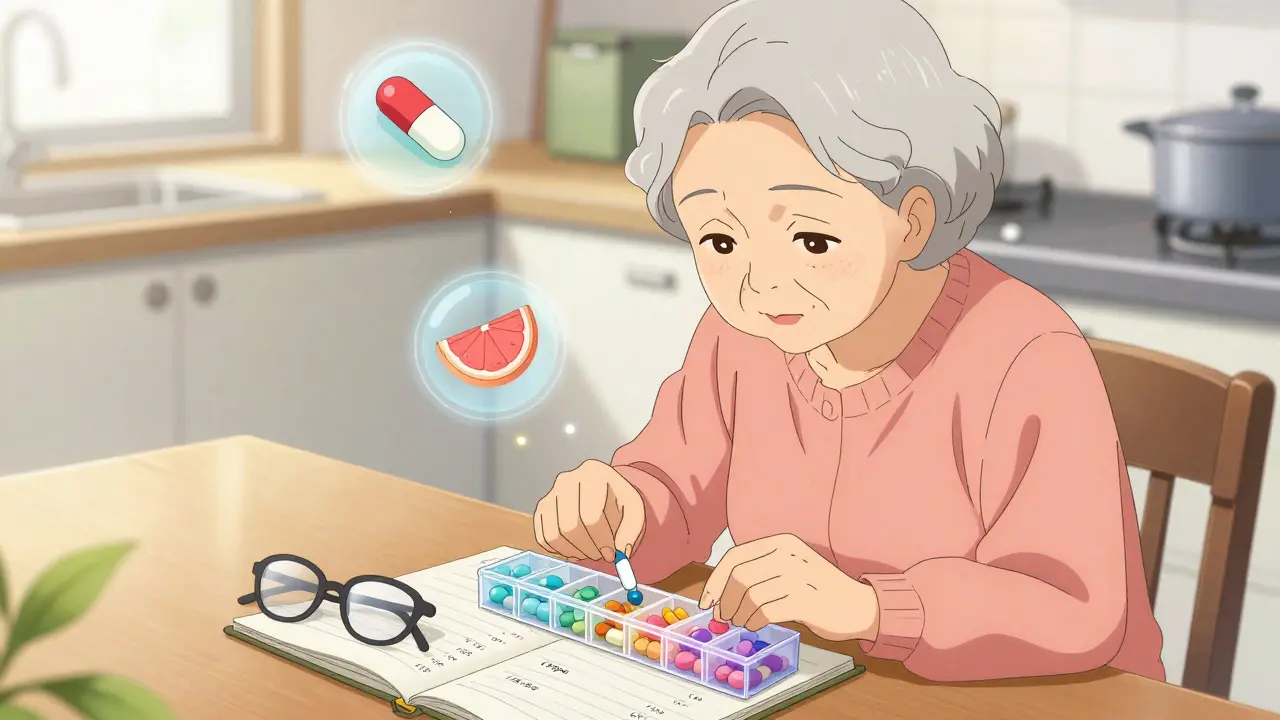
Managing multiple prescriptions safely means keeping a full list, using one pharmacy, syncing refills, and asking if you still need every pill. Simple steps can prevent dangerous interactions and hospital visits.

How to Talk to Doctors About Senior Medications: A Clear Guide for Patients and Caregivers
Learn how to communicate clearly with doctors about senior medications to avoid dangerous side effects, reduce unnecessary pills, and stay healthier longer. Practical steps for patients and caregivers.