Stopping Antidepressants: What Really Happens and How to Do It Safely
When you decide to stop taking antidepressants, medications prescribed to treat depression, anxiety, and other mood disorders by balancing brain chemicals. Also known as antidepressant medication, these drugs help millions manage daily life—but stopping them isn’t as simple as skipping a pill. Many people feel better after months or years and wonder if they can quit. But your brain adapts to the drug over time, and pulling it away too fast can trigger antidepressant withdrawal, a set of physical and emotional symptoms that occur when the body adjusts to the absence of the medication. This isn’t addiction—it’s your nervous system recalibrating. Symptoms like dizziness, brain zaps, nausea, irritability, or sleep problems can show up within days, even if you’ve been on the same dose for a long time.
That’s why tapering antidepressants, the slow, controlled reduction of dosage under medical supervision. is the only safe path. Jumping off cold turkey doubles your risk of severe discomfort and can even trigger a relapse of depression. Doctors usually recommend cutting the dose by 10-25% every few weeks, depending on the drug. Some medications, like paroxetine or venlafaxine, leave your system faster and need slower tapers than others. Your doctor will match the plan to the specific drug you’re on, your dose, and how long you’ve been taking it. If you’ve been on antidepressants for more than six months, don’t even think about stopping without talking to your provider. And if you’ve had depression before, tapering too fast could bring it back.
It’s not just about the drug—it’s about your body, your mind, and your support system. People who taper slowly and stay in touch with their doctor report far fewer problems. Support groups and tracking symptoms in a journal help too. You’re not alone in this, and there’s no shame in needing help to get off. The goal isn’t just to stop the pills—it’s to stop them without losing the progress you’ve made. Below, you’ll find real stories, science-backed tips, and clear advice from people who’ve been through it. Whether you’re thinking about quitting, already started, or just want to understand what’s possible, these posts give you the facts without the fluff.
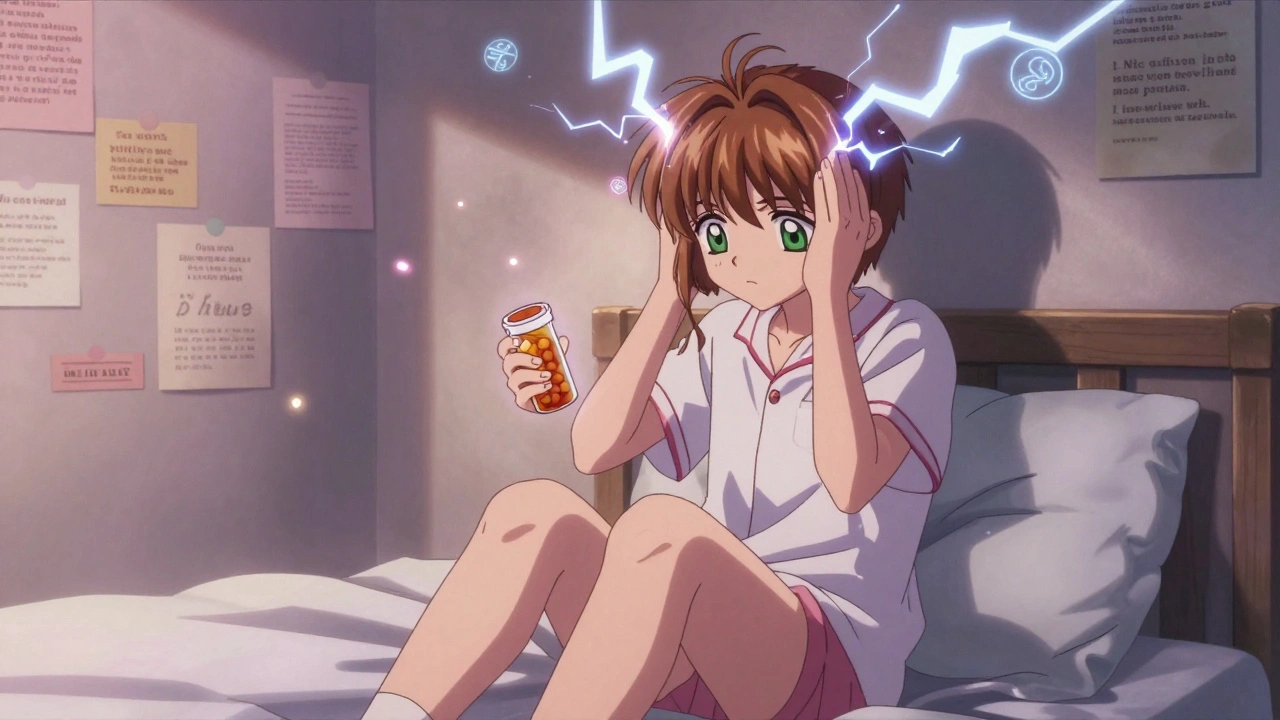
Antidepressant Discontinuation Syndrome: What It Is and How to Manage It Safely
Antidepressant discontinuation syndrome causes real physical symptoms like brain zaps, dizziness, and nausea when stopping medication too quickly. Learn how to taper safely, recognize warning signs, and avoid misdiagnosis.