
Antidepressant Discontinuation Syndrome: What It Is and How to Manage It Safely
Antidepressant Tapering Calculator
This tool calculates a safe tapering schedule based on your specific antidepressant. The recommended tapering duration depends on the medication's half-life. Shorter half-life medications typically require longer, slower tapers to avoid withdrawal symptoms.
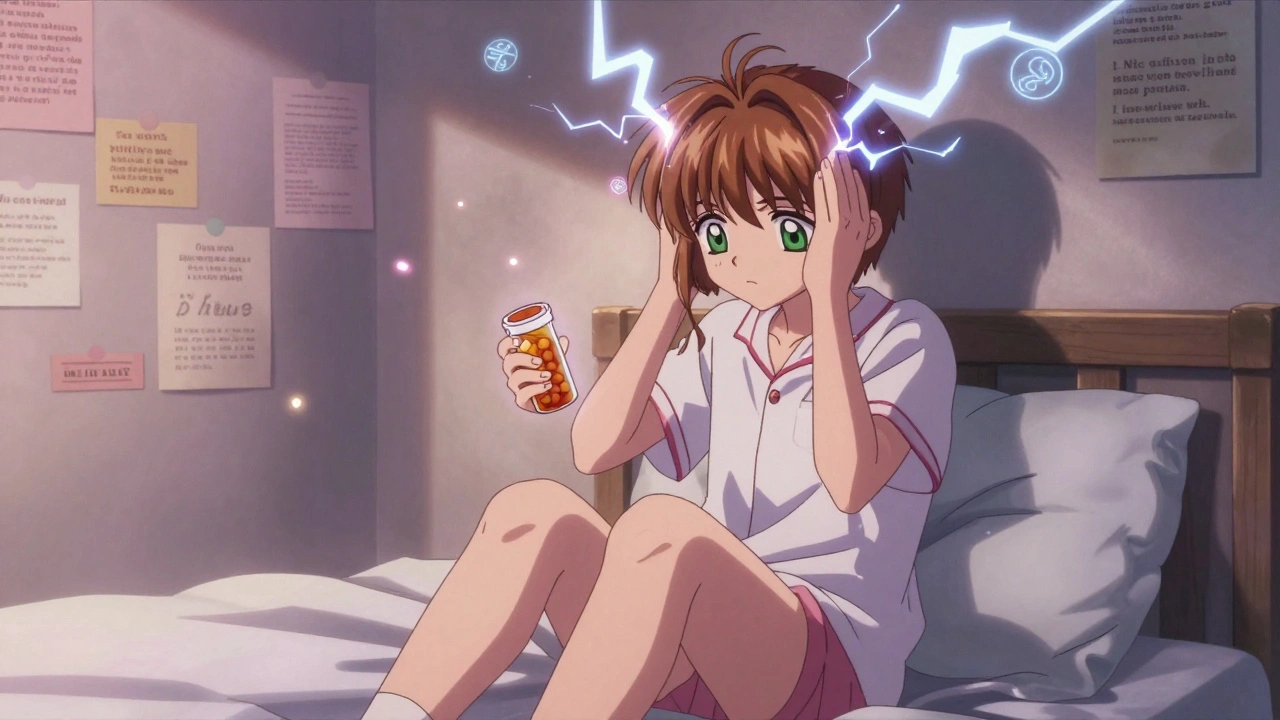
Stopping antidepressants isn’t as simple as just skipping a pill. For many people, it’s a silent, confusing, and sometimes terrifying experience. You might feel fine one day, then the next, you’re dizzy, nauseous, and getting electric shock sensations in your head when you move your eyes. These aren’t signs your depression is coming back-they’re symptoms of antidepressant discontinuation syndrome. And it’s more common than most doctors admit.
What Exactly Is Antidepressant Discontinuation Syndrome?
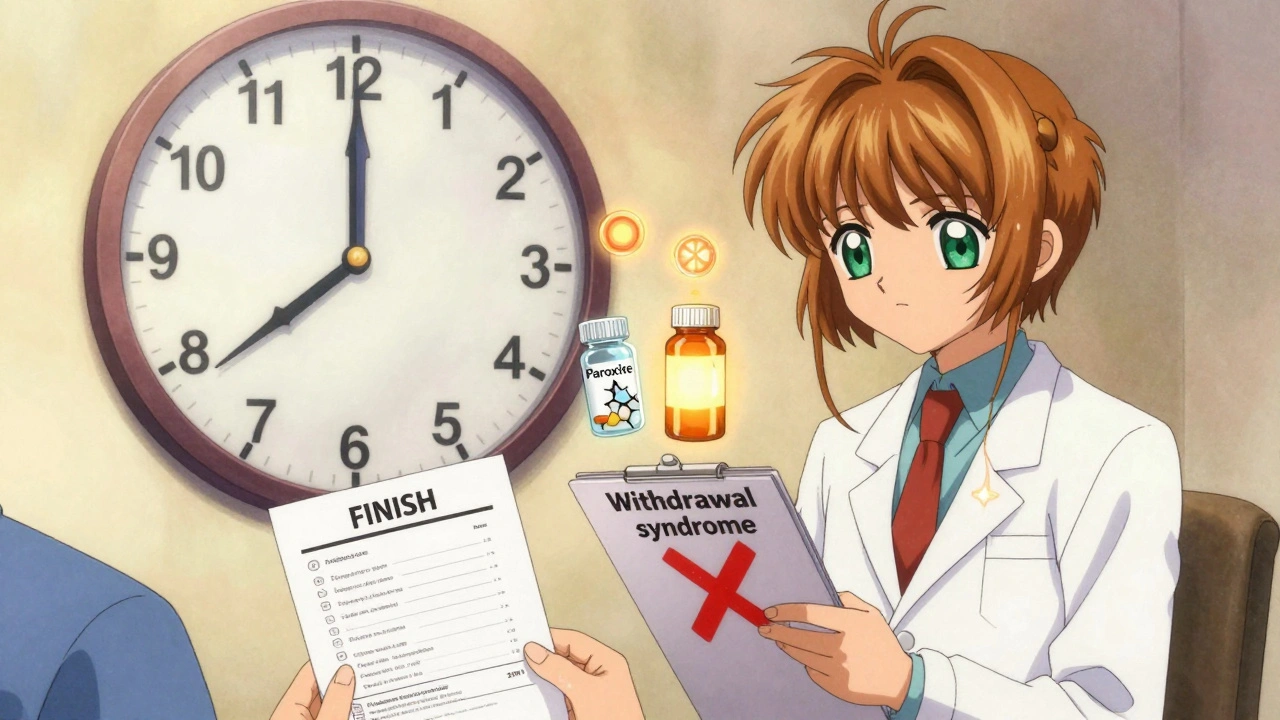
This isn’t addiction. You’re not craving the drug. You’re not getting high. But your body has adapted to its presence. Over weeks or months, your brain rewired itself to function with the extra serotonin or norepinephrine the medication provides. When you stop suddenly, that balance collapses. The result? A physical withdrawal reaction. The medical community calls it “discontinuation syndrome” to avoid the stigma of “withdrawal,” but experts like Dr. David Healy argue it’s just that-classic withdrawal, like what happens with benzodiazepines. The symptoms are real, measurable, and well-documented. The mnemonic FINISH helps remember the core signs: Flu-like symptoms, Insomnia, Nausea, Imbalance, Sensory disturbances, and Hyperarousal.What Do the Symptoms Actually Feel Like?
People describe it in ways that sound like sci-fi, but they’re real:- Brain zaps: Sudden, brief electric shocks in the head, often triggered by eye movement. One Reddit user described it as “a spark jumping between your temples.”
- Dizziness and imbalance: Feeling like the floor is tilting, or walking like you’re drunk-even if you haven’t had a drink.
- Flu-like fatigue: Not just tired. Exhausted. Muscle aches, headaches, chills. One study found 78% of people experienced this.
- Nausea and vomiting: Often sudden and intense. 59% of people report this, even if they’ve never had stomach issues before.
- Sleep nightmares: Vivid, disturbing dreams that feel more real than memories. Some wake up gasping, heart racing.
- Anxiety and irritability: A sudden surge of panic or anger out of nowhere. It’s not emotional-it’s neurological.
- Cotton wool head: A foggy, detached feeling like your thoughts are underwater.
Why Do Some Antidepressants Cause Worse Withdrawal Than Others?
It’s all about half-life-the time it takes for half the drug to leave your body.- Short half-life = harsher withdrawal: Paroxetine (Paxil) and venlafaxine (Effexor) leave your system in hours. Symptoms can hit within 12-24 hours after missing a dose.
- Long half-life = gentler transition: Fluoxetine (Prozac) sticks around for days. People on it rarely get severe withdrawal-even if they skip a week.
How Long Does It Last?
Most medical guides say 1-2 weeks. That’s not wrong-but it’s incomplete. The NIH says symptoms usually fade in two weeks. The Royal College of Psychiatrists says they can last up to a year. And the people on Surviving Antidepressants? They’re saying 73% of them had symptoms longer than two weeks. 28% reported symptoms lasting over six months. Why the gap? Because clinical trials often track patients for only a few weeks. Real life? People stop meds on their own, switch generics, or get pressured to quit during pregnancy. Then they’re left alone with symptoms doctors don’t recognize.How to Stop Safely: The Only Proven Method
There’s only one way to avoid or minimize this: slow tapering.- For SSRIs like sertraline or escitalopram: At least 4-6 weeks, sometimes longer.
- For venlafaxine or paroxetine: 8-12 weeks minimum. Some people need months.
- Never stop cold. Even one missed dose can trigger symptoms in short-half-life drugs.
What If You’ve Already Stopped and Symptoms Hit?
If you’re already in withdrawal, don’t panic. The good news? Reintroducing the original antidepressant-even just a small dose-usually resolves symptoms within 72 hours. Call your prescriber. Don’t wait. Don’t assume it’s “just anxiety.” Tell them: “I think I’m having discontinuation syndrome.” Bring up FINISH. Cite the NIH or Royal College guidelines. Most doctors aren’t trained on this. You might have to educate them. If you can’t reach your doctor immediately and symptoms are severe (intense dizziness, suicidal thoughts, chest tightness), go to urgent care. Bring a printed summary of your symptoms. Many ER staff don’t know this exists. Be your own advocate.
Hidden Triggers Nobody Talks About
You might think you’re stopping the medication. But sometimes, you’re not.- Generic switches: Switching from brand Paxil to a generic version can drop your dose by 10-20% without you knowing. That’s enough to trigger symptoms.
- Pregnancy: 41% of pregnant women stop antidepressants without medical guidance. That’s a high-risk moment.
- Insurance changes: If your drug gets delisted or your copay skyrockets, you might cut doses to save money. That’s dangerous.
- Online advice: Reddit, YouTube, and forums are full of “I quit cold turkey and felt better.” That’s anecdotal. It doesn’t mean it’s safe.
What to Do If Your Doctor Dismisses You
This is the hardest part. Many doctors still believe antidepressants aren’t addictive-so withdrawal can’t be real. That’s outdated. The evidence is clear. If your doctor says, “It’s just your depression coming back,” ask: “How long did the symptoms take to start after I stopped? Did they get better when I took one dose again?” If they still don’t listen, get a second opinion. Find a psychiatrist who specializes in psychopharmacology or withdrawal. Organizations like the International Network for Psychological Therapies or Surviving Antidepressants can help you find one.What’s Next? Research Is Changing
New studies are confirming what patients have been saying for years: withdrawal can last months. ClinicalTrials.gov has active trials (NCT04567890, NCT04812345) looking at biomarkers to predict who’s at risk. That’s huge. It means someday, we might test for vulnerability before stopping. In the meantime, the message is simple: Don’t stop antidepressants without a plan. And if you’re already off, and you’re not feeling right-your symptoms are valid. You’re not crazy. You’re not weak. You’re experiencing a known, documented physiological reaction. Your brain didn’t break. It was just holding on. And now, it’s trying to find its way back.Can antidepressant withdrawal be dangerous?
Yes, in rare cases. While most symptoms are uncomfortable but not life-threatening, severe cases-especially with MAOIs or abrupt cessation of venlafaxine-can lead to psychosis, extreme agitation, or suicidal ideation. If you experience hallucinations, chest pain, confusion, or thoughts of self-harm, seek emergency care immediately. Reintroducing the medication often resolves these symptoms within days.
Do all antidepressants cause withdrawal?
Almost all do, but the severity varies. SSRIs like paroxetine and SNRIs like venlafaxine are the most likely to cause strong symptoms. Fluoxetine is the least likely due to its long half-life. Tricyclics and MAOIs also carry high risk. Even newer drugs like vortioxetine and vilazodone have been linked to withdrawal, though data is still emerging.
How do I know if it’s withdrawal or my depression returning?
Withdrawal symptoms start within hours to days after stopping, are physically intense (dizziness, brain zaps, nausea), and improve quickly when you take the medication again. Depression relapse takes weeks to develop, usually starts with low mood or hopelessness, and doesn’t respond to a single dose. If symptoms appear suddenly after stopping and feel physical, it’s likely withdrawal.
Can I taper off on my own?
It’s not recommended. Tapering requires medical oversight. Your doctor can adjust your dose based on symptoms, switch you to a longer-acting drug if needed, and monitor for complications. Self-tapering increases the risk of severe withdrawal or relapse. If cost or access is an issue, talk to your doctor-there are often patient assistance programs.
How long should I wait before restarting an antidepressant after stopping?
There’s no fixed rule. If you stopped because of side effects, your doctor may wait weeks or months to try another drug. If you stopped and had withdrawal symptoms, restarting the same medication can resolve them in 72 hours. The timing depends on your history, symptoms, and treatment goals. Never restart without consulting a professional.
Are there any supplements or natural remedies that help with withdrawal?
No supplement has been proven to prevent or treat antidepressant withdrawal. Some people report mild relief from omega-3s, magnesium, or B vitamins, but these don’t fix the neurological imbalance. Relying on them instead of medical tapering can delay recovery and worsen symptoms. Always talk to your doctor before adding anything.

Saket Modi
bruh i quit sertraline cold turkey and thought i was dying. brain zaps felt like my skull was getting shocked by a taser. took me 3 weeks to stop crying over nothing. never again. 😭
Chris Wallace
I’ve been on this journey for over a year now. Started with fluoxetine, then switched to escitalopram, then tried to taper off after six years. The first two weeks were manageable, but around week five, the dizziness hit like a freight train. I couldn’t walk in a straight line. I thought I had a brain tumor. Turns out, it was just my nervous system screaming for balance. Took me eight months to feel normal again. No one warned me. Not my doctor, not the pamphlets, not even the FDA. It’s like we’re all just expected to magically adjust.
william tao
The medical establishment’s refusal to acknowledge antidepressant withdrawal as a legitimate phenomenon is both scientifically indefensible and ethically irresponsible. The pharmacokinetic data is unequivocal. The clinical case reports are abundant. To label this as ‘discontinuation syndrome’ is not merely semantic-it is an institutionalized denial of patient suffering. This is not ‘anxiety returning.’ This is neurochemical recalibration trauma. And until clinicians are held accountable for failing to educate patients on tapering protocols, this will remain a preventable public health crisis.
John Webber
i tried to quit effexor and thought i was gonna die. my head felt like it was full of static. i took one pill after 3 days and boom-like a reset button. my doc said it was all in my head. i told him he can take his head and shove it. now i just stay on it. worth it.
Shubham Pandey
Paxil is a nightmare. Don't touch it.
Elizabeth Farrell
I want to say thank you for writing this. I was terrified when I started tapering off citalopram after five years. I thought I was losing my mind-the brain zaps, the nausea, the way I’d cry for no reason at 3 a.m. I didn’t tell anyone because I felt weak. But reading this made me realize I wasn’t broken. I was healing. And if you’re reading this and you’re going through it-you’re not alone. It’s okay to ask for help. It’s okay to go slow. Your brain isn’t failing you. It’s just learning how to breathe again.
Kristen Yates
In India, many people stop SSRIs because they can't afford them or because family says 'you're fine now.' No one talks about withdrawal. I saw a cousin go from smiling to bedridden in three days after switching generics. No doctor checked in. She thought she was cursed. We need more awareness-not just in the US, but everywhere.
Saurabh Tiwari
bro i had brain zaps so bad i stopped driving 🤯 like imagine your head doing a lightning strike every time you look left. switched to prozac for 2 weeks then tapered. life saver. also 10/10 recommend not reading reddit while going through it. too many 'i quit and now i'm free' posts. nah fam. you're not free. you're in a war zone. 🛡️
Michael Campbell
This is what happens when you let the woke psychiatrists run things. People think they can just pop a pill and fix their problems. Now they’re addicted to chemicals because they won’t go to church or get a real job. Withdrawal? That’s karma. Stop being weak.
Victoria Graci
There’s something profoundly poetic about the brain trying to remember how to be itself after being held hostage by a molecule. We treat depression like a broken lightbulb-swap it out, flip the switch. But the mind isn’t a circuit. It’s a living ecosystem, sculpted by years of thought, trauma, silence, and hope. When we flood it with serotonin, we don’t fix it-we mute it. And when we pull the plug? The silence screams. Maybe the withdrawal isn’t the body rebelling… maybe it’s the soul finally speaking again.
Saravanan Sathyanandha
As a clinician in Mumbai, I can confirm that discontinuation syndrome is vastly underdiagnosed in South Asia. Cultural stigma prevents patients from reporting symptoms, and physicians often lack training in psychopharmacology. We need standardized tapering protocols, patient education pamphlets in regional languages, and mandatory continuing education for prescribers. This is not a Western problem-it is a global health equity issue.
alaa ismail
I tapered off sertraline over 6 months. Took a while. Felt weird sometimes. But I didn’t panic. I just kept walking, drinking water, and sleeping when I could. It’s not magic. It’s just patience. And yeah, the brain zaps were wild… but they faded. You got this.
ruiqing Jane
If you're reading this and you're currently tapering-or considering it-please know that your courage is invisible to most, but deeply felt by those who've walked this path. You are not failing. You are not weak. You are not broken. You are relearning how to exist without chemical scaffolding, and that is one of the bravest things a human can do. I believe in you. And if you need to reach out, I'm here. No judgment. No rush. Just quiet support.