Salmonella: Causes, Symptoms, and How It Connects to Food Safety and Medication Risks
When you hear salmonella, a type of bacteria that causes foodborne illness, often from undercooked eggs, poultry, or contaminated produce. Also known as Salmonella enterica, it’s one of the most common causes of food poisoning in the U.S. and worldwide. It doesn’t just give you a bad stomach—it can land you in the hospital, especially if you’re older, pregnant, or have a weakened immune system. Unlike a simple upset stomach, salmonella infection often brings fever, cramps, diarrhea that lasts days, and sometimes vomiting. It’s not something you can just ride out—some cases require antibiotics, and others can lead to long-term joint pain or reactive arthritis.
Salmonella doesn’t live in a vacuum. It’s tied directly to food safety, the practices used to prevent contamination of food during production, handling, and preparation. Poor handwashing, cross-contaminating raw chicken with vegetables, or eating runny eggs aren’t just bad habits—they’re direct pathways to infection. Even produce like sprouts or melons can carry it if grown near livestock or washed with dirty water. And here’s the twist: if you’re on antibiotic resistance, a growing problem where bacteria no longer respond to common drugs, a salmonella infection might not respond to the usual treatment. That’s why doctors are more careful now about prescribing antibiotics for mild cases—they don’t want to make the problem worse.
What you’ll find in the posts below isn’t a list of symptoms or home remedies. It’s a collection of real, practical insights that connect salmonella to bigger health systems: how it’s diagnosed, how it interacts with other medications, why some people get sicker than others, and how public health measures try to stop outbreaks before they spread. You’ll see how food safety rules, medication timing, and even hospital protocols all tie back to this one bacterium. This isn’t just about avoiding bad chicken—it’s about understanding how a tiny microbe can ripple through your health, your prescriptions, and the food system around you.
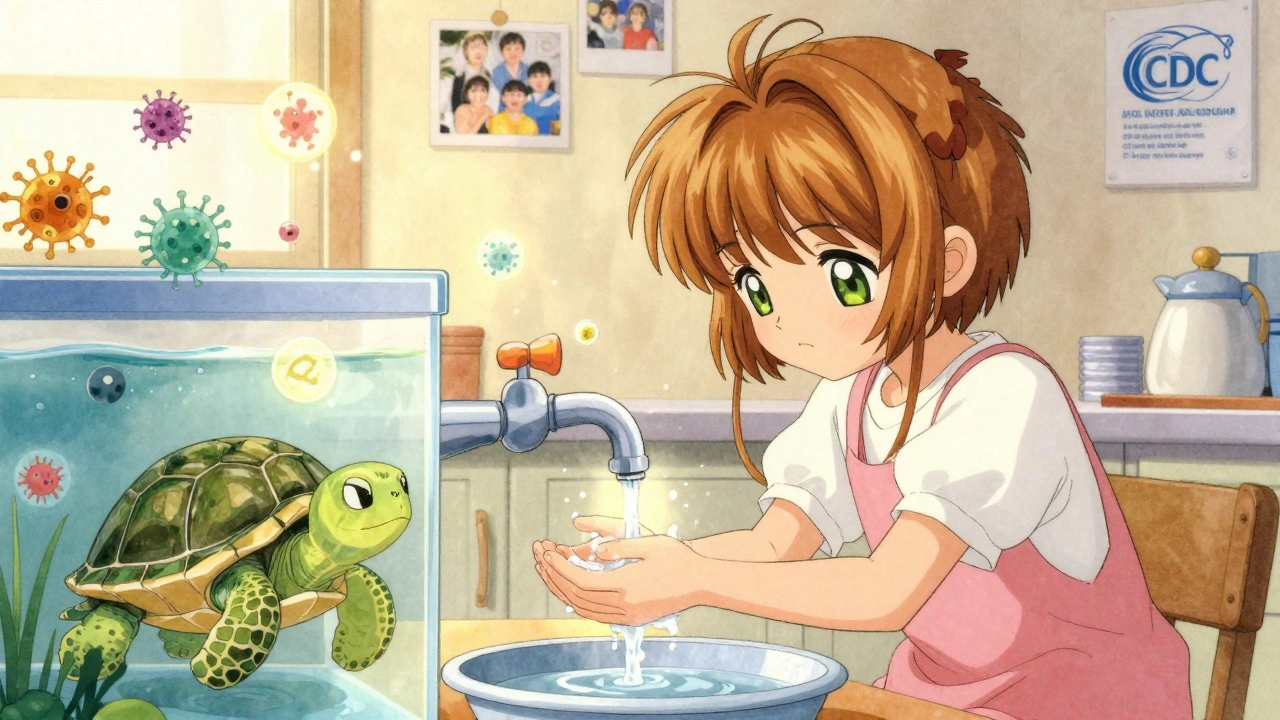
Zoonotic Diseases: How Animal-to-Human Infections Spread and How to Stop Them
Zoonotic diseases jump from animals to humans and cause most emerging infections. Learn how rabies, salmonella, and Lyme disease spread, who’s at risk, and simple steps to protect yourself and your family.