
Zoonotic Diseases: How Animal-to-Human Infections Spread and How to Stop Them
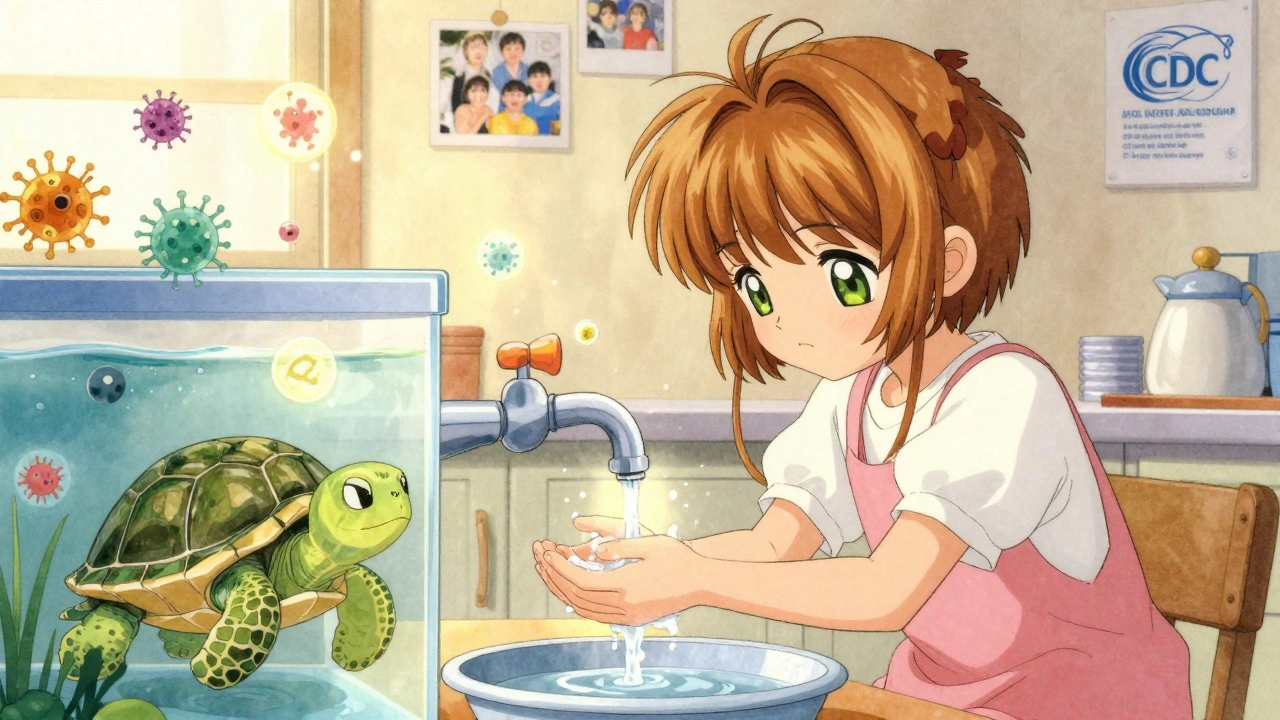
More than 60% of all known infectious diseases in humans come from animals. That’s not a guess. It’s a fact backed by the World Health Organization. Every time you pet your dog, handle raw chicken, get bitten by a mosquito, or even clean out a reptile tank, you’re potentially at risk of a zoonotic disease - an infection that jumps from animals to people. These aren’t rare outliers. They’re the root cause of some of the biggest health crises in modern history: Ebola, HIV, COVID-19, and the annual flu outbreaks. And the risk isn’t going away. It’s growing.
What Exactly Are Zoonotic Diseases?
Zoonotic diseases, or zoonoses, are infections caused by pathogens like viruses, bacteria, parasites, and fungi that spread between animals and humans. The word comes from Greek - zoon means animal. These aren’t just diseases that animals get. They’re diseases that can make you sick too.Some are well-known. Rabies, for example, has been around since ancient times. Louis Pasteur developed the first vaccine in 1885 after a boy was bitten by a rabid dog. Today, rabies still kills nearly 60,000 people a year - mostly in Africa and Asia - and once symptoms show up, it’s almost always fatal.
Then there’s salmonella. You might think it’s just a food poisoning bug, but it often comes from reptiles, chicks, or turtles. A family in Wisconsin got sick after buying pet turtles from a store. The youngest child, just two years old, ended up in the hospital with dehydration. All four family members had fevers, diarrhea, and stomach cramps. The CDC says 1 in 6 Americans get sick from contaminated food every year - and a big chunk of that is zoonotic.
Other common ones include:
- Lyme disease - spread by ticks that bite deer, mice, and dogs before biting you.
- Brucellosis - from unpasteurized milk or undercooked meat from infected cows or goats.
- Toxoplasmosis - carried by cats. Pregnant women are warned to avoid cleaning litter boxes because it can cause birth defects.
- Psittacosis - a pneumonia-like illness from bird droppings. One poultry farmer in Minnesota spent 14 days in the hospital after his parrots got sick.
- Ringworm - yes, it’s a fungus. Not a worm. You can catch it from dogs, cats, or even goats. It shows up as a red, itchy circle on the skin.
How Do These Diseases Jump from Animals to People?
There are five main ways zoonotic diseases make the leap:- Direct contact - touching an infected animal, being bitten or scratched. This is how veterinarians get tularemia from rabbits or kids get cat scratch disease from playful kittens.
- Indirect contact - touching something an animal has contaminated. Cleaning a reptile tank, playing in a sandbox where a dog pooped, or even touching a pet’s bedding can expose you.
- Vector-borne - bugs carry the germs. Ticks give you Lyme disease. Mosquitoes spread West Nile virus and malaria. Fleas can carry plague.
- Foodborne - eating undercooked meat, raw milk, or eggs from infected animals. Salmonella in chicken, E. coli in beef, and campylobacter in poultry are all common.
- Waterborne - drinking or swimming in water contaminated with animal waste. This is a big problem in rural areas without clean water systems.
Here’s the scary part: you don’t need to be near a wild animal to be at risk. Most cases happen from pets, farm animals, or even the food you buy at the grocery store. A 2022 survey by the American Veterinary Medical Association found that 23% of pet owners had been exposed to a zoonotic disease - and 67% didn’t know how to prevent it.
Why Are These Diseases Getting Worse?
It’s not just bad luck. Human behavior is making zoonotic diseases more likely to spread.Dr. Peter Daszak from EcoHealth Alliance says land-use changes - like cutting down forests for farms or housing - are responsible for 31% of new zoonotic outbreaks. When you destroy animal habitats, you force wildlife into closer contact with people and livestock. That’s how Nipah virus jumped from bats to pigs to humans in Malaysia in 1999. It’s happening again in India.
Wildlife trade is another big driver. Markets selling live animals - from monkeys to pangolins - are perfect breeding grounds for pathogens. That’s likely how SARS and COVID-19 started.
Climate change is making things worse too. Ticks that once only lived in the northern U.S. are now spreading into Canada and the Midwest. The Lancet predicts a 45% increase in areas suitable for Lyme disease by 2050. Warmer temperatures mean mosquitoes live longer and breed faster, spreading diseases like dengue and Zika to new regions.
And here’s the gap: only 38% of countries have real systems in place to connect human health, animal health, and environmental monitoring. That’s called the One Health approach. Without it, outbreaks go unnoticed until it’s too late.

How to Protect Yourself and Your Family
You can’t avoid all animals. But you can reduce your risk - and it’s simpler than you think.- Wash your hands - always after handling animals, cleaning cages, or touching pet food. The CDC says 20 seconds of soap and water cuts transmission by 90%.
- Cook meat properly - poultry to 165°F, ground beef to 160°F. Use a thermometer. Don’t guess.
- Don’t touch wild animals - even if they look friendly. Baby deer, raccoons, and bats carry rabies, hantavirus, and other deadly bugs.
- Use flea and tick prevention on pets. If your dog has ticks, so do you.
- Avoid unpasteurized milk and cheese - especially from small farms without testing.
- Keep reptiles away from young kids - turtles, snakes, and lizards are common sources of salmonella. The CDC advises against them in homes with children under 5.
- Wear gloves when cleaning up animal waste - this reduces your risk by 85%, according to a 2021 JAMA study.
And if you’re a pet owner: get your animals vaccinated. Rabies shots for dogs and cats aren’t optional. They’re lifesavers - for them and for you.
Who’s at Highest Risk?
Some people are more vulnerable than others.Veterinarians have 8 times the risk of zoonotic disease exposure compared to the average person. A vet in Wisconsin treated 12 hunters with tularemia after they handled infected rabbits. All had high fevers, skin ulcers, and swollen lymph nodes. It took 3 weeks of antibiotics to recover.
Agricultural workers get about 5.2 cases per 1,000 workers every year. That’s mostly from livestock - brucellosis from cows, Q-fever from sheep, and leptospirosis from rodents in barns.
Children under 5 and people with weak immune systems are more likely to get seriously ill. That’s why salmonella from pet turtles hits kids hardest. Their immune systems aren’t fully developed.
And here’s a hidden risk: doctors don’t always know what to look for. A 2023 report found that 68% of physicians in the U.S. have never received formal training in recognizing zoonotic diseases. They treat the fever or the rash - but don’t ask, “Did you touch a reptile?” or “Do you work with animals?” That delay can cost lives.

The Bigger Picture: One Health Is the Answer
The only way to stop the next big outbreak is to stop treating human health and animal health as separate problems.That’s the idea behind One Health - a global strategy that links doctors, veterinarians, ecologists, and farmers. It’s not new. But it’s finally getting real funding.
The WHO, FAO, and OIE launched a $150 million plan in 2022 to build One Health systems in 100 countries by 2026. The CDC just gave $25 million to set up university centers training doctors and vets together. And in Uganda, a simple program - vaccinating 70% of dogs against rabies - cut human rabies cases by 92% in five years.
It works. But only if we invest in it.
Think of it like a firewall. If you only protect the human side, the virus slips in from the animal side. But if you protect both - and the environment that connects them - you stop outbreaks before they start.
The World Bank says spending $10 billion a year on One Health could prevent 70% of future pandemics. The return? $100 for every $1 spent. That’s not just smart. It’s essential.
What You Can Do Right Now
You don’t need to be a scientist or a policymaker to make a difference.- Ask your vet about zoonotic risks for your pets.
- Teach your kids to wash hands after playing with animals.
- Report sick or dead wildlife to local health authorities.
- Support farmers who use safe, sustainable practices.
- Don’t buy exotic pets from illegal markets.
Zoonotic diseases aren’t going away. But they’re not inevitable. We know how to stop them. We just have to choose to act - one handwashing, one vaccine, one policy change at a time.
Can you get rabies from a pet dog?
Yes, but it’s rare in countries with routine dog vaccination programs. In the U.S., most rabies cases come from wild animals like bats, raccoons, and skunks. But if your dog isn’t vaccinated and gets bitten by a rabid animal, it can pass the virus to you through a bite or scratch. That’s why keeping your dog’s rabies shot up to date isn’t just a rule - it’s a life-saving step.
Are pet reptiles safe?
They can be - if you take precautions. Reptiles like turtles, lizards, and snakes commonly carry salmonella. Always wash your hands after handling them or cleaning their tanks. Never let them roam freely in kitchens or near food. The CDC advises against keeping reptiles in homes with children under 5, elderly people, or anyone with a weakened immune system.
Can you get Lyme disease from your dog?
Not directly. You can’t catch Lyme disease from your dog’s lick or touch. But your dog can bring ticks into your home. Those ticks can then bite you. That’s why using tick prevention on pets and checking them after walks - especially in wooded or grassy areas - is critical. Also, remove ticks with tweezers immediately if you find one.
Is it safe to eat raw milk?
No. Raw milk - milk that hasn’t been pasteurized - can carry dangerous bacteria like E. coli, Salmonella, Listeria, and Brucella. These come from infected cows or goats. Pasteurization kills these germs without changing the nutritional value. The CDC and WHO both warn against drinking raw milk. The risk isn’t worth it, even if it’s from a "local" or "organic" farm.
How do I know if my pet is sick with a zoonotic disease?
Signs vary by disease. Look for: sudden lethargy, loss of appetite, vomiting, diarrhea, skin sores or hair loss, unusual aggression, or neurological symptoms like seizures. If your pet shows any of these and you’ve been sick too, tell your vet. Mention your symptoms - it helps them connect the dots. Many zoonotic diseases don’t make pets obviously sick, so regular checkups and vaccinations are your best defense.
Can climate change make zoonotic diseases worse?
Absolutely. Warmer temperatures let disease-carrying ticks and mosquitoes live longer and spread to new areas. Lyme disease is now appearing in Canada and higher elevations where it never was before. Mosquitoes that carry dengue and Zika are moving into southern U.S. states. Climate change also forces animals to migrate, bringing new pathogens into contact with humans and livestock. It’s not a future threat - it’s happening now.
Final Thought: It’s Not About Fear - It’s About Awareness
Zoonotic diseases aren’t something to panic about. They’re something to understand. You don’t need to live in fear of your pets or the outdoors. But you do need to be smart. Wash your hands. Cook your food. Vaccinate your animals. Ask questions. Support policies that protect both people and animals.The next big outbreak won’t come from nowhere. It’ll start with a sick bat, a contaminated farm, a tick on a dog, or a wild animal pushed into a city by deforestation. The tools to stop it already exist. What’s missing is the will to use them - together.


aditya dixit
It’s wild how often we forget that we’re part of the ecosystem, not above it. Every time we clear a forest or buy a pet turtle without thinking, we’re nudging nature out of balance. The real tragedy isn’t the diseases themselves-it’s that we keep acting like they’re surprises, not warnings. We’ve got the science. We’ve got the tools. What we’re missing is the humility to listen.
One Health isn’t just a buzzword. It’s the only way forward. If we keep treating human health like it’s isolated from animals and the environment, we’re just delaying the next crisis. And it won’t be kinder next time.
Lucy Kavanagh
Oh please. This is all just Big Pharma and the WHO pushing fear to get more funding. Did you know the CDC once admitted they exaggerated flu death numbers? And now they’re saying bats caused COVID? Come on. Real scientists know most of this is overblown. My cousin in Kent got sick after eating raw milk from his neighbor’s goat-no hospital, no antibiotics, just rest. He’s fine. Stop scaring people with ‘zoonotic’ jargon. It’s just fearmongering dressed up as science.
Also, why are we letting the UN tell us how to live? Britain should be making its own health rules, not bowing to WHO dictates. Vaccines? Maybe. But not because some global body says so.
Chris Brown
Let me be clear: this article is dangerously naive. You suggest handwashing as a solution? That’s like recommending a Band-Aid for a hemorrhage. The real issue is the collapse of societal discipline. People don’t vaccinate their pets because they’re lazy. They don’t cook meat properly because they’ve been coddled by convenience culture. And now we’re supposed to be shocked when nature fights back?
There’s no ‘One Health’ fix. There’s only accountability. Stop treating people like children who need a checklist. Teach responsibility. Enforce consequences. And stop pretending this is about science-it’s about moral decay.
Stephanie Fiero
ok so i just read this and i’m like… holy crap. i had no idea my bearded dragon was a ticking time bomb. i let my 3yo hug it every night 😭
just took it to the vet today and got a salmonella test. also bought gloves and started scrubbing the tank with bleach. also told my sister to stop giving her kids reptiles as ‘easy’ pets. this article saved my family. thank you. 🙏
Laura Saye
The epistemological framework underlying zoonotic transmission is fundamentally relational-it reveals the ontological entanglement between human and non-human agents. We’ve constructed a Cartesian dichotomy between ‘us’ and ‘them,’ but pathogens operate in rhizomatic networks that transcend taxonomic boundaries.
What we’re witnessing isn’t merely spillover-it’s the reassertion of ecological reciprocity. The virus doesn’t ‘jump’; it reconfigures. Our failure lies not in ignorance, but in epistemic arrogance: the belief that control = dominance. One Health isn’t policy-it’s a phenomenological shift. Are we ready to relinquish the myth of separation?
Michael Dioso
Wow. So we’re supposed to be scared of our dogs now? Next they’ll say breathing is risky. You know what causes more deaths than zoonotic diseases? Cars. Sugar. Social media. But nobody’s telling you to stop driving or eating cake. Why? Because profit doesn’t care about ticks.
Also, ‘One Health’? Sounds like a fancy way to say ‘more taxes for bureaucrats.’ I’ll wash my hands. But I’m not paying $150 million to some UN think tank while my rent goes up.
Krishan Patel
You call this ‘awareness’? This is pathetic. In India, we’ve lived with zoonotic threats for millennia. Our ancestors didn’t need CDC pamphlets-they knew to avoid sick animals, to boil milk, to respect nature. Now you think a 20-second handwash is the solution? You’ve turned survival into a choreographed checklist.
Real wisdom isn’t in vaccines or gloves. It’s in humility. In knowing you are not the center of the ecosystem. You are a guest. And guests don’t trash the house and then ask for a refund.
sean whitfield
So let me get this straight. The same people who told us to wear masks and avoid handshakes now want us to wash our hands after petting a dog? What’s next? Do we need to disinfect our thoughts?
Also, if 60% of diseases come from animals, does that mean 40% come from… other humans? Because if so, maybe we should start with ourselves. But nah. Blame the turtles. Easier.
Carole Nkosi
This is the most honest thing I’ve read in months. We are not separate from nature. We are the disease. We cut forests. We cage animals. We poison rivers. And then we act shocked when the planet coughs back.
One Health? No. We need One Accountability. Stop pretending this is about pets and vaccines. It’s about power. Who gets to decide who lives? Who gets to profit from the suffering of the earth? The answer is always the same: the ones who own the systems.
Stephanie Bodde
Thank you for writing this. 🥹 I work at a vet clinic and see this every day-people who don’t know their cat has toxoplasmosis or that their dog’s ticks are a family risk. I’m sharing this with every new pet owner. You’re right-it’s not fear. It’s care. And care starts with knowing. 💙