Renal Ultrasound: What It Shows and Why It Matters for Kidney Health
When your doctor orders a renal ultrasound, a non-invasive imaging test that uses sound waves to create pictures of your kidneys. Also known as a kidney ultrasound, it’s one of the most common ways to check for kidney problems without needles, radiation, or surgery. Unlike blood tests that only tell you something might be wrong, a renal ultrasound shows you exactly what’s going on inside—like whether your kidneys are swollen, blocked, or shrinking over time.
This test doesn’t just look at the kidneys themselves. It also checks the ureters, the tubes that carry urine from the kidneys to the bladder, and the bladder, the organ that stores urine before it leaves your body. If there’s a stone stuck in the ureter, fluid building up around the kidney, or an enlarged prostate pressing on the bladder, the ultrasound picks it up. It’s also the go-to tool for spotting kidney cysts, tumors, or signs of chronic damage from high blood pressure or diabetes.
Doctors use renal ultrasounds when you have symptoms like pain in your side, blood in your urine, or unexplained swelling. But sometimes, it’s done even when you feel fine—especially if you have diabetes, high blood pressure, or a family history of kidney disease. It’s quick, safe, and doesn’t require fasting or special prep in most cases. You lie down, a gel goes on your belly, and a small wand glides over your skin. In about 20 minutes, your doctor gets a clear picture of how your kidneys are doing.
What you won’t see in this scan? Detailed cell-level changes or early signs of inflammation. That’s where blood tests or biopsies come in. But for catching structural problems—like a blocked kidney, a collapsed ureter, or a kidney that’s too small—it’s unmatched. And because it’s so safe, it’s often repeated over time to track changes, especially if you’re on long-term medications that affect kidney function.
Many of the posts in this collection tie back to how medications, aging, and chronic conditions impact your kidneys. From how licorice can raise blood pressure and strain your kidneys, to why calcium and vitamin D matter for bone and kidney health, to how older adults need careful medication reviews to avoid kidney damage—these are all connected. A renal ultrasound is often the first step in uncovering the root cause behind these issues.
If you’ve been told you need one, don’t worry—it’s not a sign something’s seriously wrong. It’s just a smart way to get answers. Whether you’re managing high blood pressure, dealing with frequent UTIs, or just want to know your kidneys are holding up, this scan gives you clarity. And clarity means you can act—before things get worse.
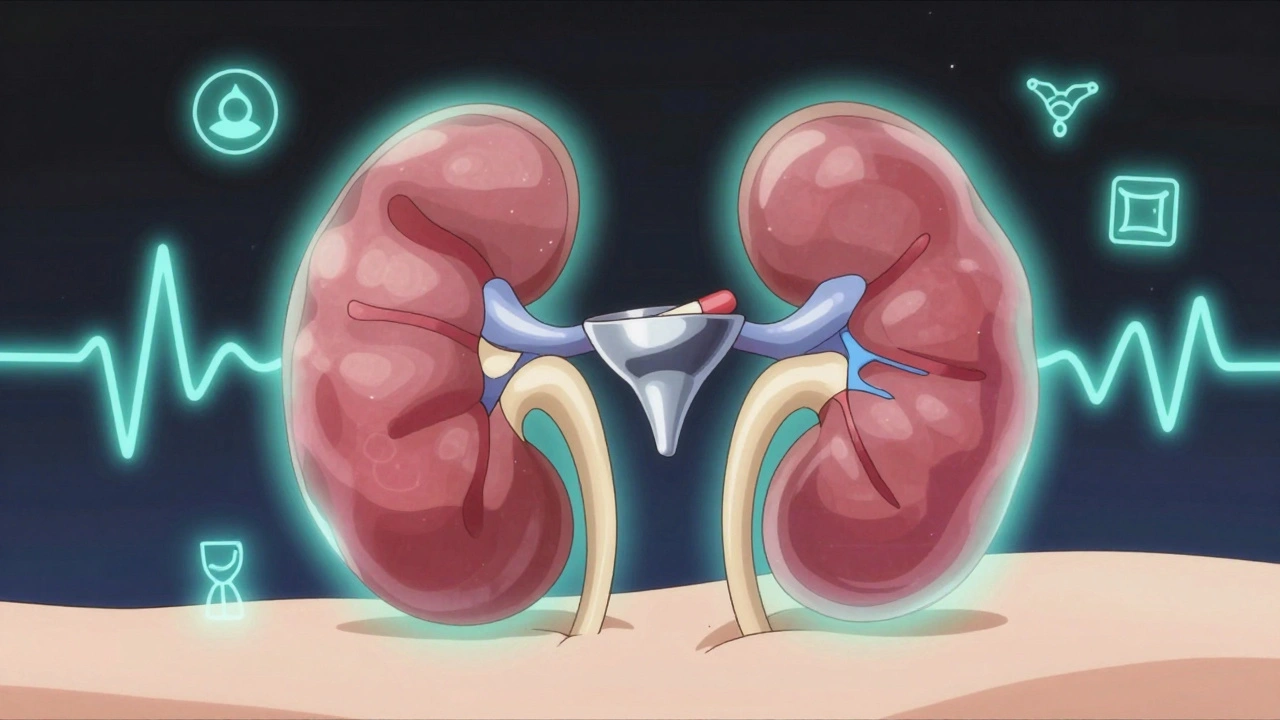
Renal Ultrasound and Imaging: How to Evaluate Kidney Obstruction and Size
Renal ultrasound is the safest, first-line test to check for kidney obstruction and measure kidney size. It detects hydronephrosis, measures resistive index, and avoids radiation-making it essential for diagnosing blockages without harming patients.