One Health: Connecting Human, Animal, and Environmental Wellness
When we talk about One Health, an integrated approach that recognizes the interconnection between human, animal, and environmental health. Also known as One Medicine, it’s not just a buzzword—it’s how real disease prevention works in the real world. You can’t fix a human health crisis without looking at what’s happening in the animals around us and the air, water, and soil we all share. Think about how a bat’s habitat loss leads to viruses jumping to humans, or how farm antibiotics end up in our water and make infections harder to treat. One Health isn’t about silos—it’s about seeing the whole picture.
This approach isn’t theoretical. It’s why public health agencies track bird flu outbreaks in poultry before they hit people. It’s why vets and doctors now work side by side in some hospitals. And it’s why cleaning up polluted rivers isn’t just an environmental issue—it’s a heart disease prevention strategy. Zoonotic diseases, infections that spread between animals and humans like Lyme disease, rabies, and even COVID-19, show how tightly our fates are linked. When livestock get sick from poor feed or dirty water, the risks ripple outward—to the people who handle them, the food they eat, and the communities they live in. Meanwhile, environmental health, the condition of ecosystems that support life affects everything from pollen counts that trigger asthma to toxins in fish that harm developing brains. You can’t manage one without the others.
The posts below aren’t just random health tips—they’re real examples of One Health in action. You’ll find how licorice can mess with blood pressure meds, how noise pollution damages hearing, and why magnesium timing matters for bone drugs. But behind each one is a thread: human health doesn’t exist in a bubble. It’s shaped by what animals are exposed to, what’s in our food and water, and how we treat the planet. Whether you’re managing a chronic condition, caring for an older relative, or just trying to stay healthy, understanding One Health helps you ask better questions, avoid hidden risks, and make smarter choices. What you learn here won’t just help you—it’ll help everyone around you.
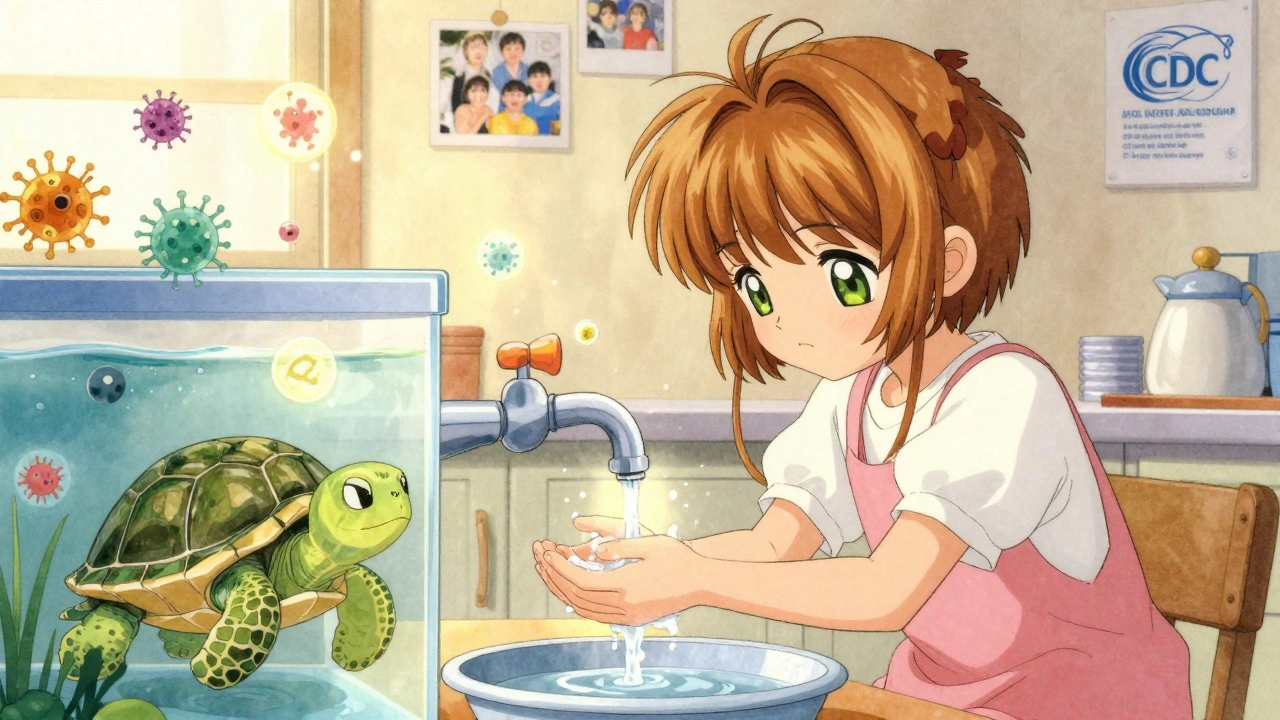
Zoonotic Diseases: How Animal-to-Human Infections Spread and How to Stop Them
Zoonotic diseases jump from animals to humans and cause most emerging infections. Learn how rabies, salmonella, and Lyme disease spread, who’s at risk, and simple steps to protect yourself and your family.