Kidney Size: What’s Normal, What’s Not, and What It Means for Your Health
When doctors talk about kidney size, the physical dimensions of the paired organs that filter waste and regulate fluid balance in your body. Also known as renal size, it’s not just a number on a scan—it’s a clue to how well your body is managing blood pressure, electrolytes, and detox. Most healthy adult kidneys are about 9 to 12 centimeters long, roughly the size of a fist. But size alone doesn’t tell the whole story. A kidney can look small on an ultrasound and still work fine—or appear normal and be failing silently.
What you need to know is that kidney function, how effectively your kidneys filter blood and remove waste doesn’t always match up with kidney size, the physical dimensions of the paired organs that filter waste and regulate fluid balance in your body. For example, in chronic kidney disease, kidneys often shrink over time as scar tissue replaces healthy tissue. But in conditions like polycystic kidney disease, kidneys can grow huge—sometimes weighing over 20 pounds—while still struggling to do their job. Even diabetes and high blood pressure can slowly shrink your kidneys without you noticing until it’s too late.
Age also plays a role. Kidneys naturally get a little smaller as you get older. A 70-year-old’s kidneys might be 10% smaller than a 30-year-old’s, and that’s usually normal. But if one kidney is significantly smaller than the other, or if size changes quickly over months, that’s a red flag. It could mean a blockage, a tumor, or reduced blood flow. And if you’re on long-term medications—like some blood pressure drugs or antibiotics—those can affect kidney size and function too. That’s why regular checkups matter, especially if you’ve got diabetes, high blood pressure, or a family history of kidney problems.
You won’t feel your kidneys shrinking or swelling. There’s no pain, no warning buzz. That’s why imaging tests like ultrasounds or CT scans are so important. They’re the only way to see what’s really going on inside. And when those scans show abnormal size, doctors don’t just look at the numbers—they connect them to your lab results, your symptoms, and your medical history. A small kidney with high creatinine? That’s a signal. A large kidney with normal blood tests? Maybe nothing’s wrong. Context is everything.
What you’ll find in the posts below isn’t a list of textbook definitions. It’s real-world insights from people who’ve been there: how kidney size relates to medication side effects, why some supplements can stress your kidneys, and how conditions like hypertension or diabetes quietly change your organs over time. You’ll see how doctors interpret scans, what to ask if your results seem off, and how to protect your kidneys before damage becomes permanent. No fluff. Just what you need to know to stay ahead of the quiet signs.
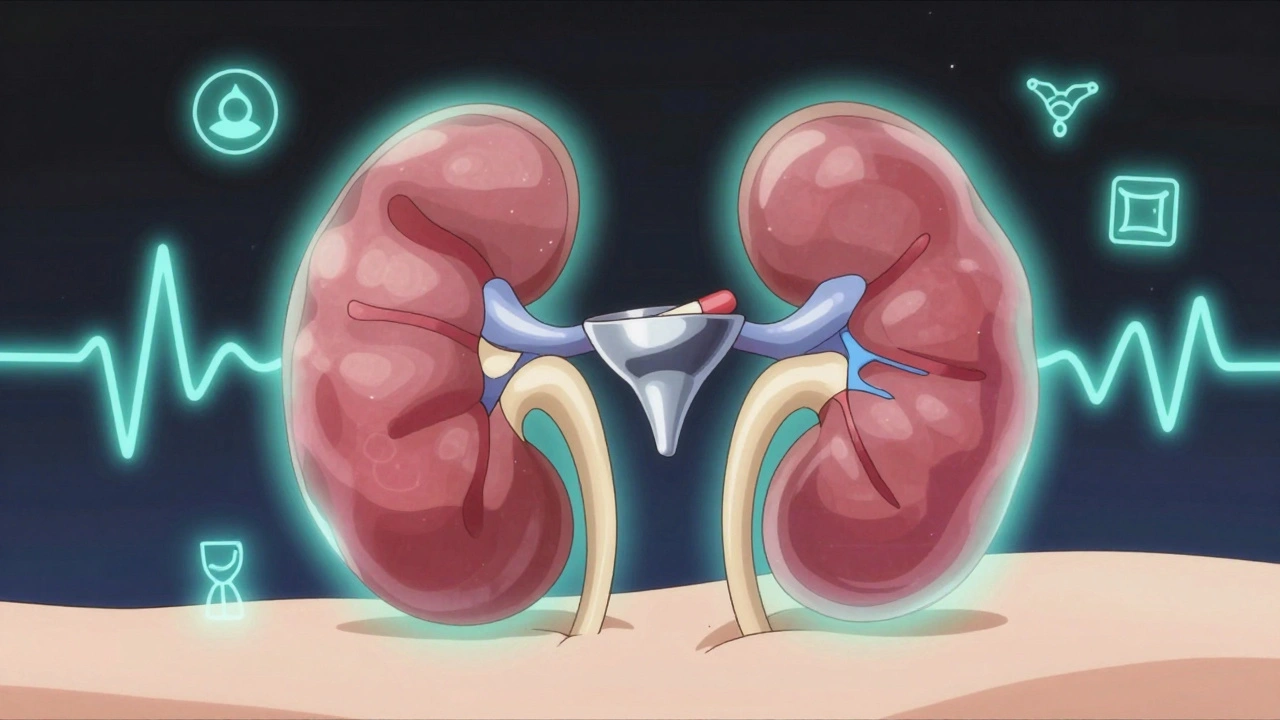
Renal Ultrasound and Imaging: How to Evaluate Kidney Obstruction and Size
Renal ultrasound is the safest, first-line test to check for kidney obstruction and measure kidney size. It detects hydronephrosis, measures resistive index, and avoids radiation-making it essential for diagnosing blockages without harming patients.