Kidney Obstruction: Causes, Symptoms, and What You Need to Know
When the flow of urine gets blocked, it’s called a kidney obstruction, a blockage in the urinary tract that prevents urine from draining properly from the kidney. Also known as urinary tract obstruction, it doesn’t always cause pain right away—but when it does, it can be severe. Left untreated, it can lead to infection, permanent kidney damage, or even kidney failure.
Kidney obstruction often happens because of kidney stones, hard mineral deposits that form in the kidneys and can get stuck in the ureter. These are the most common cause, especially in adults. But it can also come from urinary retention, when the bladder doesn’t empty fully, pushing pressure back into the kidneys. Other causes include tumors, blood clots, or even an enlarged prostate in men. It’s not always obvious—some people feel only mild back pain or notice they’re urinating less. Others might have fever, nausea, or blood in the urine.
One serious result of long-term blockage is hydronephrosis, when the kidney swells because urine backs up inside it. This isn’t a disease itself—it’s a sign something is blocking the flow. Doctors use imaging like ultrasounds or CT scans to spot it. The good news? Most cases can be fixed if caught early. Removing the stone, placing a stent, or draining the kidney often restores normal function.
You might not think of kidney obstruction when you hear about drug interactions or aging medications, but it’s connected. Some medications—like certain anticholinergics or opioids—can slow bladder emptying and raise the risk of urinary retention. Older adults on multiple prescriptions are especially vulnerable. Even something as simple as dehydration can make kidney stones more likely, which then leads to obstruction. That’s why staying hydrated and knowing your medication side effects matters.
What you’ll find here aren’t just medical definitions. These are real stories, clear explanations, and practical advice from people who’ve dealt with this—whether it’s understanding why a stone formed, how to spot early warning signs, or what to ask your doctor when tests come back unclear. You’ll see how kidney obstruction ties into broader health issues, from prostate problems to drug safety. No fluff. Just what you need to protect your kidneys and speak up when something feels off.
Renal Ultrasound and Imaging: How to Evaluate Kidney Obstruction and Size
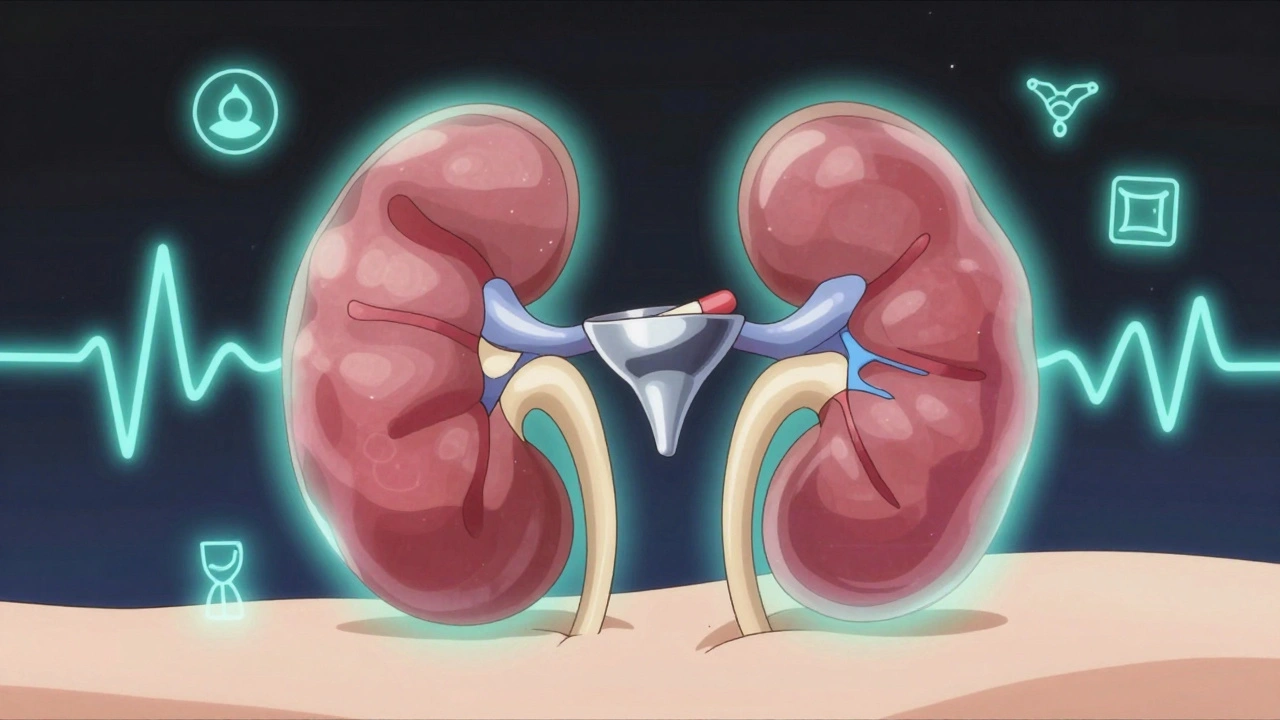
Renal ultrasound is the safest, first-line test to check for kidney obstruction and measure kidney size. It detects hydronephrosis, measures resistive index, and avoids radiation-making it essential for diagnosing blockages without harming patients.