Hydronephrosis: Causes, Risks, and What You Need to Know
When urine can’t drain properly from the kidney, it builds up and stretches the organ—that’s hydronephrosis, a condition where urine backs up into the kidney, causing swelling and potential damage. It’s not a disease itself, but a sign something else is blocking the flow—like a kidney stone, enlarged prostate, or even a tumor. Left untreated, it can hurt kidney function, and in severe cases, lead to permanent damage. You might not feel anything at first, but if you start having flank pain, fever, or trouble urinating, it’s time to get checked.
Hydronephrosis often shows up because of a urinary tract blockage, any obstruction that stops urine from moving from the kidney to the bladder. Common causes include kidney stones, which can get stuck in the ureter, or in men, an enlarged prostate pressing on the urethra. Pregnant women sometimes develop it too, as the growing uterus can squeeze the ureters. Less common causes include nerve damage, blood clots, or even cancer in the bladder, cervix, or colon. It can happen on one side or both, and it’s more common in older adults and people with a history of urinary issues.
Doctors usually spot hydronephrosis through imaging—like an ultrasound, CT scan, or MRI—often done for other reasons. Blood and urine tests help check kidney function and look for signs of infection. If you’re diagnosed, the goal isn’t just to reduce swelling, but to fix what’s causing it. A small stone might pass on its own with fluids and pain relief. Bigger blockages may need a stent placed in the ureter, or surgery to remove the obstruction. If infection’s present, antibiotics are a must. Ignoring it can lead to chronic kidney disease, so early action matters.
People with recurrent kidney stones, prostate problems, or neurological conditions affecting bladder control are at higher risk. If you’ve had hydronephrosis before, staying hydrated, managing underlying conditions, and getting regular checkups can help prevent it from coming back. It’s not something you can treat with supplements or home remedies alone—medical evaluation is key.
Below, you’ll find real-world posts that dig into related issues: how certain medications affect urine flow, what kidney scans reveal, and how drug interactions can worsen urinary problems. These aren’t just general health tips—they’re grounded in the same clinical realities that lead to hydronephrosis. Whether you’re dealing with symptoms or just want to understand your risks, the information here is practical, direct, and built for people who need answers—not jargon.
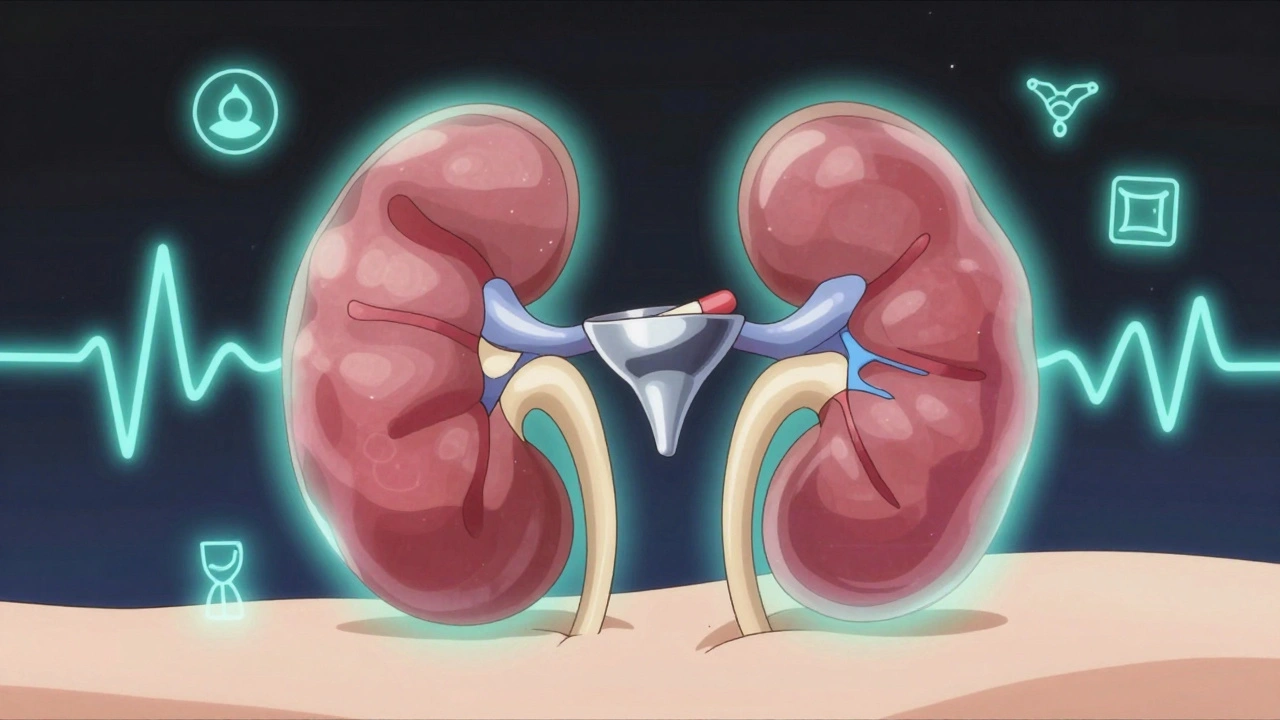
Renal Ultrasound and Imaging: How to Evaluate Kidney Obstruction and Size
Renal ultrasound is the safest, first-line test to check for kidney obstruction and measure kidney size. It detects hydronephrosis, measures resistive index, and avoids radiation-making it essential for diagnosing blockages without harming patients.