Discontinuation Syndrome: What It Is, Why It Happens, and How to Handle It
When you stop taking certain medications, your body doesn’t always adjust smoothly. This can lead to discontinuation syndrome, a set of physical and mental symptoms that occur after abruptly stopping a drug your body has adapted to. Also known as withdrawal syndrome, it’s not the same as addiction—it’s your nervous system reacting to the sudden absence of a substance it’s been relying on. It can happen with antidepressants, benzodiazepines, sleep aids, and even some blood pressure meds. You might feel dizzy, nauseous, or anxious. Some people report brain zaps—sudden electric-shock-like sensations. These aren’t imagined. They’re real, measurable reactions.
Not all drugs cause this, but the ones that do usually affect brain chemicals like serotonin, GABA, or norepinephrine. For example, stopping antidepressants, medications like SSRIs or SNRIs that increase serotonin levels in the brain too fast can trigger flu-like symptoms, insomnia, or mood swings. Same with benzodiazepines, drugs like Xanax or Klonopin used for anxiety or sleep. People often think they’re just "feeling off," but it’s often the body recalibrating without the drug. The key is timing and tapering—not stopping cold turkey.
Discontinuation syndrome doesn’t mean you should never stop these meds. It means you need a plan. Many patients are told to "just stop" without guidance, and that’s where problems start. Doctors now know that slow, controlled reductions—sometimes over weeks or months—can prevent most symptoms. It’s not about fear. It’s about smart transitions. If you’re on any of these drugs and thinking about stopping, don’t guess. Talk to your provider. Ask about tapering schedules. Check if your medication has known withdrawal risks. The posts below cover real cases: how people handled withdrawal from antidepressants, what happened when someone quit a sleep aid too fast, and how to recognize early signs before they turn into something worse. You’ll find practical advice on managing symptoms, which drugs are riskiest, and how to work with your doctor to make the process safer.
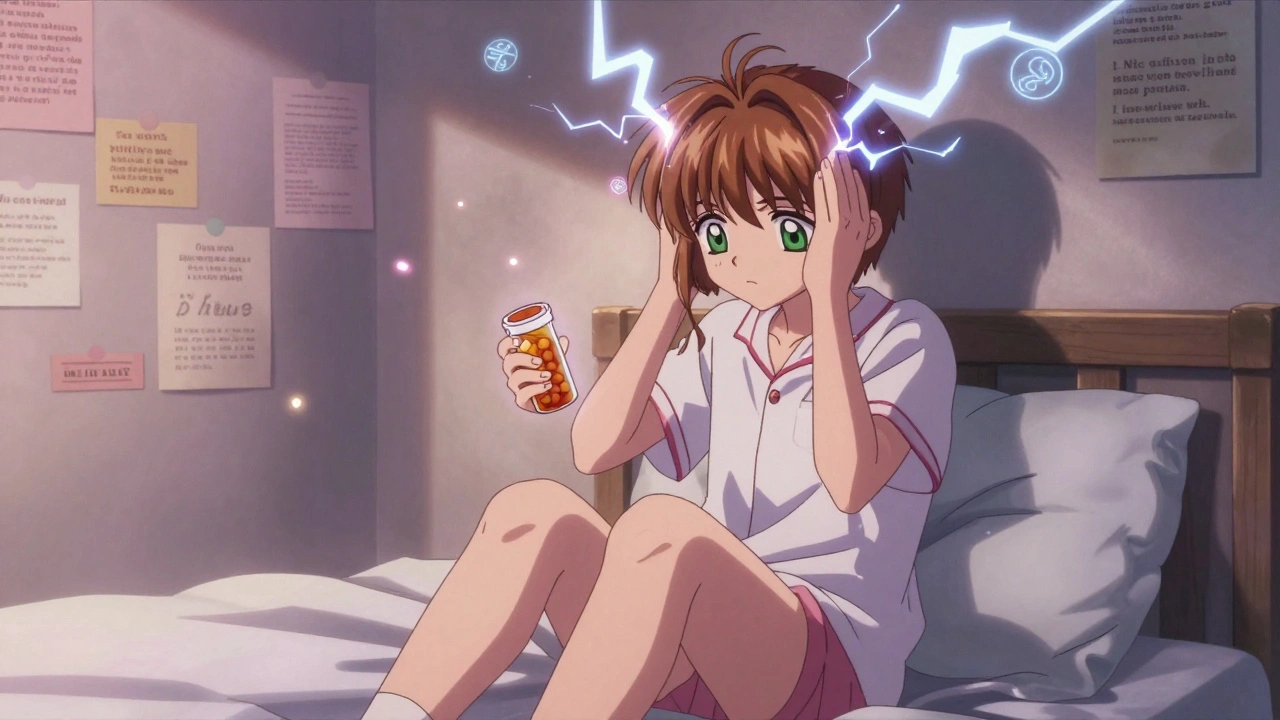
Antidepressant Discontinuation Syndrome: What It Is and How to Manage It Safely
Antidepressant discontinuation syndrome causes real physical symptoms like brain zaps, dizziness, and nausea when stopping medication too quickly. Learn how to taper safely, recognize warning signs, and avoid misdiagnosis.