Brain Zaps: What They Are, Why They Happen, and What to Do
When people stop taking antidepressants too quickly, some report a strange feeling—like a brief electric shock in their head. This is called brain zaps, sudden, brief electrical-like sensations in the head that often occur during medication withdrawal. Also known as antidepressant discontinuation syndrome, it’s not a myth, not a coincidence, and not all in your head—it’s a real, documented reaction tied to how your brain adjusts after years of chemical balance. These aren’t seizures. They’re not strokes. But they’re unsettling enough to make people fear the worst. And while they’re usually harmless, they can be frequent, loud in their discomfort, and enough to push someone back onto medication they were trying to leave.
Brain zaps most often show up after stopping SSRIs, selective serotonin reuptake inhibitors, a common class of antidepressants including sertraline, fluoxetine, and escitalopram, or SNRIs, serotonin-norepinephrine reuptake inhibitors like venlafaxine and duloxetine. The faster you stop, the worse it tends to be. That’s why doctors push for slow tapering—it’s not just caution, it’s science. A 2019 study in the Journal of Clinical Psychiatry found that over 50% of people who quit SSRIs abruptly experienced withdrawal symptoms, and brain zaps were among the top three. It’s not about addiction. It’s about your brain rewiring itself after relying on a drug to regulate mood signals for months or years.
These sensations aren’t just in your head—they can come with dizziness, nausea, trouble sleeping, or even a buzzing in your ears. Some people feel them when they move their eyes quickly. Others say it’s like a zap behind the forehead, or a ripple running from the top of the skull down the neck. They last seconds, but the fear of the next one can make days feel endless. The good news? They fade. Most people see them disappear within weeks if they stop abruptly, or within days if they taper properly. And if you’re on medication and thinking of quitting, you don’t have to guess your way through this. The posts below cover real cases, doctor-backed tapering plans, what supplements might help (and which ones won’t), and how to tell if what you’re feeling is brain zaps—or something else entirely.
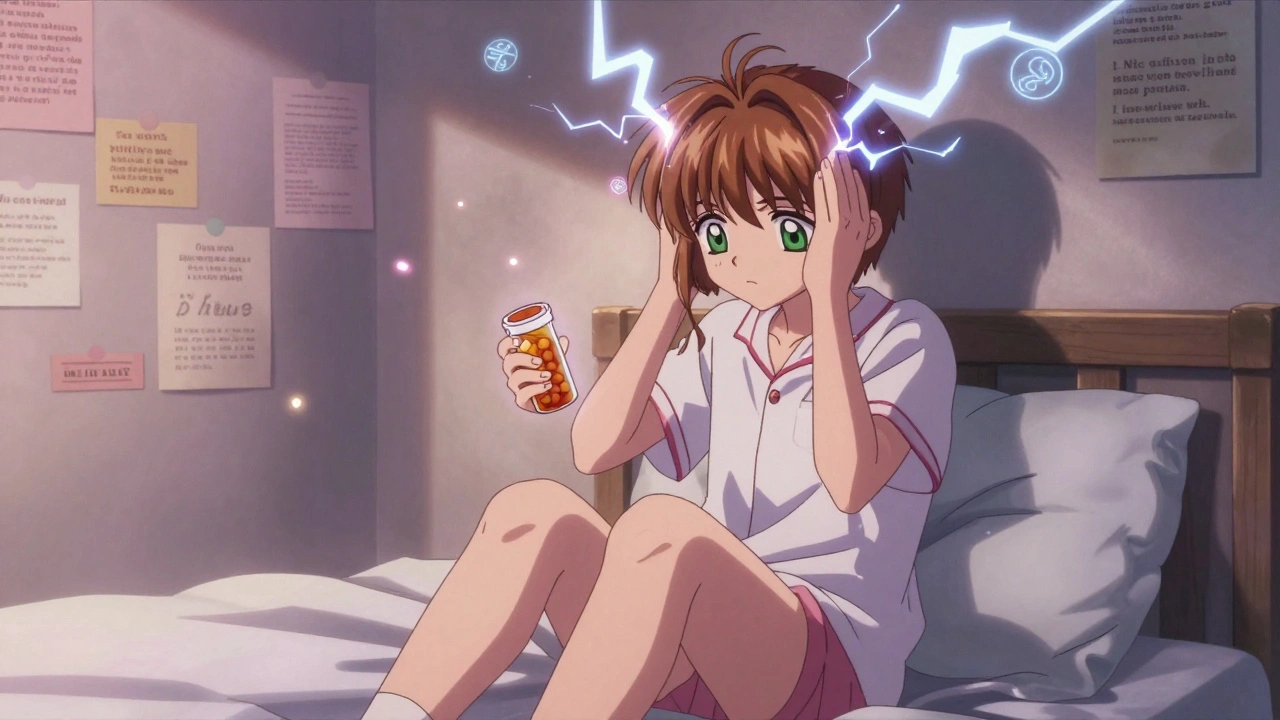
Antidepressant Discontinuation Syndrome: What It Is and How to Manage It Safely
Antidepressant discontinuation syndrome causes real physical symptoms like brain zaps, dizziness, and nausea when stopping medication too quickly. Learn how to taper safely, recognize warning signs, and avoid misdiagnosis.