Animal-to-Human Transmission: How Diseases Jump Species and What It Means for You
When a disease moves from an animal to a human, it’s called animal-to-human transmission, the process by which pathogens like viruses or bacteria spread from non-human animals to people. Also known as zoonotic spillover, this is how many of the world’s most dangerous outbreaks start — from Ebola to COVID-19, bird flu to Lyme disease. It’s not some rare event you’ll never see. It happens more often than you think, especially as humans push deeper into wild areas, farm more animals, and change the planet’s ecosystems.
This isn’t just about wild animals biting people. It’s about zoonotic diseases, infections that naturally spread between animals and humans hiding in plain sight. A bat in a cave, a rodent in your attic, a chicken on a farm, even your pet dog — any of them can carry something that doesn’t belong in your body. The pathogen doesn’t care if it’s new to you. It just needs a way in: through a bite, contaminated food, dirty water, or even the air you breathe. And once it jumps, it can spread fast — especially if no one recognizes it early.
What makes this even more urgent is how disease spillover, the moment a pathogen crosses from an animal host into a human is getting easier. Deforestation, climate change, and intensive animal farming are breaking down natural barriers. Animals that once stayed away from people are now living closer. Markets selling live wildlife, poor sanitation near livestock, and lack of animal health monitoring all increase the risk. You don’t need to be a scientist to see this: when animals are stressed, crowded, and forced into unnatural spaces, germs spread more easily — and they’re more likely to find a human host.
Some of the most common examples you’ve probably heard of — rabies from dogs, salmonella from eggs, hantavirus from mice — are all results of animal-to-human transmission. But the bigger threats are the ones we don’t see coming. A virus that kills 5% of people in one country could become a global crisis if it adapts to spread between humans. That’s why tracking these jumps matters. It’s not just about stopping outbreaks. It’s about predicting them.
The posts below dig into real-world cases where animal-to-human transmission led to serious health risks — and what was done to stop them. You’ll find stories about how food safety mistakes led to outbreaks, how livestock practices increased infection risks, and why some medications can interact dangerously with animals or animal products. You’ll also learn how to protect yourself without living in fear — because understanding the risk is the first step to staying safe.
Zoonotic Diseases: How Animal-to-Human Infections Spread and How to Stop Them
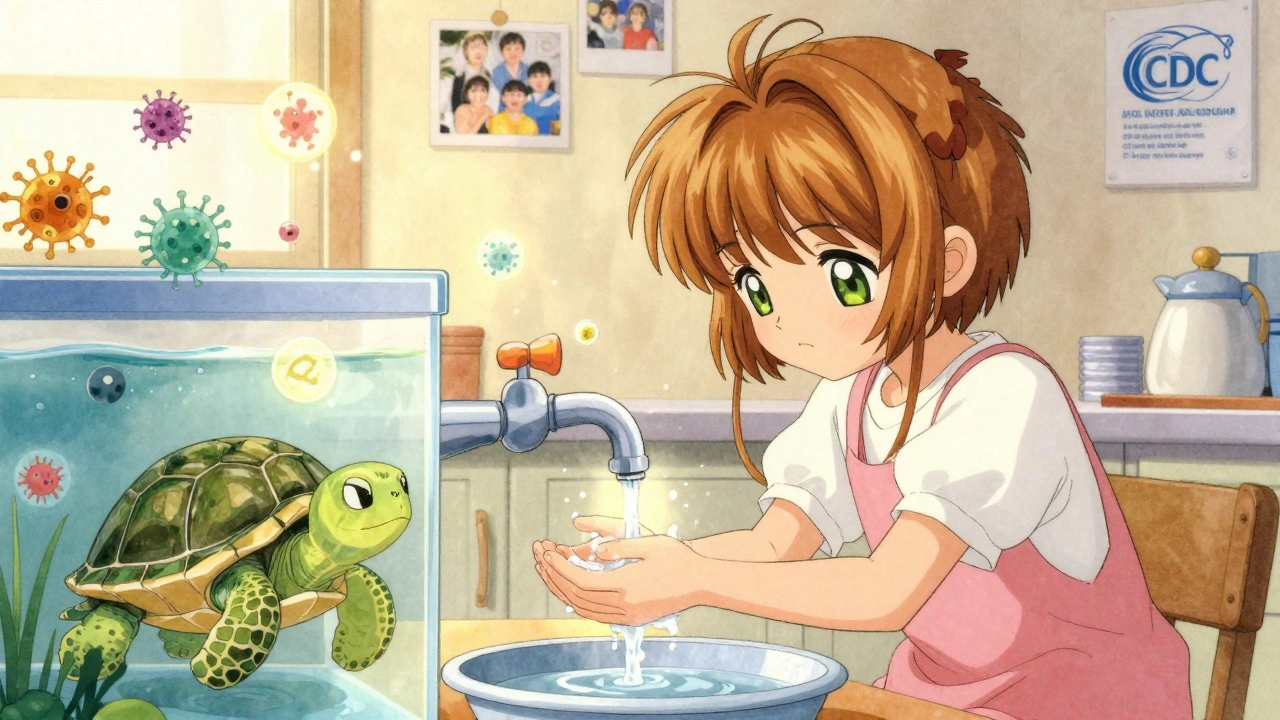
Zoonotic diseases jump from animals to humans and cause most emerging infections. Learn how rabies, salmonella, and Lyme disease spread, who’s at risk, and simple steps to protect yourself and your family.