Medication Safety and Health Insights from November 2025
When it comes to your health, medication safety, the practice of using drugs correctly to avoid harm while maximizing benefit. Also known as drug safety, it’s not just about taking pills on time—it’s about understanding how they interact, who they affect, and why some seem to work better than others. This month’s posts dug deep into real-world problems: older adults on too many pills, drivers banned from certain meds, and even how your brain tricks you into making bad choices about treatment. These aren’t theoretical concerns—they’re daily risks for millions.
One major theme? generic drugs, lower-cost versions of brand-name medicines that must meet the same FDA standards for safety and effectiveness. Also known as authorized generics, they’re not all the same—some are made in the same factory as the brand name, others aren’t. The FDA Office of Generic Drugs, the division responsible for reviewing and approving every generic drug in the U.S. makes sure they’re safe, but you still need to know how to pick the right one. And when it comes to osteoporosis treatment, using drugs like alendronate to strengthen bones and prevent fractures, timing matters. Take calcium or magnesium at the wrong time, and the whole treatment fails. That’s not guesswork—it’s science with clear rules.
Then there’s the hidden stuff: how cognitive biases, mental shortcuts that lead to flawed decisions make you ignore warning signs or stick with a drug that’s not working. Or how drug interactions, when two or more medications affect each other’s behavior in your body can turn a harmless pill into a fall risk. One post showed how a common allergy med like Benadryl can send seniors tumbling. Another revealed that expired pills might still be safe—but not always. And if you’re on blood pressure meds, diabetes drugs, or anything for chronic pain, the support groups mentioned here aren’t just nice to have—they cut hospital visits by up to 30%.
November’s collection doesn’t just list facts. It shows you how to connect the dots: between your bones and your vitamins, your driving license and your prescriptions, your wallet and your health. Whether you’re managing your own meds, helping an aging parent, or just trying to understand why your doctor changed your pill schedule, this archive gives you the tools to ask better questions and spot red flags before they become emergencies.
Below, you’ll find 18 detailed guides—each one written to cut through the noise and give you exactly what you need to stay safe, save money, and take control of your health.
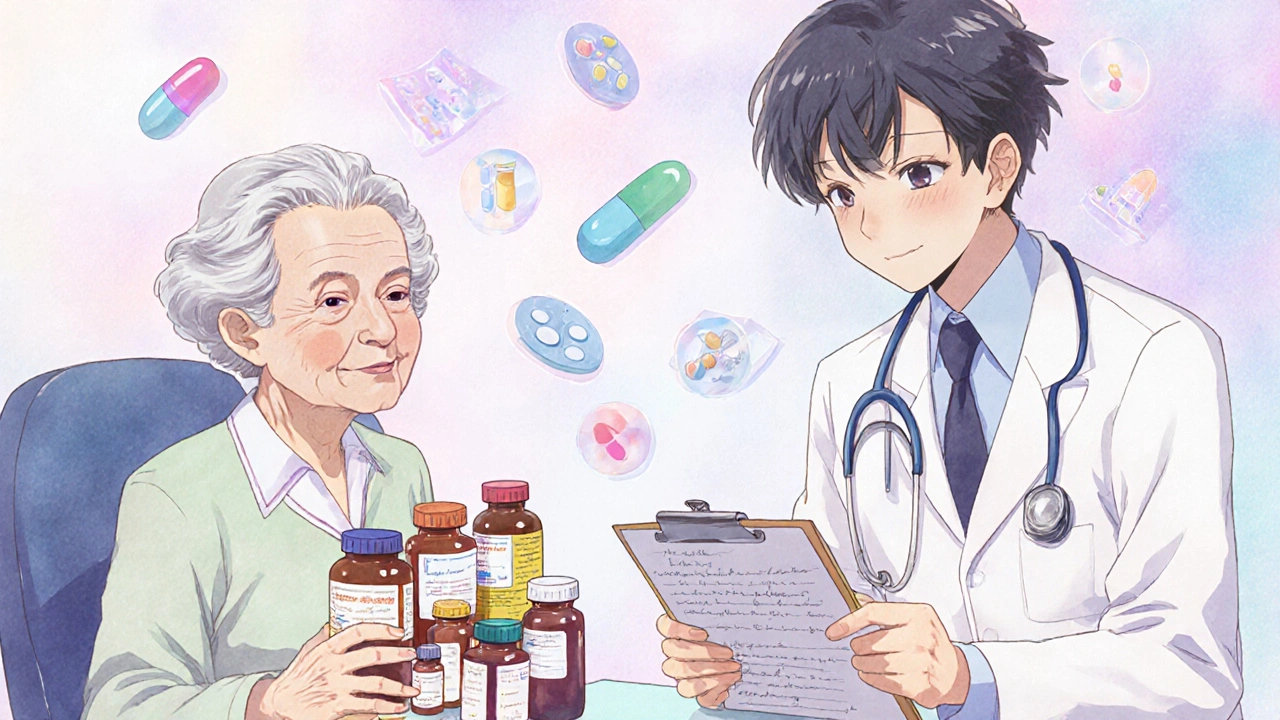
How to Talk to Doctors About Senior Medications: A Clear Guide for Patients and Caregivers
Learn how to communicate clearly with doctors about senior medications to avoid dangerous side effects, reduce unnecessary pills, and stay healthier longer. Practical steps for patients and caregivers.

Patent Law and Generics: How Patents Protect Innovation in Pharmaceuticals
Patent law in pharmaceuticals balances innovation and affordability. The Hatch-Waxman Act lets generics enter after patents expire, slashing drug prices by up to 90% while protecting billions in R&D investment.
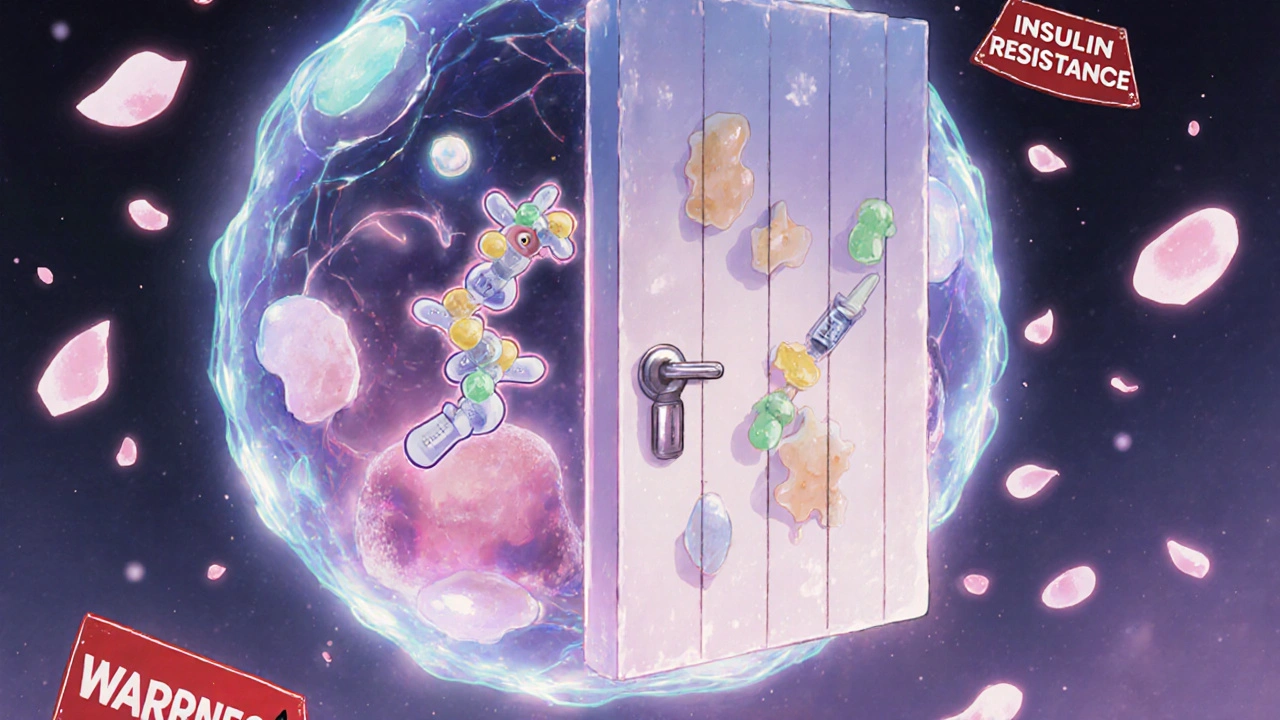
Type 2 Diabetes: Understanding Insulin Resistance and Metabolic Syndrome
Type 2 diabetes is driven by insulin resistance and metabolic syndrome-two silent conditions that develop years before diagnosis. Learn how they connect, what actually causes them, and how to reverse them with science-backed lifestyle changes.

Cognitive Biases: How Your Beliefs Shape What You Say and Do
Cognitive biases shape how you respond to information, often without you realizing it. From medical errors to financial losses, these mental shortcuts distort judgment - but awareness and simple practices can help you think more clearly.
What Are Authorized Generics? Complete Explanation
Authorized generics are identical to brand-name drugs but sold without the brand label. They offer lower prices with the same ingredients, manufacturing, and effectiveness. Learn how they work, why they exist, and how they differ from traditional generics.

Magnesium Supplements and Osteoporosis Medications: What You Need to Know About Timing
Magnesium supplements can block the absorption of osteoporosis medications like Fosamax. Learn the exact 2-hour timing rule to protect your bone density and avoid treatment failure.

Noise-Induced Hearing Loss: How Workplace Noise Damages Hearing and How to Stop It
Noise-induced hearing loss is preventable-but only if workplaces take real action. Learn how loud noise damages hearing, why earplugs alone aren't enough, and what employers and workers can do to stop it before it's too late.

Brain MRI Basics: Understanding Common Neurological Findings
Learn how brain MRI works, what the key sequences show, and how doctors interpret common neurological findings like strokes, MS plaques, and silent lesions. Understand when MRI is needed-and when it’s not.

The Economics of Ivermectin: Cost-Effectiveness and Affordability in Global Health
Ivermectin costs just pennies per dose but saves millions of lives in low-income countries. Learn how its affordability and effectiveness make it one of the most powerful tools in global health.

Why Calcium and Vitamin D Are Essential with Alendronate Therapy
Calcium and vitamin D are essential for alendronate to work effectively in treating osteoporosis. Without them, bone density won’t improve, and fracture risk stays high. Learn how to take them safely and avoid common mistakes.
- 1
- 2