Prediabetes: What It Is, How It Progresses, and How to Stop It
When your blood sugar is higher than normal but not high enough to be called prediabetes, a condition where the body starts to struggle with managing glucose, often before type 2 diabetes develops. It's also known as impaired glucose tolerance, and it’s not a sentence—it’s a warning sign you can act on. Most people with prediabetes don’t feel anything. No tingling, no extreme thirst, no weight loss. That’s why nearly 80% of them don’t know they have it. But the damage is already starting: your cells are becoming resistant to insulin, your pancreas is working overtime, and your body is slowly losing its ability to keep blood sugar in check.
Prediabetes doesn’t happen because you ate too much sugar. It happens because of a mix of factors—being overweight, especially around the belly, not moving enough, sleeping poorly, or having a family history. It’s not about willpower. It’s about biology. And the good news? It’s reversible. Studies from the CDC show that losing just 5 to 7% of your body weight and getting 150 minutes of walking a week cuts your risk of developing type 2 diabetes by more than half. That’s not a miracle. That’s math. And it works. You don’t need a diet plan with 50 ingredients. You need to move more, eat real food, and sleep better. Simple. Not easy. But simple.
Insulin resistance is the hidden driver behind prediabetes. When your cells stop responding to insulin, your body pumps out more of it to compensate. Over time, your pancreas can’t keep up. That’s when blood sugar climbs. And once it crosses into diabetes territory, the damage to your nerves, kidneys, and heart starts accelerating. But at the prediabetes stage, your body still has the power to heal itself—if you give it the right conditions. Medications like metformin can help, but they’re not the first line. Lifestyle is. And it’s cheaper, safer, and more effective.
What you’ll find in these posts isn’t theory. It’s what people actually use. From how prediabetes connects to sleep and stress, to how certain medications affect blood sugar, to how community support helps people stick with changes that last. You’ll see real strategies—not fluff. No magic pills. No detoxes. Just clear, science-backed steps that work when you’re tired, busy, or overwhelmed. This isn’t about becoming perfect. It’s about making small, consistent moves that add up. Your future self will thank you.
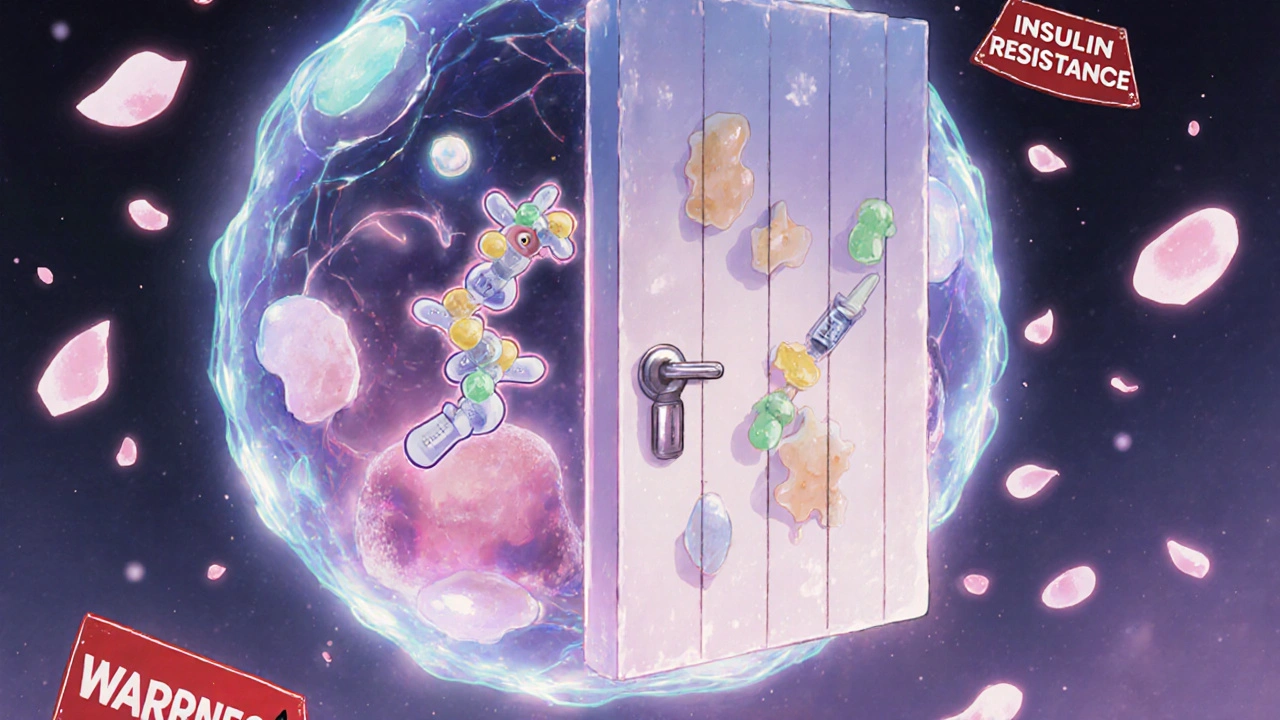
Type 2 Diabetes: Understanding Insulin Resistance and Metabolic Syndrome
Type 2 diabetes is driven by insulin resistance and metabolic syndrome-two silent conditions that develop years before diagnosis. Learn how they connect, what actually causes them, and how to reverse them with science-backed lifestyle changes.