IV Ketamine vs Esketamine: What You Need to Know About These Depression Treatments
When standard antidepressants don’t work, IV ketamine, a fast-acting anesthetic repurposed for severe depression. Also known as ketamine infusion therapy, it’s now used in clinics across the U.S. for people who haven’t responded to years of other treatments. Esketamine, a nasal spray version derived from ketamine and approved by the FDA in 2019. Also known as Spravato, it’s designed for use under medical supervision and offers a more controlled way to deliver the same class of drug. Both target the brain’s glutamate system, not serotonin like SSRIs, which is why they can work when other meds fail.
Here’s the real difference: IV ketamine is given through an IV drip over 40 to 60 minutes, usually in a clinic or doctor’s office. Patients often feel relief within hours—sometimes even after the first session. But it’s not FDA-approved for depression; it’s used off-label, which means clinics set their own protocols and prices, often running $400 to $800 per session. Esketamine, on the other hand, is a nasal spray you administer yourself under a doctor’s watch. It’s covered by most insurance, costs less per dose over time, and comes with strict safety rules because of its potential for misuse. You can’t take it home. You have to stay for two hours after each dose, monitored for side effects like dizziness or high blood pressure.
Neither is a cure. Both require ongoing sessions—typically weekly at first, then spaced out. IV ketamine often needs 6 to 12 sessions to see lasting results. Esketamine follows a fixed schedule: twice a week for four weeks, then once a week, then every other week. Some patients respond better to one than the other, and no one knows why yet. Studies show both can reduce suicidal thoughts faster than traditional drugs, which is life-saving for people in crisis. But they’re not for everyone. People with uncontrolled high blood pressure, a history of psychosis, or substance abuse are usually turned away.
What you won’t find in ads is this: IV ketamine clinics vary wildly in quality. Some are run by experienced anesthesiologists. Others are pop-up wellness centers with little medical oversight. Esketamine, because it’s FDA-approved, comes with standardized training for providers and mandatory risk management plans. That doesn’t mean it’s perfect—but it does mean there’s a system behind it. If you’re considering either option, ask: Who’s giving it? What’s their experience? Are they tracking your progress with validated scales?
Behind both treatments is a growing body of research showing that depression isn’t always about chemical imbalance—it’s about brain connectivity. Ketamine and esketamine seem to help the brain rewire itself, opening a window where therapy and lifestyle changes can stick. That’s why many doctors pair these treatments with counseling. It’s not just about the drug. It’s about what you do after the infusion or spray.
Below, you’ll find real-world insights from patients and providers on how these treatments actually work, what side effects to expect, how to spot a good clinic, and why some people walk away feeling better—while others don’t. This isn’t marketing. It’s what happens when science meets real life.
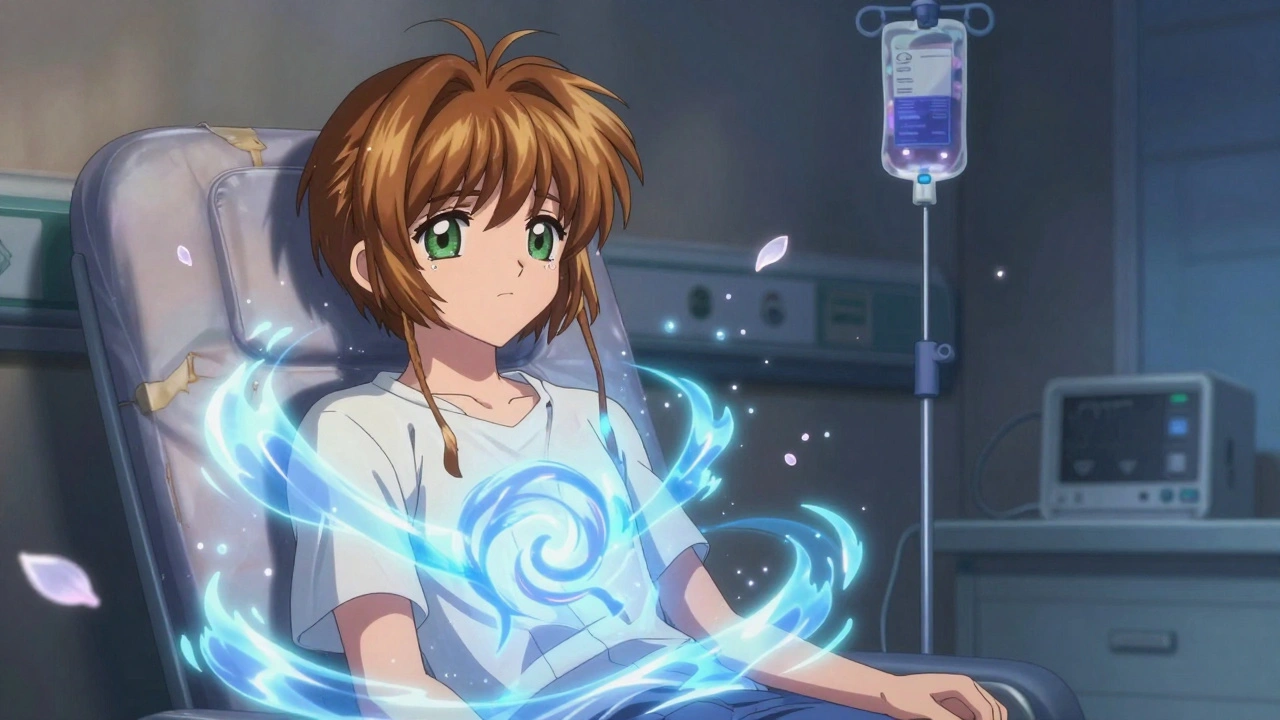
Ketamine and Esketamine: Rapid-Acting Options for Depression
Ketamine and esketamine offer rapid relief for treatment-resistant depression, with IV ketamine showing stronger effects and esketamine offering a gentler, more convenient option. Learn how they compare in efficacy, safety, cost, and access.