
When to Seek Emergency Care: Medication Red Flags and Warning Signs
You start a new prescription, and a few hours later, you feel "off." Maybe it's a bit of itching or a weird feeling in your chest. You might tell yourself it's just a mild side effect and decide to sleep it off. But here is the scary part: medication red flags can escalate from a mild annoyance to a life-threatening crisis in minutes. In the U.S. alone, adverse drug reactions are the fourth leading cause of death, claiming over 106,000 lives every year. The difference between a quick recovery and a tragedy often comes down to whether you recognize the warning signs before they peak.
Many people struggle to tell the difference between an expected side effect-like the mild nausea that comes with some antibiotics-and a dangerous reaction that requires an immediate trip to the ER. The problem is that serious reactions often mimic other common issues. Anaphylaxis is frequently mistaken for a panic attack or an asthma flare-up, which delays the administration of life-saving epinephrine. To keep yourself safe, you need a clear mental checklist of what constitutes a "red flag."
The Immediate Danger Zone: Anaphylaxis and Severe Allergies
When your immune system overreacts to a drug, it can trigger Anaphylaxis is a severe, potentially life-threatening systemic allergic reaction that can cause shock to the system. This isn't just a few hives; it's a total body emergency. If you notice any of the following, call emergency services (like 911) immediately:
- Difficulty breathing or noisy, wheezing breaths.
- Swelling of the lips, tongue, or throat that makes it hard to swallow.
- Cyanosis, which is when your lips or tongue start turning a bluish tint due to lack of oxygen.
- A widespread, rapidly spreading rash across your body.
- A sudden drop in blood pressure leading to collapse or loss of consciousness.
Beyond the "classic" allergic reaction, there are rarer but devastating skin reactions. Stevens-Johnson Syndrome (SJS) is a rare, serious disorder of the skin and mucous membranes that begins with flu-like symptoms followed by a painful purple or red rash that spreads and blisters. If you see painful skin blistering or peeling, especially around the mouth, eyes, or genitals, do not wait for a scheduled appointment. This requires immediate hospitalization to prevent permanent organ damage.
Vital Sign Red Flags: The Numbers That Matter
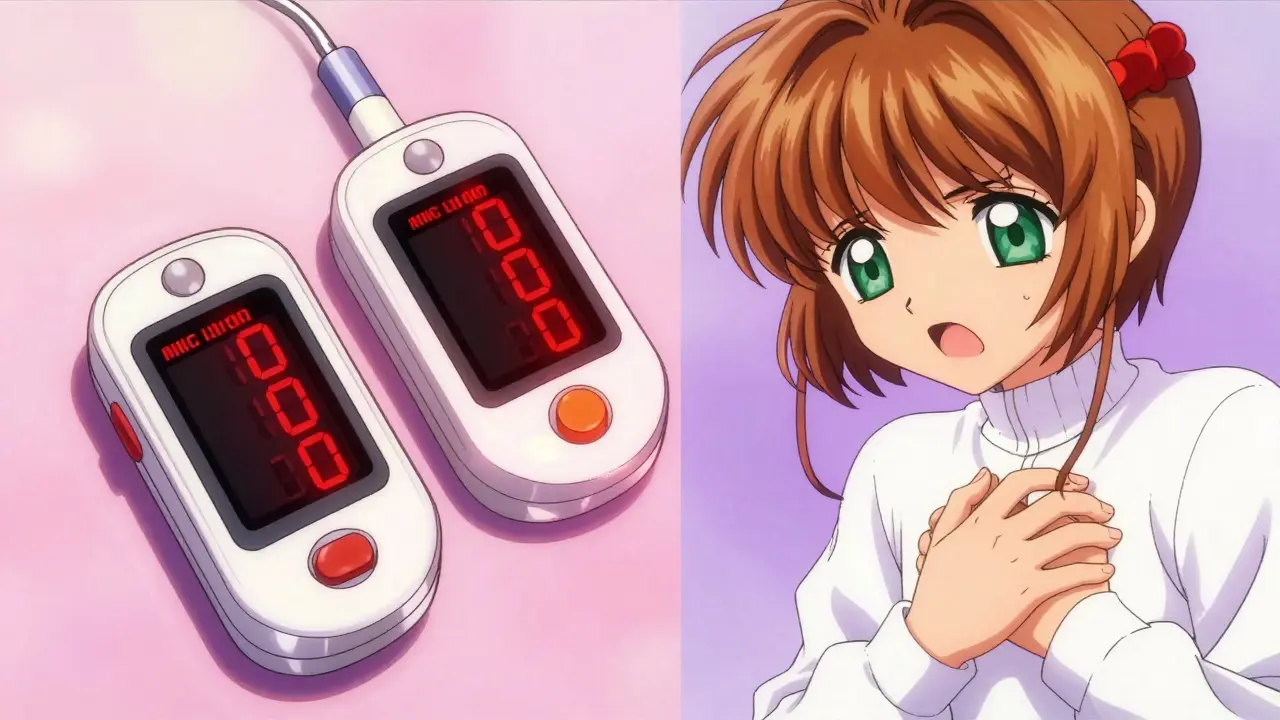
Sometimes you might not "feel" a crisis until it's too late, which is why monitoring your vitals is crucial if you're starting a high-risk medication. While you don't need to be a nurse, knowing these thresholds can save your life. If your readings hit these marks, you are in the red zone:
| Vital Sign | Emergency Threshold (Red Flag) | Associated Warning Symptoms |
|---|---|---|
| Temperature | 102°F (38.9°C) or higher | Chills, extreme fatigue, confusion |
| Respiratory Rate | Over 22 breaths per minute | Shortness of breath, gasping |
| Pulse Rate | Below 50 or above 110 bpm | Chest pain, dizziness, palpitations |
| Oxygen (SPO2) | Less than 94% on room air | Blue lips, extreme air hunger |
| Blood Pressure | Systolic >180 or <90 mmHg | Slurred speech, unilateral weakness, severe headache |
It is important to note the context of these numbers. For instance, a blood pressure reading of 185/110 might be scary, but if you have a splitting headache and slurred speech, it's a hypertensive emergency. If you have no symptoms, it's still urgent, but not necessarily an "ER right this second" crisis. However, when in doubt, the safest bet is always the emergency room.
The Hidden Danger of Drug Interactions
Not every emergency is an allergy. In fact, about 90% of Adverse Drug Reactions (ADRs) are unintended and harmful responses to a medication that occur at normal doses. These often happen because two or more substances are fighting for control in your body.
One of the most dangerous combinations involves blood thinners. If you are taking Warfarin, adding a common over-the-counter NSAID like ibuprofen or naproxen can increase your bleeding risk by roughly 50%. If you notice bruising that appears for no reason, blood in your stool, or a nosebleed that won't stop, your medication levels may have reached a toxic state.
Even "natural" supplements can be triggers. St. John's Wort is a common herbal remedy for mood, but it can dangerously interact with various prescription drugs, effectively "turning off" the medication and leaving your condition untreated, or causing a toxic buildup. If you are taking three or more medications daily, your risk for these interactions spikes significantly.
Timing and Patterns: When to Panic
The clock is a huge indicator of risk. Data from the FDA shows that roughly 68% of severe reactions happen within the first 72 hours of starting a new drug or changing a dose. This is your highest-risk window. If you experience a new, strange symptom during these first three days, treat it with high suspicion.
Watch out for "mimic" symptoms. A patient might experience sudden severe abdominal pain and dizziness, and think it's just a side effect of a new medication. In reality, it could be an abdominal aortic aneurysm. The danger is that we attribute the symptom to the pill and ignore the actual medical crisis. If a symptom feels "out of character" for a typical side effect-such as sudden weakness on one side of the body or a crushing sensation in the chest-don't assume it's just the medicine.
Creating Your Medication Safety Plan
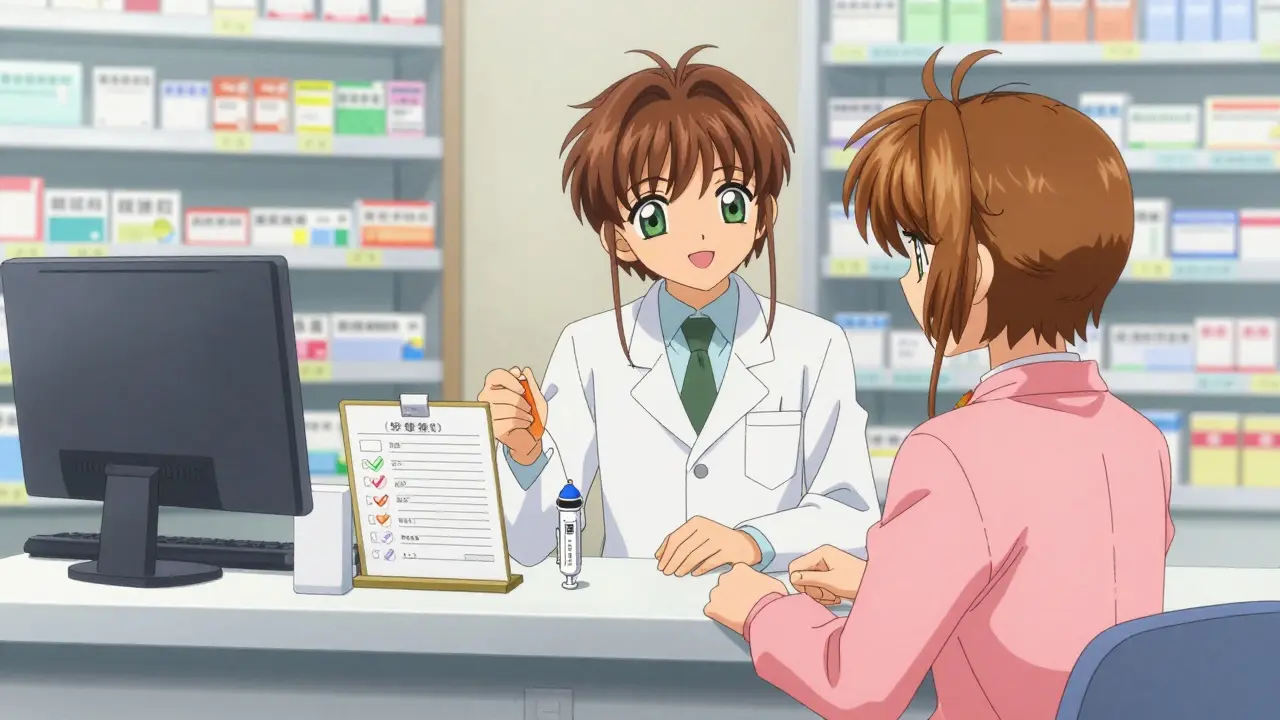
You shouldn't be guessing in the middle of a crisis. A solid safety plan removes the hesitation. Start by doing a full medication reconciliation. This means listing everything: prescriptions, over-the-counter meds, and those supplements from the health food store. Once you have the list, ask your pharmacist or doctor three specific questions for every new drug:
- "What are the three most dangerous red flags I should look for with this specific drug?"
- "Which of these symptoms mean I should call you, and which mean I should call 911?"
- "How long should it take for a normal side effect to go away before it becomes a concern?"
If you have a known severe allergy, ensure you have an epinephrine auto-injector on hand. About 89% of survivors of anaphylaxis credit the immediate self-administration of epinephrine with saving their lives. Waiting for the ambulance to arrive is often too long; the drug needs to be in your system within minutes to stop the throat from closing.
What is the difference between a side effect and an adverse reaction?
A side effect is typically a known, predictable, and often mild effect of a drug, such as dry mouth or slight drowsiness. An adverse drug reaction (ADR) is an unintended and harmful response. While some side effects are annoying, ADRs can be life-threatening and require medical intervention to prevent permanent damage or death.
How quickly do serious medication reactions usually occur?
While some reactions take weeks to develop, a significant majority-about 68%-of severe reactions occur within the first 72 hours after starting a new medication or adjusting a dose. This window is the most critical time for monitoring your symptoms.
Can herbal supplements cause emergency reactions?
Yes. Herbal supplements are not regulated the same way as pharmaceuticals, but they contain active compounds. For example, St. John's Wort can interact with prescriptions to either reduce their effectiveness or cause dangerous toxicity. Always disclose all supplements to your provider.
What should I do if I suspect a drug interaction but don't feel 'sick' yet?
Contact your pharmacist or doctor immediately for a medication review. Many interactions, such as those increasing the INR levels in patients on anticoagulants, can create a stroke or hemorrhage risk before you feel physical symptoms. Early detection through a professional review is key.
Why is it dangerous to wait and see if an allergic reaction improves?
Allergic reactions, especially anaphylaxis, can progress rapidly. A patient may start with a simple itch or rash, but the airway can swell shut within a very short window. Waiting even a few hours can move you from a treatable situation to a respiratory failure emergency.
Next Steps for Your Safety
If you are currently taking multiple medications (polypharmacy), you are at a much higher risk-potentially 300% higher-for severe reactions. Your next move should be to schedule a Medication Therapy Management (MTM) session with your pharmacist. They can screen for clinically significant interactions and help you identify the exact "red flags" specific to your drug cocktail.
For those who have experienced a reaction, report it to the FDA's MedWatch program. Reporting not only helps you document your medical history but contributes to a global database that helps regulators identify dangerous drug patterns faster, potentially saving others from the same experience.

Mark Zhang
It's so important to have a support system when starting a scary new medication. I've seen so many people struggle alone with these side effects, and just having a checklist can make the world of difference in staying calm and safe.
Jenna Carpenter
yall really trustin these pharma pills blindly?? its crazy. you gotta listen to your body not a piece of paper from a doctor who spent 5 minuts with u 🙄
Brian Shiroma
Oh sure, because the best way to handle a medical crisis is to "listen to your body" while your throat is closing up. Truly revolutionary advice here.
Hudson Nascimento Santos
The duality of modern medicine is fascinating. We've reached a peak where we can cure the incurable, yet the very tools of our salvation carry the seeds of our destruction. It makes me wonder if we are simply trading one form of fragility for another. When we outsource our biological intuition to a chemical compound, we essentially enter a contract with an unknown entity. The 'red flags' mentioned are essentially the terms and conditions of that contract. If we ignore them, we aren't just risking our health, we are ignoring the fundamental reality of our chemistry. I find it poignant that we need a manual just to survive the things meant to save us. It speaks to the precarious balance of human existence in a technological age. We seek immortality or longevity, but the cost is a hyper-vigilance that would have been alien to our ancestors. They feared the tiger; we fear the pill. Both can kill you in minutes, but only one comes with a prescription and a glossy brochure. It's a strange trade-off for progress.
sophia alex
Imagine living in a country where you actually have to worry about your meds being toxic 💅 American healthcare is literally a circus but at least we have the best ERs in the world! Period! 🇺🇸✨
simran kaur
The FDA mentioning "global databases" is such a joke. They just want to track how the drugs are affecting the population so they can adjust the dosages for maximum profit. These "red flags" are just there to cover their legal backsides so you can't sue them when the drug causes SJS. Anyone who thinks the government actually cares about "saving others" is living in a fantasy land. It's all about control and keeping us dependent on the system. Just follow the money and you'll see why these warnings are written in a way that makes you panic and run back to the pharmacy for a "safer" alternative that costs twice as much.
Rachelle Z
Omg, so we just trust a chart on the internet now??? 🌈✨ Love the energy here!!!! I'm sure everyone's heart rate is exactly the same across the board!!!! 😂💀
Dipankar Das
This information is absolutely vital and anyone who ignores these warnings is acting with utter negligence! You must adhere to these thresholds immediately or risk total systemic failure! It is a matter of discipline and survival!
Hope Azzaratta-Rubyhawk
Exactly! You cannot be complacent with your health! If you see a red flag, you get to the hospital now, not tomorrow! There is no excuse for laziness when your life is on the line!