
Drug Shortage Predictions: Forecasting Future Scarcity in 2025-2030
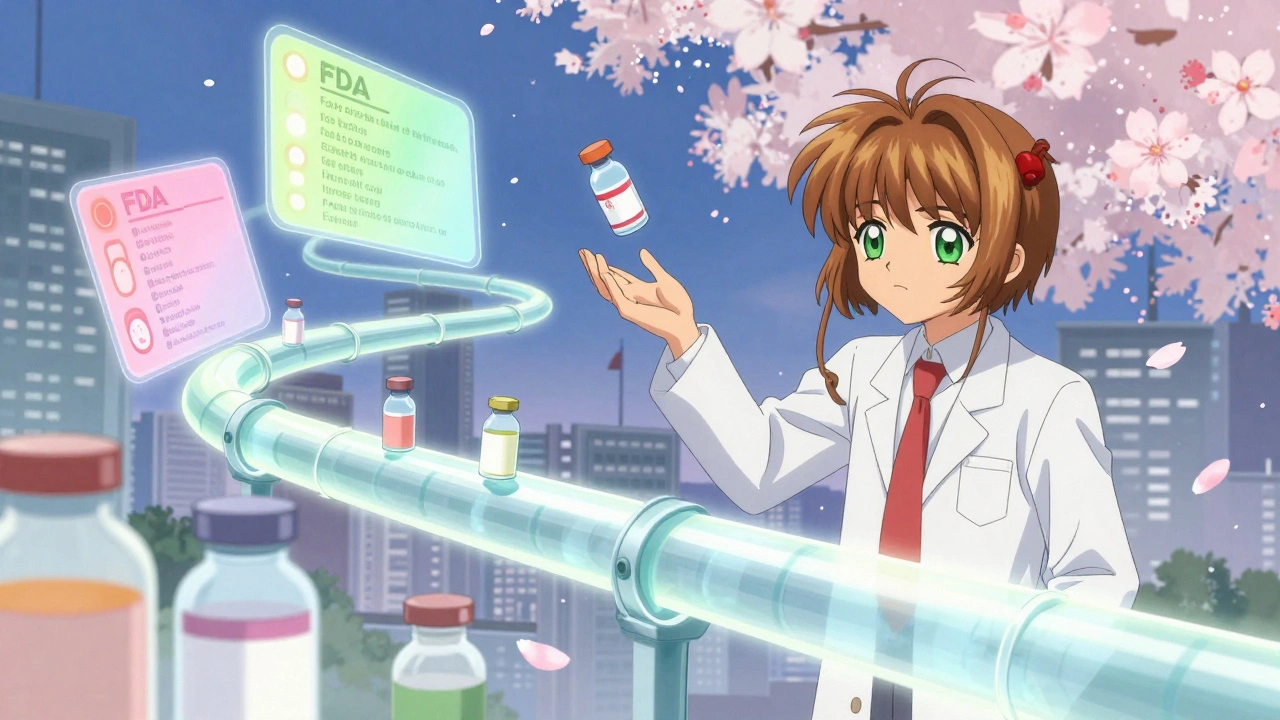
By 2026, one in five prescription drugs in the U.S. could be hard to find. Not because of a factory fire or a recall-but because of a quiet, growing crisis in how medicines are made, shipped, and prioritized. This isn’t just about insulin or antibiotics anymore. It’s about blood pressure pills, cancer treatments, even generic pain relievers. The system is fraying, and the signals are clear: drug shortages are becoming predictable, not accidental.
Why drug shortages aren’t random anymore
Ten years ago, a drug shortage was seen as a glitch-a broken machine, a delayed shipment, a quality issue. Today, it’s a pattern. The U.S. Food and Drug Administration (FDA) tracked 318 drug shortages in 2024, up from 178 in 2019. That’s nearly a doubling in five years. And it’s not just the U.S. Europe, Canada, and Australia are seeing the same trends. Why? Because the global supply chain for medicines has been stretched thin, and the pieces are starting to fall out. The core issue isn’t one thing. It’s a chain reaction. Most generic drugs-about 90% of all prescriptions-are made in just two countries: India and China. These countries produce low-margin, high-volume medications. When a single plant fails a quality check, or when a trade policy shifts, or when a natural disaster hits a chemical supplier, the ripple spreads fast. One factory in Hyderabad can delay dozens of drugs used by millions of Americans. And it’s not just manufacturing. The raw ingredients-active pharmaceutical ingredients, or APIs-are often sourced from just one or two suppliers. If one supplier runs low, or if geopolitical tensions disrupt shipping routes, production halts. There’s no backup. No redundancy. No safety net.How forecasting works: From guesswork to data-driven models
Forecasting drug shortages used to mean watching news headlines and calling distributors. Now, it’s a science. Leading health agencies and pharmaceutical analysts use systems that track over 20 data streams: FDA inspection reports, raw material inventory levels, production capacity reports, shipping delays, export restrictions, even weather patterns in manufacturing regions. For example, the FDA’s Drug Shortages Database now uses machine learning to flag potential shortages before they happen. It cross-references manufacturing delays with historical patterns. If a plant in Gujarat has had three failed inspections in 18 months, and the API supplier in Shanghai just announced a 30-day shutdown for maintenance, the system raises a red flag. That’s not luck. That’s prediction. Companies like IQVIA and Datamonitor use predictive analytics to model how changes in demand affect supply. They track things like: How many patients are starting a new cancer therapy? Are insurers changing formularies? Are hospitals switching to cheaper alternatives? All of these shift demand-and if supply can’t adjust, shortages follow. The World Health Organization’s 2025 Global Medicine Supply Report found that 68% of predicted shortages could have been avoided with better data sharing between manufacturers, regulators, and hospitals. The tools exist. The will to use them doesn’t always.The big five drivers of future drug scarcity
Five forces are shaping the next five years of drug availability:- Geopolitical fragmentation: Trade tensions between the U.S., China, and India are forcing companies to rethink sourcing. Some are moving production to Vietnam or Mexico-but that takes years. In the meantime, gaps form.
- Climate disruption: Floods in India’s pharmaceutical belt in 2023 delayed production of 12 critical antibiotics. Droughts in China reduced water availability for chemical synthesis. Climate isn’t just about crops anymore-it’s about pills.
- Regulatory delays: The FDA approved 1,200 generic drugs in 2024, but 40% of those faced delays due to inspection backlogs. One plant in Bangalore had to wait 11 months for an inspection. That’s 11 months without supply.
- Consolidation in manufacturing: The top five generic drug makers now control 70% of the U.S. market. Fewer players means less competition, less flexibility, and higher risk if one fails.
- Shifting demand: Aging populations mean more chronic disease drugs. More people on Medicare = more need for statins, diabetes meds, and anticoagulants. Supply hasn’t kept up.
What’s already broken-and who’s feeling it
In 2024, shortages hit the most vulnerable hardest. Cancer patients waited weeks for doxorubicin. Diabetics scrambled for insulin vials. Nurses in rural hospitals had to split single doses across two patients. Emergency rooms ran out of epinephrine auto-injectors during allergy season. A survey of 300 U.S. hospitals in October 2025 found that 82% had experienced a shortage of at least one essential drug in the past six months. Of those, 63% said they had to use less effective alternatives. That’s not just inconvenient-it’s dangerous. And it’s not just the U.S. In Australia, the Therapeutic Goods Administration reported a 45% increase in drug supply alerts between 2023 and 2025. In Canada, pharmacists are routinely calling other provinces to find medications that aren’t available locally. The cost isn’t just clinical. Hospitals spent an extra $2.1 billion in 2024 managing drug shortages-buying expensive alternatives, paying for expedited shipping, hiring staff to track down supplies. That money could’ve gone to patient care.What’s being done-and why it’s not enough
There are efforts to fix this. The U.S. passed the Drug Supply Chain Security Act in 2013. It was supposed to improve traceability. It helped-but didn’t solve the root problem. In 2024, Congress passed the Drug Shortage Prevention Act, which requires manufacturers to give six months’ notice before discontinuing a drug. That sounds good. But enforcement is weak. Many companies still wait until the last minute. Some manufacturers are stockpiling. But that’s expensive and risky. Drugs expire. Storage costs rise. And if a shortage lasts longer than expected, the stockpile becomes waste. The most promising idea? Diversifying production. The U.S. government is now funding domestic API manufacturing through the Biomedical Advanced Research and Development Authority (BARDA). Projects in Ohio, North Carolina, and Texas are building new facilities to make essential drugs locally. But these plants take 3-5 years to build and certify. They won’t help next year. Meanwhile, India and China are tightening export controls. In 2025, India restricted exports of 11 generic antibiotics to protect its own supply. China did the same with vitamin B12 precursors. These aren’t temporary. They’re strategic.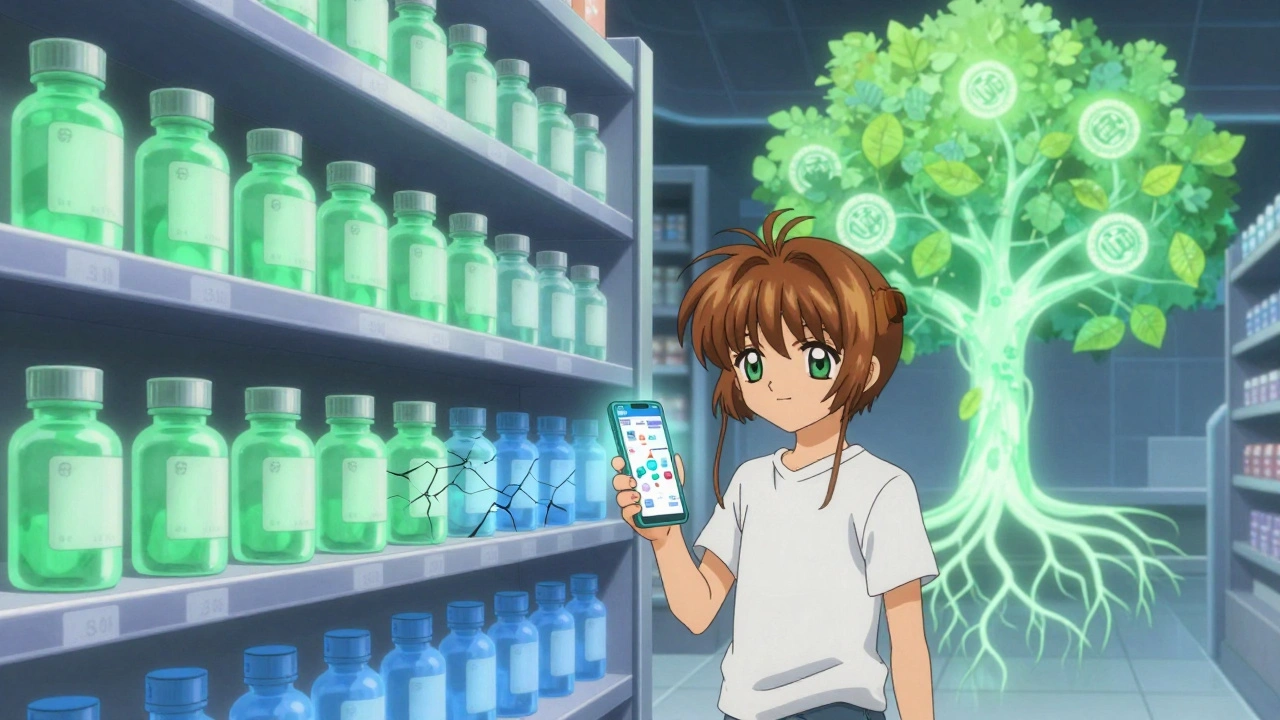
What you can do now
If you’re a patient, don’t panic-but do prepare. Talk to your pharmacist. Ask: Is this drug in short supply? Are there alternatives? Don’t wait until your prescription runs out. Many pharmacies now use real-time shortage alerts. Ask them to notify you if your medication is at risk. If you’re a provider, build redundancy into your inventory. Don’t rely on one supplier. Have backup prescriptions ready. Advocate for your hospital to join the FDA’s Drug Shortage Early Warning Network. If you’re a policymaker or investor, push for transparency. Demand public access to supply chain data. Support domestic manufacturing incentives. And stop treating drug shortages as a healthcare issue-they’re an economic, security, and public health emergency.The next five years: What’s coming
By 2030, we’ll see a new reality:- At least 15% of essential generic drugs will be produced in the Americas, up from 5% today.
- AI-driven forecasting will be standard in 80% of major hospitals.
- Insurance companies will start covering backup medications-because the cost of shortages is higher than the cost of alternatives.
- Patients will be able to track their drug’s supply chain like a package-via smartphone apps linked to FDA and manufacturer data.
Why are drug shortages getting worse?
Drug shortages are worsening because the global supply chain is fragile and overly concentrated. Most generic drugs are made in just two countries-India and China-and rely on a handful of suppliers for raw ingredients. When one plant fails, or when trade or weather disruptions occur, there’s little backup. Regulatory delays, consolidation among manufacturers, and rising demand from aging populations are making the problem worse.
Can we predict when a drug will run out?
Yes, increasingly so. Agencies like the FDA and companies like IQVIA now use AI and real-time data from manufacturing reports, inspection records, and shipping logs to predict shortages months in advance. If a plant has had repeated quality failures or if a key supplier announces a shutdown, systems flag it as high risk. But not all manufacturers report data, so gaps remain.
Are brand-name drugs also affected?
Yes, but less often. Brand-name drugs usually have more stable supply chains and higher profit margins, so companies invest in backup suppliers and inventory. But even these aren’t immune. In 2024, shortages hit key brand-name drugs like Humira and Ozempic due to production delays and raw material issues. When generics fail, demand spikes for brands-and that can strain their supply too.
What should I do if my medication is on shortage?
Don’t stop taking it. Contact your pharmacist immediately. Ask if there’s an alternative medication or if another pharmacy has stock. Your doctor may be able to prescribe a different drug in the same class. Some manufacturers offer patient assistance programs to help with access. Always keep a 30-day supply on hand if possible.
Is the U.S. government doing enough to prevent shortages?
Not yet. While laws require manufacturers to report potential shortages, enforcement is inconsistent. The FDA has limited resources to inspect foreign plants. Domestic production is being encouraged, but new facilities take years to build. The most effective solutions-like mandatory supply chain transparency and financial incentives for diversification-are still being debated, not implemented.
Will drug shortages get better by 2030?
They could-if we act now. Investments in domestic manufacturing, better data sharing, and global cooperation can reduce shortages by 40-60% by 2030. But if we keep relying on a fragile, centralized system, shortages will become more frequent and severe. The choice isn’t between fixing it or not-it’s between fixing it now or paying a much higher price later.

Paul Dixon
This is wild. I didn’t realize my blood pressure med could vanish next year. My pharmacist already warned me about one brand switching suppliers. Feels like we’re all just waiting for the next domino to fall.
Kristi Pope
I’ve been a nurse for 18 years and this is the first time I’ve seen meds disappear like this. Not just the big stuff-like insulin-but stuff like metformin or lisinopril. Patients cry because they can’t afford the $300 alternative. We’re not fixing the system. We’re just patching holes with duct tape.
Aman deep
as a guy from india i see this daily. factories here are working non stop but every time us or eu changes a rule or delays inspection, we all get stuck. its not us being lazy its the whole chain breaking. we want to help but the rules keep shifting. plz dont blame us
Eddie Bennett
I get why people are scared but honestly? This isn’t new. We’ve been warning about this since 2015. The problem isn’t the lack of data-it’s the lack of will. Politicians love to tweet about 'drug affordability' but won’t fund the actual infrastructure. We’re just spinning our wheels.
Ariel Nichole
I’m a pharmacy tech and I’ve had to call 7 different wholesalers in a week just to find one drug. It’s exhausting. But the worst part? Patients think we’re hiding something. They don’t get that we’re just as stuck as they are.
Courtney Blake
Of course China and India are the problem. We let them take over because we were too lazy to make stuff here. Now we’re paying the price. If we had kept our own API plants open, this wouldn’t be happening. Stop outsourcing everything and start rebuilding. #AmericaFirst
Lisa Stringfellow
So let me get this straight… we’re supposed to trust AI to predict when our cancer drug runs out? Like, what if the algorithm is wrong? What if it misses something? And who’s gonna fix it? The same people who let this happen? This feels like a tech bro’s fantasy wrapped in a crisis.
Jimmy Kärnfeldt
It’s funny how we treat medicine like a commodity. You wouldn’t let a single factory make all the batteries for your car. But we let two countries make 90% of our pills? That’s not capitalism. That’s gambling with people’s lives. We need to stop pretending this is just a supply chain issue. It’s a moral one.
Taylor Dressler
I’ve been working with the FDA’s early warning system for two years. The tech works. The data is solid. But half the manufacturers still don’t report inventory changes. It’s like having a smoke alarm but no one’s allowed to plug it in. We have the tools. We just need everyone to stop hiding.
Aidan Stacey
My mom’s on a drug that’s been out for 3 months straight. She’s 78. She doesn’t understand why. I had to drive 40 miles to find a pharmacy that had a partial dose. She cried. I cried. This isn’t healthcare. This is a lottery.
john damon
I just wanna say… 🤯😭💊 this is insane. Why are we still letting this happen?? We’re literally choosing between paying rent and buying meds. Someone fix this. Please. I’m begging you.
matthew dendle
so the fda has ai now cool. but why do we still have plants in india that get shut down for having cockroaches in the lab? someone needs to get fired. or maybe just burn it all down and start over
Monica Evan
as a immigrant from nigeria i see this from both sides. we need better global rules. not blame. not nationalism. real cooperation. medicine is a human right not a trade war pawn. we can do better than this
Jean Claude de La Ronde
The real tragedy? We’ll fix this after someone dies. That’s how we roll. Predictable shortages? We’ll wait for the headlines. Then we’ll cry. Then we’ll forget. Rinse. Repeat.
Taylor Dressler
To the person who said 'AmericaFirst'-you’re missing the point. This isn’t about patriotism. It’s about resilience. If we rebuild domestic capacity, we’re not just protecting Americans. We’re creating a global safety net. India and China aren’t the enemy. Fragility is.