
Pharmacy Sourcing Requirements: Legitimate Drug Procurement Standards to Avoid Counterfeit Medications
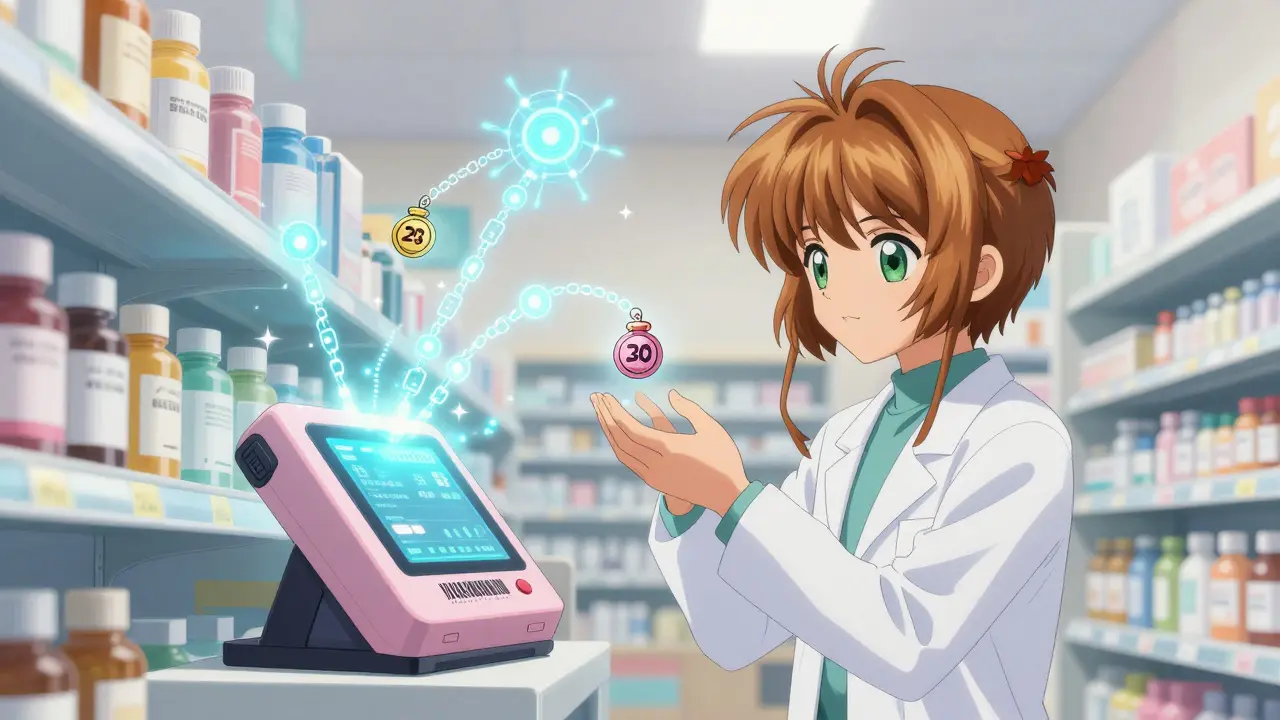
Every pill, injection, or capsule that ends up on a pharmacy shelf didn’t just appear out of nowhere. It traveled through a complex web of manufacturers, distributors, and wholesalers - and if even one link in that chain is broken, patients could be at risk. In 2026, with counterfeit drugs still making up an estimated 1% of the global supply, knowing how pharmacies are supposed to source medications isn’t just paperwork - it’s life or death.
Why Legitimate Sourcing Matters More Than Ever
Counterfeit drugs aren’t just fake labels or bad packaging. They can contain the wrong active ingredient, too little medicine, toxic fillers like chalk or rat poison, or nothing at all. The World Health Organization estimates that fake pharmaceuticals cost the global economy $200 billion a year. But behind those numbers are real people - seniors taking insulin that doesn’t work, cancer patients getting chemo with no active drug, kids on antibiotics that do nothing. The U.S. response? The Drug Supply Chain Security Act (DSCSA), passed in 2013 and fully enforced by November 27, 2023. This law didn’t just add more rules - it forced the entire pharmaceutical supply chain to go digital. Now, every time a drug changes hands - from manufacturer to distributor to pharmacy - it must be tracked electronically with unique identifiers. No more paper trails. No more guesswork.What Makes a Supplier Legitimate?
Not every company that says they sell pharmaceuticals actually should. Legitimate suppliers aren’t just registered with the FDA - they’ve got to prove it. Here’s what pharmacies must check before buying anything:- Current FDA registration - The FDA’s website lists all registered drug facilities. If a supplier isn’t there, walk away.
- State pharmacy licenses - Every state has its own rules. In 49 states, the Verified-Accredited Wholesale Distributors (VAWD) program is the gold standard. Mississippi is the only exception.
- Compliance with cGMP - Current Good Manufacturing Practices aren’t optional. Suppliers must show they follow strict quality controls during production.
- History of recalls or violations - A single recall doesn’t mean a supplier is bad. But three in five years? That’s a red flag.
- DSCSA transaction records - By law, every shipment must come with transaction information, history, and a statement. If they can’t provide this in digital format, don’t accept the delivery.
The Three-Part Verification System
Pharmacies can’t just take a supplier’s word for it. They need systems in place to catch mistakes - or fraud - before a drug reaches a patient.- Barcode scanning on receipt - Every box must be scanned. The system checks the National Drug Code (NDC), lot number, and expiration date against the purchase order. If they don’t match, the shipment is quarantined. One hospital in Ohio recently blocked $87,000 worth of drugs because the distributor’s system glitched during a DSCSA data transfer.
- Temperature monitoring - Insulin, vaccines, and many biologics need to stay between 2°C and 8°C. If the cold chain breaks, the drug is ruined - and potentially dangerous. Pharmacies must log temperatures at every transfer point.
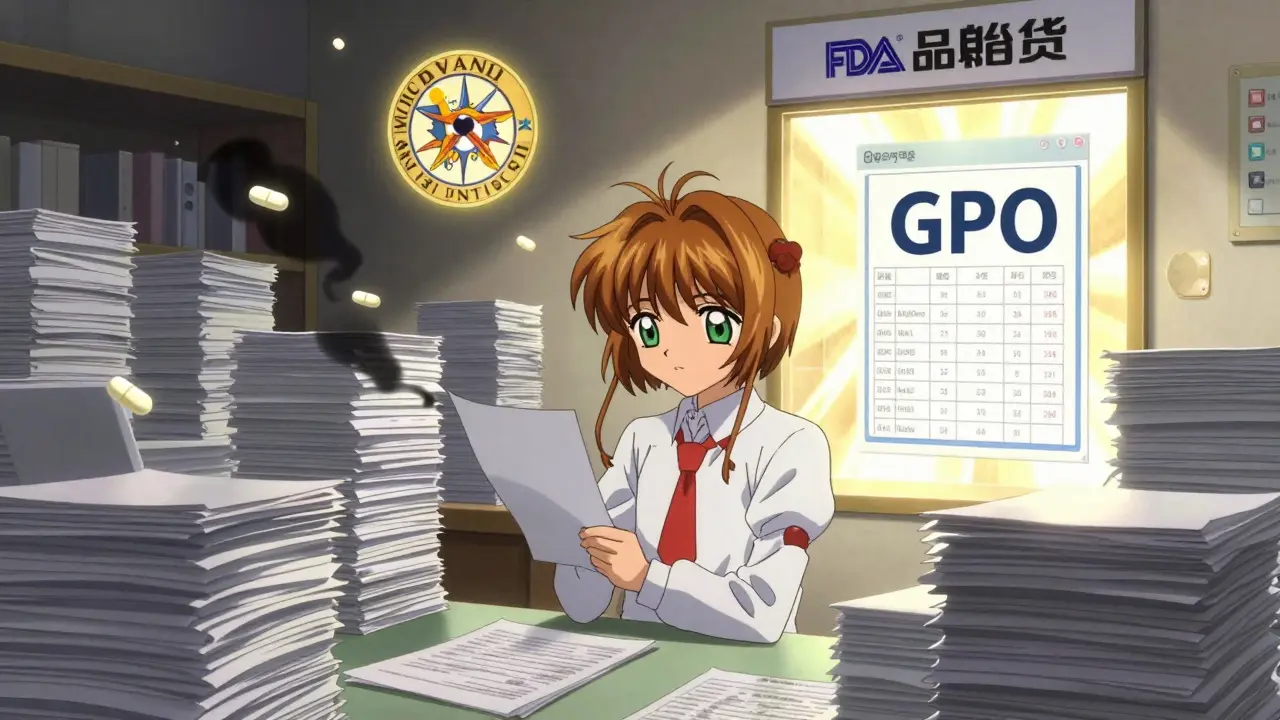
- 6-year record retention - The law requires pharmacies to keep every transaction record for at least six years. That includes who you bought from, what you bought, when, and how it was tracked. Auditors don’t ask nicely - they show up unannounced.
Big Risks in Nontraditional Supply Chains
Some pharmacies try to cut costs by using unconventional sources: buying from international vendors, using "brown bagging" (patients bringing drugs from retail pharmacies to clinics), or working with specialty distributors who skip standard channels. Here’s what happens:- 42% of health systems using nontraditional methods had at least one medication error in 2022 - from mislabeled drugs to wrong dosages.
- International suppliers are harder to verify. A drug made in India might meet U.S. standards on paper, but without on-site inspections, there’s no way to know.
- "White bagging" - where a specialty pharmacy ships directly to a clinic - sounds efficient, but it bypasses normal tracking. If the drug is lost, stolen, or tampered with, no one can trace it.
Who’s Really Doing It Right?
Hospitals with 200+ beds? 98% have full DSCSA compliance. Independent pharmacies? Only 65%. Why the gap? Small pharmacies don’t have the staff, the tech, or the budget. One independent pharmacist in Texas told me: "I spend 15 hours a week just chasing paperwork from suppliers. My whole team is drowning in compliance." The National Community Pharmacists Association says 65% of small pharmacies spend more than 10% of their budget on compliance - compared to 6% for big chains. The solution? Group Purchasing Organizations (GPOs). These are collectives of pharmacies that pool buying power and hire compliance experts to vet suppliers for everyone. Hospitals using GPOs with dedicated compliance teams reported zero supply chain security incidents in 2022. Independent pharmacies that joined one cut their verification time by 70%.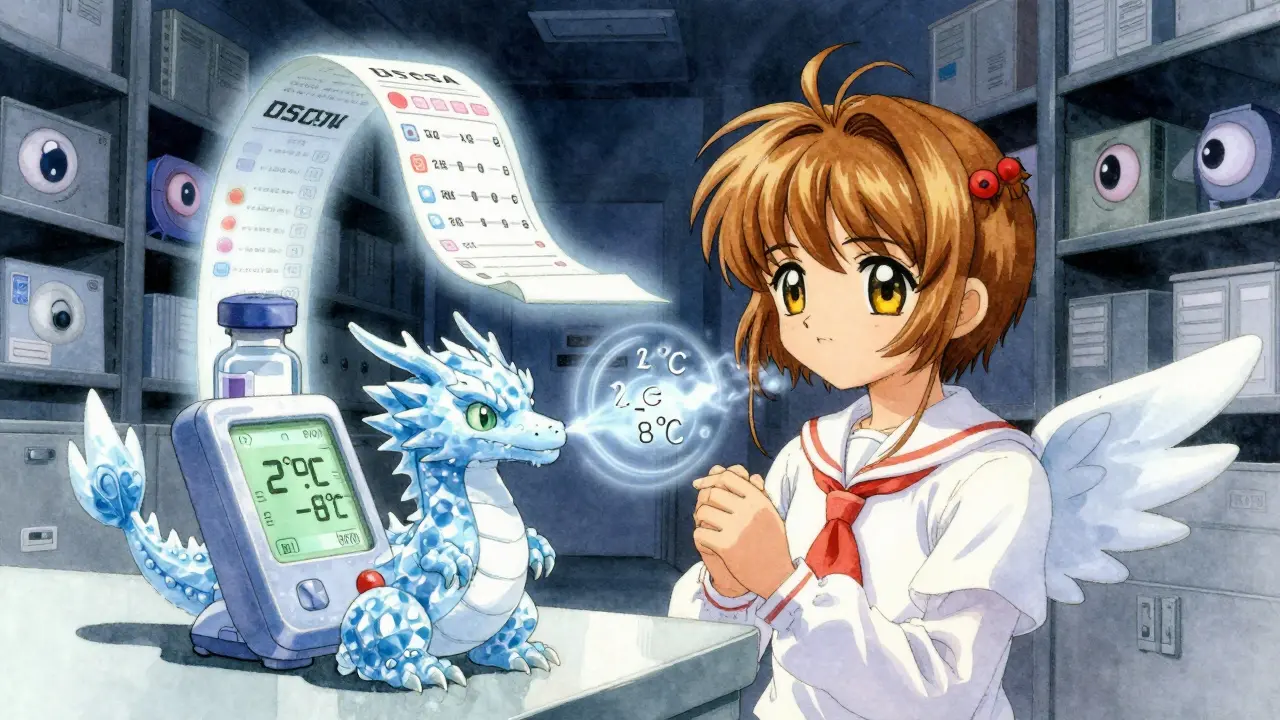
The Future: AI, Blockchain, and What’s Next
The system isn’t perfect - but it’s getting smarter. By 2025, 73% of health systems plan to use blockchain-based tracking. It’s not magic - it’s tamper-proof digital ledgers that record every transaction in real time. If someone tries to alter a lot number, the system knows. Artificial intelligence is also stepping in. AI can scan thousands of transactions and flag anomalies - a supplier suddenly shipping 10 times more than usual, a drug appearing in a state where it’s not approved, a lot number that’s been reused. Deloitte predicts AI could cut counterfeit incidents by 75% by 2026. The FDA just got a 35% budget boost in 2024 to ramp up inspections and enforcement. And by 2026, nearly all pharmaceutical transactions will be verified by software - not humans.What You Can Do
If you’re a patient: ask your pharmacist where your drugs come from. Legitimate pharmacies will be proud to tell you. If they hesitate, that’s a warning sign. If you’re a pharmacy owner: don’t try to cut corners. The cost of one counterfeit drug - in lawsuits, lost trust, or worse - far outweighs the savings. The truth is simple: legitimate drug procurement isn’t about bureaucracy. It’s about protecting people. Every barcode scanned, every temperature log checked, every supplier verified - it adds up to one thing: safer medicine for everyone.What is the DSCSA and why does it matter for pharmacies?
The Drug Supply Chain Security Act (DSCSA) is a U.S. federal law that requires all pharmaceutical manufacturers, distributors, and pharmacies to electronically track prescription drugs at every step of the supply chain. By November 27, 2023, every shipment must include unique product identifiers, transaction data, and electronic verification. This prevents counterfeit, stolen, or contaminated drugs from entering the market. For pharmacies, it means they can’t accept drugs without full digital documentation - and they must keep records for six years.
Can pharmacies buy drugs from international suppliers?
Technically, yes - but it’s extremely risky. The FDA doesn’t regulate foreign manufacturers the same way it does U.S. ones. Even if a supplier claims to meet U.S. standards, there’s no guarantee. Most legitimate pharmacies avoid international sourcing unless it’s through a verified U.S.-based distributor who can provide full DSCSA-compliant documentation. Buying directly from overseas suppliers increases the chance of receiving counterfeit or substandard drugs.
What happens if a pharmacy receives a shipment without proper DSCSA documentation?
The shipment must be quarantined immediately. The pharmacy must notify the supplier and the FDA if there’s suspicion of illegitimacy. The drugs cannot be dispensed to patients until full traceability is confirmed. If the documentation can’t be provided, the drugs must be returned or destroyed. Failing to follow this procedure can result in fines, loss of license, or criminal charges.
How do pharmacies verify if a supplier is legitimate?
Pharmacies check three things: 1) The supplier’s FDA registration on the FDA website; 2) State pharmacy licenses, especially VAWD accreditation (in 49 states); and 3) Proof of DSCSA compliance, including transaction history and statements. ASHP recommends suppliers have at least three years of clean compliance records. Many pharmacies also use third-party verification services or group purchasing organizations to reduce the burden.
Are generic drugs more likely to be counterfeit?
No - counterfeit drugs target any high-demand medication, whether brand-name or generic. But generics are often cheaper, making them more attractive to counterfeiters. The key isn’t the drug type - it’s the source. Legitimate generics from FDA-registered manufacturers are safe. The risk comes from unverified suppliers, especially those offering unusually low prices. Always verify the supplier, not just the drug label.
What role do group purchasing organizations (GPOs) play in legitimate sourcing?
GPOs act as centralized procurement hubs that vet suppliers on behalf of multiple pharmacies. They handle compliance checks, negotiate contracts, and ensure DSCSA documentation is complete. Pharmacies using GPOs with dedicated compliance teams report 89% fewer supply chain security incidents. For small pharmacies, joining a GPO is often the only practical way to meet regulatory standards without hiring a full-time compliance officer.
Is blockchain technology really being used in pharmacy sourcing today?
Yes - but mostly in pilot programs and large hospital systems. Companies like TraceLink and rfxcel already offer DSCSA-compliant platforms that use blockchain-like ledgers to record every transaction securely. By 2025, 73% of health systems plan to adopt these systems. Blockchain doesn’t replace DSCSA - it makes it faster, more accurate, and harder to fake. Independent pharmacies are slower to adopt due to cost, but GPOs are helping bridge the gap.
How often should pharmacies audit their suppliers?
Pharmacies should conduct full supplier audits at least once a year, with random spot checks quarterly. Key documents to review: FDA registration, state licenses, cGMP certifications, recall history, and DSCSA transaction records. If a supplier fails an audit, they must be removed immediately. The ASHP guidelines say compliance isn’t a one-time check - it’s an ongoing process.


Amy Ehinger
Man, I never realized how much goes into just getting a pill to the shelf. I thought pharmacies just ordered from big distributors and called it a day. Turns out there’s a whole digital audit trail for every single bottle. I mean, I’ve had my insulin shipped from three different places over the last year - never once thought to ask if it was tracked properly. Scary stuff.
And the temperature logs? I’ve got a cousin with diabetes who’s had meds spoil in her purse during summer road trips. No one told her that heat can kill the active ingredient. This isn’t just bureaucracy - it’s literally keeping people alive.
I’m glad they’re pushing blockchain and AI. I don’t trust paper anymore. If a system can flag a weird spike in shipments or a reused lot number, that’s way better than some overworked clerk squinting at a PDF.
Also, props to GPOs. Small pharmacies shouldn’t have to hire compliance officers just to stay legal. Collective power is the real MVP here.
RUTH DE OLIVEIRA ALVES
The implementation of the Drug Supply Chain Security Act (DSCSA) represents a significant advancement in pharmaceutical regulatory compliance. The mandatory electronic tracking of pharmaceutical products through unique identifiers ensures a verifiable, tamper-resistant chain of custody. This framework mitigates the introduction of counterfeit, adulterated, or misbranded drugs into the distribution system, thereby safeguarding public health.
It is imperative that all stakeholders - manufacturers, wholesale distributors, and dispensers - adhere strictly to the stipulated transaction documentation requirements. Failure to maintain accurate, retrievable records for a minimum of six years constitutes a regulatory violation of federal law.
Furthermore, the utilization of Verified-Accredited Wholesale Distributor (VAWD) accreditation, where applicable, provides an additional layer of assurance regarding supplier legitimacy. Compliance is not discretionary; it is a non-negotiable component of ethical pharmaceutical practice.
Crystel Ann
I read this whole thing while waiting for my prescription to be filled. Honestly, it made me feel a lot better. I used to worry every time I got a new generic - what if it’s not the same? But now I know there’s a whole system checking every box, every barcode, every temperature log. It’s not glamorous, but it’s working.
And the part about small pharmacies drowning in paperwork? That hit home. My local pharmacy is run by two people and a cat. They’re doing their best. Maybe we should be cheering them on instead of expecting them to be Fortune 500 companies.
Nat Young
Let’s be real - this whole DSCSA thing is just corporate theater. The FDA doesn’t even inspect 1% of foreign labs. You think blockchain stops fake pills from China? Nah. It just makes the paperwork prettier.
And GPOs? They’re just middlemen who charge you more to do the same job you could do yourself. I’ve seen pharmacies get fined for ‘missing’ transaction data that was never even sent by the supplier. It’s a trap.
Meanwhile, real problems - like insulin being priced at $300 a vial - get ignored because we’re too busy scanning barcodes. This isn’t safety. It’s distraction.
Niki Van den Bossche
Ah, the sacred algorithm of pharmaceutical sanctity - a digital sacrament encoded in blockchain and whispered through DSCSA’s liturgical transaction records. We have moved from the altar of trust to the cathedral of metadata.
But tell me, does the barcode know the soul of the patient who takes it? Does the temperature log weep when the insulin degrades in a neglected fridge? No. We have replaced human vigilance with machine obedience - and in doing so, we have forgotten that medicine is not a supply chain, but a covenant.
The real counterfeit isn’t in the pill - it’s in the belief that compliance equals care. We’ve outsourced our moral responsibility to a server farm in Ohio.
And yet… we still cling to the myth that verification = safety. How quaint. How tragic. How utterly, beautifully human.
Jan Hess
Big shoutout to the pharmacists who are doing the heavy lifting here. I know it’s a pain to chase down paperwork every time a shipment comes in but you’re literally saving lives. I had a friend who got a fake antibiotic last year and ended up in the hospital. Don’t let anyone tell you this stuff doesn’t matter.
And yeah GPOs are a game changer. My uncle runs a tiny pharmacy in Nebraska and he joined one last year - now he sleeps at night. No more 3am calls from suppliers with missing docs.
Blockchain sounds sci-fi but if it stops someone from getting poisoned? Sign me up. We need more of this not less.
Also if you’re a patient - ask your pharmacist where the meds come from. They’ll appreciate it.
Iona Jane
They’re lying to you. Every single one of them. The FDA? Controlled by Big Pharma. Blockchain? A surveillance tool to track your prescriptions. GPOs? Cartels in disguise.
Why do you think they’re pushing this now? Because they’re preparing for the next phase - mandatory digital ID for every pill you take. Soon your pharmacy will scan your retina before giving you aspirin.
And don’t get me started on temperature logs. That’s how they know when you’re not taking your meds. They’re watching. Always watching.
My cousin’s neighbor’s uncle got arrested for ordering insulin from Canada. They said it was counterfeit. But he’s still alive. The official stuff? It made him suicidal. Coincidence? I think not.
Jaspreet Kaur Chana
As someone from India who’s worked in pharma logistics, I can tell you - this system is actually pretty solid. We have tons of counterfeit drugs here too, but the U.S. is way ahead with DSCSA. The barcode tracking? Brilliant.
What’s not talked about enough is how much this helps developing countries. When U.S. companies demand full traceability, they force their overseas suppliers to upgrade too. That means better labs, better inspections, safer meds for everyone.
Yeah, it’s expensive. But imagine if your kid got a fake malaria drug because someone cut corners to save $500. That’s the real cost.
And GPOs? They’re the unsung heroes. Small pharmacies in rural areas? They’re surviving because of them. This isn’t red tape - it’s lifelines.
Haley Graves
If you’re a pharmacy owner reading this and you’re still using paper logs or not verifying suppliers - stop. Right now. You’re not just risking fines - you’re risking someone’s life.
Yes, it’s a pain. Yes, it takes time. But you signed up to heal people, not gamble with their health.
Join a GPO. Hire a temp compliance person for a month. Use free FDA tools. Do whatever it takes. The cost of one counterfeit drug is more than your entire year’s profit.
You’re not behind - you’re just not trying hard enough. Get it together. Your patients are counting on you.
Diane Hendriks
This is what happens when you let bureaucrats write healthcare policy. The DSCSA sounds good on paper, but it’s a weaponized compliance nightmare designed to crush small businesses while big chains laugh all the way to the bank.
And don’t get me started on the globalist agenda - pushing blockchain and international standards to erase American sovereignty in medicine. Why should a pharmacy in Nebraska answer to some UN-aligned tech consortium?
Real Americans don’t need digital barcodes to know their medicine is safe. They need American-made drugs from American suppliers - not some encrypted ledger in Singapore.
Stop outsourcing your safety. Start trusting your own country.
Annie Choi
So much of this is about supply chain integrity but nobody’s talking about the human layer - the pharmacist who spends 10 hours a week chasing down transaction statements instead of talking to patients. That’s the real tragedy.
AI and blockchain are sexy tech, but if we don’t fix the workflow, we’re just automating burnout. We need systems that reduce cognitive load, not add more compliance steps.
And GPOs? Yes, they help - but only if they’re designed with frontline input. Not by consultants who’ve never stepped into a community pharmacy.
We’re optimizing for audit readiness, not patient care. Let’s flip that script.