
Litigation in Generic Markets: How Patent Disputes Delay Affordable Medicines
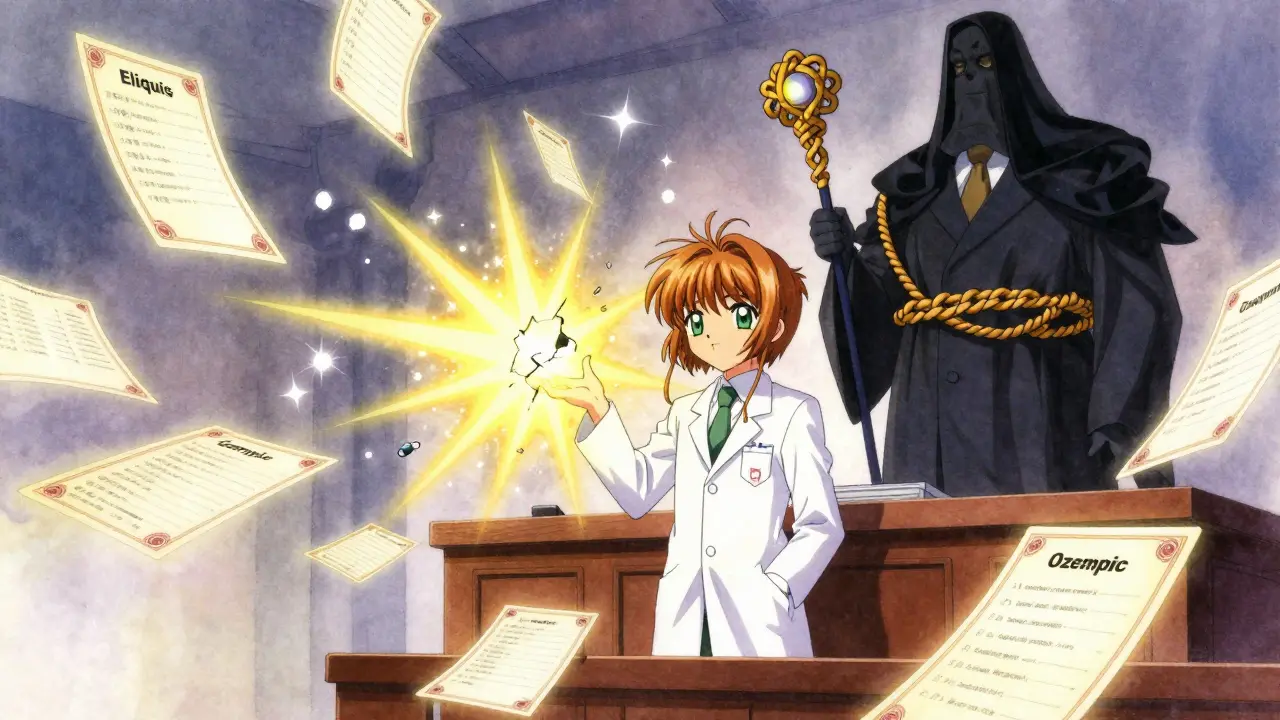
When a brand-name drug’s patent expires, patients expect cheaper generic versions to hit the market. But in reality, it’s not that simple. In 2024, the average time from a brand drug’s patent expiration to the first generic entry was 28 months-nearly double what it was in 2005. Why? Because patent litigation has become a tool to block competition, not just protect innovation.
How the System Was Supposed to Work
The Hatch-Waxman Act of 1984 was designed to strike a balance. It gave brand-name drug companies extra patent time to make up for delays in FDA approval. At the same time, it created a fast-track path for generic manufacturers to bring lower-cost versions to market. The key was the Paragraph IV certification: when a generic company files an Abbreviated New Drug Application (ANDA), it can challenge the validity or applicability of a brand’s patent. That triggers a 30-month clock. During that time, the FDA can’t approve the generic-unless the court rules in the generic company’s favor. This system was meant to encourage competition. But over time, it’s been twisted. Instead of one clean challenge, brand companies now file multiple patents-sometimes dozens-on minor parts of a drug’s delivery system, packaging, or manufacturing process. These aren’t always about the medicine itself. They’re about delaying the competition.The Orange Book: A Legal Tool Turned Weapon
The FDA’s Orange Book lists patents tied to brand-name drugs. Only patents covering the active ingredient, formulation, method of use, or manufacturing process are supposed to be included. But in practice, companies list patents for things like inhaler dose counters, tablet coatings, or even the color of the pill. In 2025, a federal judge in New Jersey ruled that six patents listed by Teva for the ProAir® HFA inhaler were invalid because they covered the inhaler’s dose counter-not the drug (albuterol sulfate). The judge made it clear: if a patent doesn’t claim the actual drug, it doesn’t belong in the Orange Book. That ruling was a big deal. Experts estimate that 15-20% of all Orange Book listings today could be challenged under this standard. But until the FDA enforces stricter rules, brand companies keep listing them. The FTC caught on. In 2024, they challenged over 300 improper listings. In May 2025, they sent warning letters to 200 more patents across 17 drugs. Teva, Amgen, and others were named.Serial Litigation: The Delay Game
Some brand companies don’t just file one lawsuit. They file a string of them. This is called serial litigation. Here’s how it works: when one patent is challenged and loses, they file a new lawsuit using a different patent-maybe one issued months or years later, held back until the first one was about to expire. The generic company has to start over. Each new lawsuit resets the 30-month clock. The result? A drug that should have had generics five years ago still doesn’t. The Association for Accessible Medicines (AAM) documented ten cases where this tactic delayed generic entry by 7 to 10 years. One example: Eliquis (apixaban), a blood thinner, has 67 patents protecting a single product. Semaglutide (Ozempic, Wegovy) has 152. That’s not innovation. That’s a legal wall.
Where Lawsuits Are Fought: The Eastern District of Texas
Not all courts are created equal. In 2024, 38% of all pharmaceutical patent cases were filed in the Eastern District of Texas. That’s more than the Western District of Texas and the District of Delaware combined. Why? Because this court has a reputation for being favorable to patent holders. Judges here are experienced in complex patent law. Juries tend to side with patent owners. And the rules make it harder for defendants to move cases elsewhere. Generic manufacturers hate it. They call it forum shopping. Brand companies love it. They file early, file often, and choose the venue that gives them the best shot at a delay. Even after the TC Heartland decision in 2017 tried to limit this practice, the Eastern District bounced back. By 2024, it was back on top.Settlements: Are They Helping or Hurting?
You’ve probably heard about “pay-for-delay” settlements-where a brand company pays a generic maker to stay out of the market. The FTC says these are anti-competitive. And sometimes, they are. But the truth is more complicated. The IQVIA Institute found that in many cases, patent settlements actually speed up generic entry-by more than five years before the patent expires. Why? Because without the option to settle, generic companies might not even file a challenge. Why risk millions in legal fees if you can’t win? Settlements give them a guaranteed market entry date. It’s not perfect, but it’s better than no entry at all. John T. O’Donnell, an industry analyst, put it bluntly: “If you limit a generic drug manufacturer’s ability to settle cases, that manufacturer does not settle fewer cases-it submits fewer Paragraph IV ANDAs.” In other words, kill the settlements, and you kill the challenges.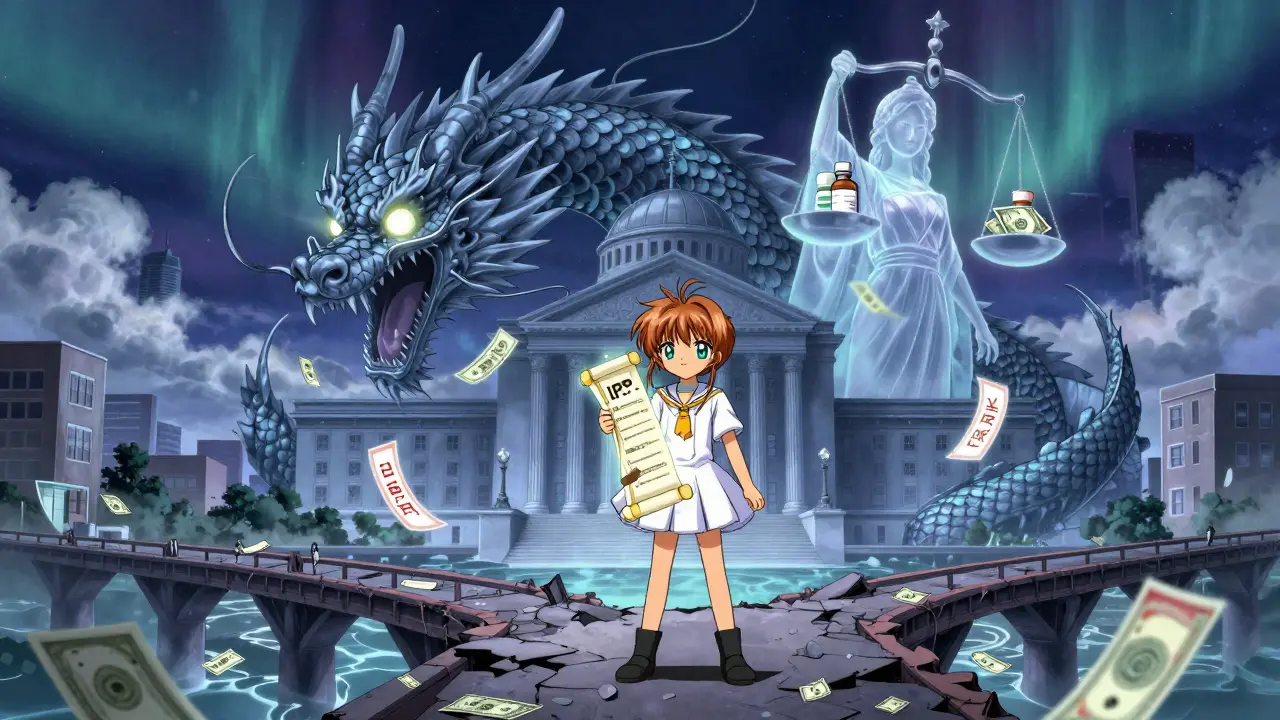
The Cost of Delay: Billions Lost
Every month a generic is delayed, patients pay more. The FTC estimates that improper patent listings block generic competition for about 1,000 drugs each year. That costs the U.S. healthcare system $13.9 billion annually. That’s not a small number. That’s enough to cover insulin for millions of Americans for a full year. Oncology drugs are the worst offenders. The average delay between patent expiration and generic entry for cancer drugs is 5.7 years. That’s over half a decade where patients are forced to pay $10,000 a month for a drug that could cost $200 in generic form.What’s Changing? New Rules, New Tactics
The FDA is finally stepping in. In 2026, new regulations will require brand companies to certify under penalty of perjury that every patent listed in the Orange Book meets legal standards. No more vague claims. No more hiding behind device patents. This could wipe out thousands of invalid listings overnight. Generic companies are also fighting back with inter partes review (IPR) at the Patent Trial and Appeal Board. IPR allows them to challenge patent validity without going to court. IPR filings against pharma patents jumped 47% from 2023 to 2024. But the Supreme Court’s 2025 decision in Smith & Nephew v. Arthrex made it harder for generic manufacturers to qualify for IPR. Now they need to show direct economic harm-something smaller generics often can’t prove.Where Do We Go From Here?
The system is broken. But it’s not beyond repair. The Hatch-Waxman Act was meant to bring down drug prices, not raise them. Patent thickets-where one drug is protected by 100+ patents-are not innovation. They’re obstruction. Congress needs to act. The FDA needs to enforce its own rules. Courts need to stop letting companies game the system. And patients need to demand better. Until then, the cost stays high. The wait stays long. And the people who need affordable medicine the most? They keep paying the price.What is the Hatch-Waxman Act and how does it relate to generic drugs?
The Hatch-Waxman Act of 1984 created a legal framework that allows generic drug manufacturers to bring lower-cost versions to market faster by using an Abbreviated New Drug Application (ANDA). It balances innovation by giving brand-name companies extra patent protection while letting generics challenge patents through Paragraph IV certifications. If a lawsuit is filed, the FDA can’t approve the generic for up to 30 months-unless the court rules the patent is invalid or not infringed.
What is the Orange Book and why does it matter?
The Orange Book is the FDA’s official list of patents tied to brand-name drugs. Only patents covering the active ingredient, formulation, method of use, or manufacturing process are legally allowed. But many companies list patents for unrelated components-like inhaler parts or pill coatings-to delay generics. Courts are now cracking down, and new FDA rules in 2026 will require companies to certify under penalty of perjury that their listings are valid.
What are pay-for-delay settlements?
Pay-for-delay settlements occur when a brand-name drug company pays a generic manufacturer to delay launching its version. The FTC calls these anti-competitive. But some studies show that in many cases, settlements still get generics to market faster than litigation alone. The issue isn’t settlements themselves-it’s when they’re used to block competition without any real benefit to patients.
Why are so many patent lawsuits happening in Texas?
The Eastern District of Texas has become the top venue for pharmaceutical patent cases because its judges are experienced in patent law, its procedures favor patent holders, and it’s harder for defendants to move cases elsewhere. In 2024, 38% of all pharma patent suits were filed there-more than any other district. Critics call it forum shopping; companies that file there call it strategic.
How do patent thickets affect generic drug access?
Patent thickets occur when a single drug is protected by dozens-even hundreds-of patents. For example, semaglutide (Ozempic) has 152 patents. This makes it nearly impossible for generics to challenge all of them at once. Even if one patent is invalidated, another is filed. The result? Generic entry is delayed for years, keeping prices high and patients paying more.
Can inter partes review (IPR) help generics win faster?
IPR allows generic companies to challenge patents at the Patent Trial and Appeal Board instead of in court, which is often faster and cheaper. IPR filings against pharma patents rose 47% from 2023 to 2024. But the Supreme Court’s 2025 ruling in Smith & Nephew v. Arthrex made it harder for generics to qualify, requiring them to prove direct economic harm-something smaller firms often can’t do.
What’s the financial impact of delayed generic entry?
The FTC estimates improper patent listings delay generic competition for about 1,000 drugs each year, costing the U.S. healthcare system $13.9 billion annually. For high-cost drugs like cancer treatments, delays of 5-7 years mean patients pay tens of thousands more than they should. That money doesn’t just disappear-it goes to pharmaceutical companies, insurers, and ultimately, patients and taxpayers.

Tru Vista
Orange Book listings are a joke. 80% of em are for shit like pill color or dose counters. FDA needs to burn the whole list and start over. #patentabuse
erica yabut
Let me be perfectly clear: this isn’t capitalism. This is corporate feudalism dressed up in legalese. Companies aren’t innovating-they’re litigating. They’ve turned the Hatch-Waxman Act into a velvet rope for the wealthy, while patients beg for insulin like it’s sacrament. And you call this a free market? Please. This is theft with a law degree. The fact that we tolerate this is the true moral collapse of American healthcare.
Vincent Sunio
The Eastern District of Texas’s dominance in pharmaceutical litigation is a textbook case of regulatory capture. The venue’s procedural advantages-combined with its historically pro-patent jury pool-constitute a systemic distortion of due process. One must question whether judicial impartiality can be maintained in a forum where 38% of all pharma patent suits are concentrated, particularly when TC Heartland was ostensibly designed to curtail such forum shopping.
Palesa Makuru
Y’all in the US are acting like this is new? We’ve seen this in South Africa with HIV meds-same playbook. Patent thickets? Check. Delay games? Check. Courts siding with Big Pharma? Oh honey, we’ve been crying about this since 2002. You think your system’s broken? Try having to choose between rent and your child’s asthma inhaler. We’ve been living the cost of delay for decades.
Ian Ring
Interesting read… really thought-provoking. I mean, I get the frustration, but settlements aren’t all bad? Like, if they get generics out faster than litigation, isn’t that… kinda good? 😅 Just saying. Maybe we need nuance, not just outrage.
Shanahan Crowell
Look-I’m not here to blame anyone. But if we want affordable meds, we’ve gotta fix the system. Not just complain. Support the FDA’s new 2026 rules. Push Congress to cap patent extensions. Celebrate the IPR filings-even if they’re harder now. Change doesn’t come from anger. It comes from action. Let’s make this the year we finally turn the tide.
Tiffany Channell
Pay-for-delay settlements are just bribery with a subpoena. IQVIA’s data is cherry-picked. Every time a generic settles, it’s not a win-it’s a surrender. And don’t get me started on Eliquis and Ozempic. 152 patents? That’s not R&D. That’s legal terrorism. This isn’t capitalism. It’s cartel economics.
Lori Jackson
Oh, so now it’s ‘innovation’ when a company patents the *color* of a pill? How quaint. The entire pharmaceutical industry is a Ponzi scheme built on regulatory loopholes and emotional manipulation. Patients aren’t customers-they’re cash cows. And the FDA? A rubber stamp for billion-dollar lobbyists. Wake up. This isn’t broken. It’s working exactly as intended-for them.
Sarah Little
IPR filings up 47%? That’s a win, right? But the Arthrex ruling is a backdoor shutdown for small generics. Economic harm requirement? Who’s gonna prove that? Only the giants can afford the lawyers. So now it’s a two-tier system: Big Pharma vs. Big Pharma, and the rest of us? Out of luck. The system’s rigged.
innocent massawe
My cousin in Lagos pays $200 for a month’s supply of a drug that costs $5 in India. This isn’t just an American problem. It’s global. Patent laws are weaponized in rich countries, and the poor pay with their lives. We need a global framework-not more lawsuits in Texas.
JUNE OHM
MARK MY WORDS: This is all part of the Great Reset. Big Pharma, the FDA, the DOJ-they’re all in bed with the global elites. They want you dependent. They want you paying $10k/month so you stay weak, distracted, and obedient. The Orange Book? A surveillance tool. The patents? Mind control. Wake up. 🇺🇸💊💣
Philip Leth
Man, I just got off a call with my cousin who works at a small generic lab. They’re drowning in paperwork. One patent challenge costs more than their annual budget. Meanwhile, Teva’s lawyers are on vacation in Bali. This isn’t about law. It’s about who’s got the deepest pockets. We need to fund the little guys-or this whole system collapses on itself.
Kerry Howarth
Great breakdown. The real solution? Limit patent extensions to only truly novel formulations-not packaging tweaks. And enforce the Orange Book rules ruthlessly. No more ‘maybe’ patents. If it doesn’t directly relate to the drug’s function, it’s off the list. Simple. Clean. Effective.
Brittany Wallace
It’s strange, isn’t it? We celebrate innovation when it’s a new iPhone, but call it ‘gaming the system’ when it’s a new pill coating. Maybe the problem isn’t the patents-it’s our values. We’ve confused monopoly with merit. And in doing so, we’ve made health a privilege, not a right. Maybe we need to ask not just ‘how?’ but ‘why?’