How to Read Your Prescription Medication Label Correctly
What’s on Your Prescription Label-and Why It Matters
Every time you pick up a prescription, you’re handed a small piece of paper that could mean the difference between getting better and ending up in the hospital. Prescription labels aren’t just paperwork-they’re your safety guide. Yet most people glance at them quickly, grab their meds, and walk out. That’s risky. Around 79% of patients misread at least one instruction on their label, according to a major NIH study. And it’s not because they’re careless. It’s because the language is confusing, the formatting is cluttered, and no one ever taught them how to read it properly.
Step 1: Check Your Name
Before you even look at the drug name, verify your full name is spelled correctly on the label. Not just your first name. Not just your last name. Your full legal name. Why? Because pharmacies handle dozens of prescriptions a day. A mix-up between “Mary Smith” and “Marie Smith” might seem unlikely-but it happens. And if you’re taking a powerful medication like warfarin or insulin, even a small error can be life-threatening. Always pause and confirm: Is this name mine? If it’s not, don’t take the pills. Go back to the pharmacy immediately.
Step 2: Understand the Medication Name
You’ll see two names: the brand name (like “Lipitor”) and the generic name (like “atorvastatin”). The brand name is what the drug company calls it. The generic name is the actual chemical. In Australia and Canada, the generic name comes first. In the U.S., the brand name often appears first-but both are required. Knowing both helps you recognize the drug if you switch pharmacies, get a refill from a different location, or need to explain it to a new doctor. If you’ve taken this drug before, compare the name to your old bottle. If it looks different, ask why.
Step 3: Read the Strength and Dosage
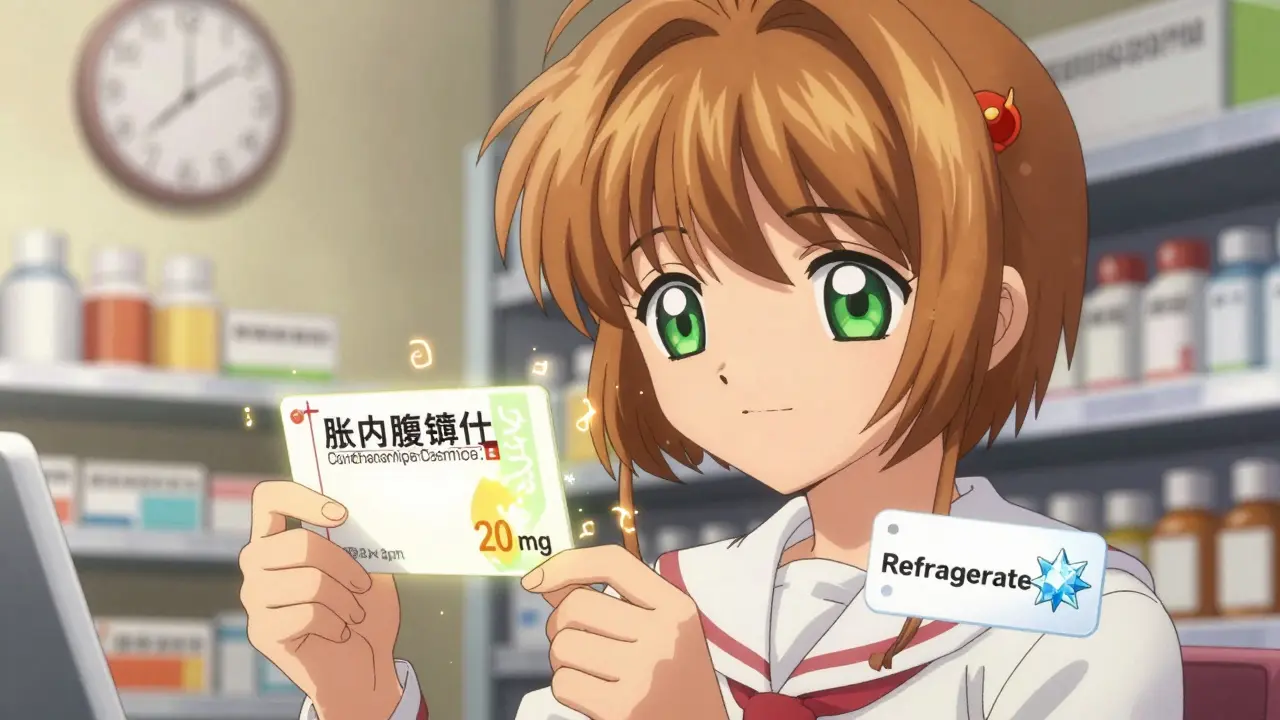
“20 mg tablets” means each pill contains 20 milligrams of the active ingredient. This is critical. Taking two 20 mg pills when you’re supposed to take one 40 mg pill? That’s the same thing-but if you’re told to take “one tablet twice daily” and you think it’s “two tablets once daily,” you’re doubling your dose. That’s dangerous. Always check the strength. If your last prescription was 10 mg and now it’s 20 mg, ask your pharmacist: “Is this right? I was on a lower dose before.” Don’t assume the dose stayed the same.
Step 4: Decode the Instructions
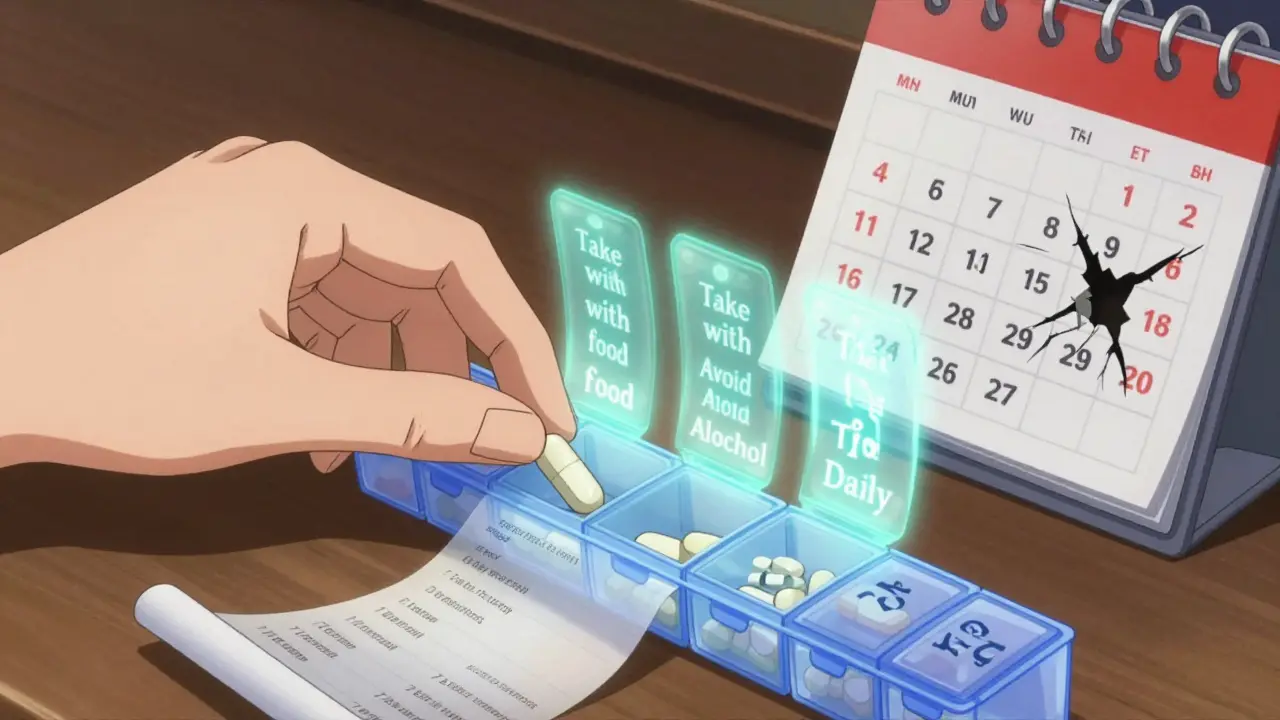
“Take one tablet by mouth twice daily.” Sounds simple, right? But here’s where most people mess up. “Twice daily” doesn’t mean “morning and night.” It means every 12 hours. If you take it at 8 a.m. and 8 p.m., you’re good. If you take it at 8 a.m. and 8 p.m. but skip the second dose because you’re asleep, you’re not getting the full effect. Some labels say “take with food” or “take on an empty stomach.” That matters. Antibiotics like amoxicillin work better with food. Others, like certain thyroid meds, must be taken alone. And never ignore “avoid alcohol” or “may cause drowsiness.” These aren’t suggestions-they’re warnings.
Step 5: Watch Out for Auxiliary Labels
Those small, colorful stickers on the bottle? They’re not decorations. “Refrigerate,” “Shake well,” “May cause sun sensitivity,” “Do not crush”-these are vital. If your insulin needs to be kept cold and you leave it on the counter for two days, it stops working. If you crush a time-release pill, you could overdose. A 2022 study found that patients who ignored auxiliary labels were 3 times more likely to have adverse reactions. Always read them. If you don’t understand one, ask the pharmacist to explain it before you leave.
Step 6: Know the Expiration Date
Most prescriptions expire one year after the fill date. That’s not the same as the manufacturer’s expiration date. Once the pharmacy opens the bottle, the clock starts ticking. Taking expired medication won’t always hurt you-but it might not work. Antibiotics lose potency. Painkillers become less effective. Insulin can degrade and cause dangerous blood sugar swings. Always check the discard date printed on the label. If it’s past that date, don’t take it. Bring it back to the pharmacy for safe disposal. Never keep old meds in your medicine cabinet.
Step 7: Understand Refills and Quantity
“Refills: 3” means you can get this prescription filled three more times without a new doctor’s note. “Quantity: 30 tablets” means you got 30 pills. If you’re supposed to take one pill a day, that’s a month’s supply. If you run out early, did you miss doses? Or did the pharmacy give you the wrong amount? Always count your pills when you get them. If you were told you’d get 60 pills but only got 30, go back. Also, if your refill count is zero and you still need the drug, don’t wait until you’re out. Call your pharmacy or doctor ahead of time. Running out of blood pressure or diabetes meds can be dangerous.
Step 8: Find the Pharmacy Contact Info
The label should show the pharmacy’s name, phone number, and sometimes a website. Keep this. If you have a question-like “Should I take this with coffee?” or “I feel dizzy after taking this”-call them. Pharmacists are trained to answer these questions. They’re not just people who hand out pills. They’re medication experts. Don’t wait for a doctor’s appointment to ask. Call the pharmacy. Most will answer within minutes.
Why This Matters More Than You Think
Medication errors cause over 1.5 million preventable injuries in the U.S. every year. In Australia, the rate is similar. About one in five of these errors happen because patients didn’t understand their label. That’s not bad luck. That’s a system failure. But you can fix it on your end. Taking two minutes to read your label properly reduces your risk of a bad reaction by more than 60%. And it saves the healthcare system billions. The FDA says clear labeling is one of the cheapest, most effective ways to prevent hospitalizations. You’re not just protecting yourself-you’re helping the whole system work better.
What to Do If You’re Still Confused
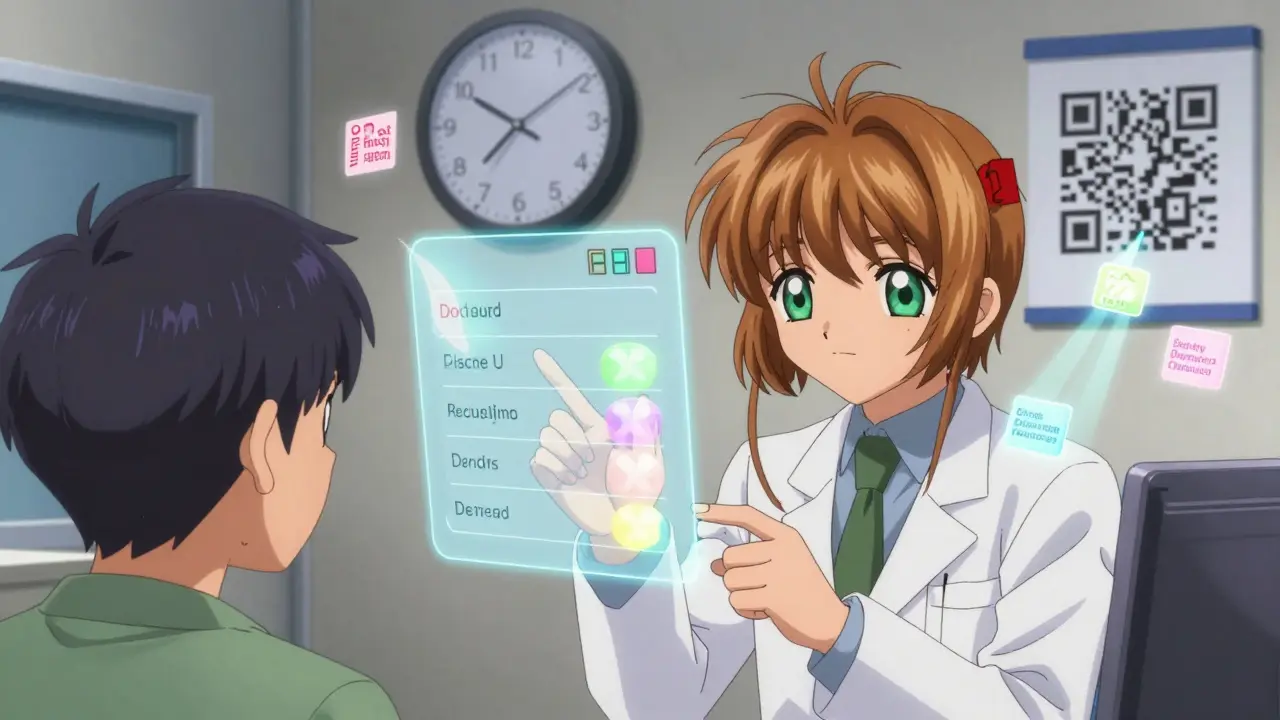
Don’t guess. Don’t assume. Don’t look it up on Google and hope for the best. Go back to the pharmacy. Ask the pharmacist to walk you through the label. Say: “I want to make sure I’m taking this right. Can you explain each part?” Most pharmacists will gladly do it. Some even offer free medication reviews. If you have low health literacy, ask if they have visual aids or translated labels. Many pharmacies now offer QR codes that link to video instructions in multiple languages. In 2022, trials showed these reduced misinterpretation by 40% in non-English speakers. Ask if your pharmacy has them.
Final Tip: Keep a Medication List
Write down every medication you take-name, strength, dosage, time of day, reason. Keep it on your phone or in your wallet. When you see a new doctor, show them this list. It prevents dangerous interactions. For example, if you’re on blood thinners and your new doctor prescribes an over-the-counter painkiller like ibuprofen, they need to know. A simple list can stop a life-threatening mistake before it happens.
What if the label says ‘as needed’? How many times can I take it?
‘As needed’ means take it only when you have symptoms-not on a fixed schedule. But there’s always a limit. Look for a max daily dose, like ‘Do not exceed 4 tablets in 24 hours.’ If it doesn’t say, ask your pharmacist. Taking too much of painkillers like acetaminophen or anti-inflammatories can damage your liver or kidneys. Never assume ‘as needed’ means ‘whenever I feel like it.’
Can I split a pill if the dose seems too high?
Only if the pill has a score line (a groove down the middle) and your doctor or pharmacist says it’s safe. Many pills, especially time-release or coated ones, shouldn’t be split. Splitting them can change how the drug works. For example, splitting a blood pressure pill might cause your dose to spike or drop unpredictably. Always ask before splitting.
Why does my label have a barcode?
The barcode links to your electronic prescription record. It helps the pharmacy track your meds, prevent errors, and ensure you’re getting the right drug. It’s also used when you refill online or use a pharmacy app. Never remove or damage it. If the barcode is smudged, ask for a new label.
What’s the difference between the DIN and NDC?
DIN (Drug Identification Number) is used in Canada. NDC (National Drug Code) is used in the U.S. Both are unique eight-digit codes that identify the exact drug, manufacturer, and strength. If you’re traveling or getting meds from another country, these codes help pharmacists verify the medication. You don’t need to memorize them-but if you’re unsure about a drug’s identity, ask the pharmacist to check the DIN or NDC against the bottle.
Can I trust a prescription label from an online pharmacy?
Only if it’s licensed and verified. In Australia, look for the AHPRA logo and a physical address. In the U.S., check for VIPPS certification. Unregulated online pharmacies sometimes sell fake, expired, or wrong-dose meds. If the label looks blurry, has typos, or doesn’t include your name or pharmacy contact info, don’t take it. Call your regular pharmacist and ask them to verify the prescription before you use it.