How Providers Can Advocate for Generic Medications to Improve Patient Outcomes
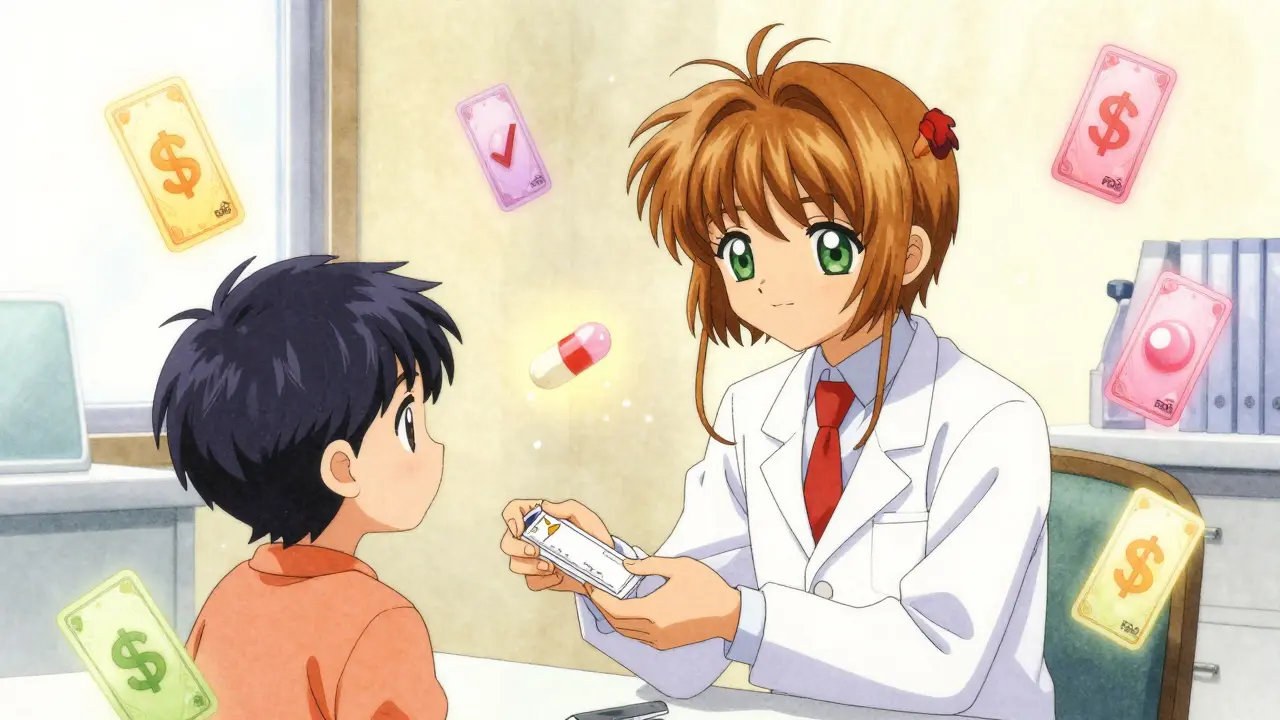
When a patient walks out of the clinic with a new prescription, they’re not just getting medicine-they’re getting a promise. A promise that it will work. That it’s safe. And that they can actually afford it. Too often, that last part gets ignored. But providers-doctors, pharmacists, nurses-are in the best position to change that. Supporting the right use of generic medications isn’t just about saving money. It’s about keeping people healthy.
Why Generic Drugs Matter More Than You Think
Most people don’t realize that 90% of all prescriptions filled in the U.S. are for generic drugs. Yet, these generics make up only 23% of total drug spending. That’s not a coincidence. It’s the result of strict science and smart policy. The FDA requires every generic drug to prove it’s bioequivalent to the brand-name version. That means the active ingredient is identical, the dose is the same, and it works the same way in the body. The only differences? Inactive ingredients-like color, shape, or filler-and price. A generic version of a drug can cost as little as 15% of the brand-name price after it enters the market. But here’s the catch: patients don’t always know that. They see a pill that looks different from what they used to take. They hear rumors. They worry. And when they’re unsure, they stop taking it. A 2019 study of 1.4 billion prescriptions found that patients were 266% more likely to abandon their prescription if it was a brand-name drug. Why? Because the out-of-pocket cost was too high. Ninety percent of generic copays were under $20. Only 39% of brand-name copays were that low. That’s not just a statistic. That’s someone skipping their blood pressure pill because they can’t afford it. That’s someone with diabetes running out of insulin because they’re choosing between meds and groceries.Providers Are the Bridge Between Science and Trust
Patients don’t trust the FDA as much as they trust their doctor. That’s the reality. A 2015 review in PMC found that even when patients say they support generics, they still hesitate when it’s time to switch. But when their provider explains why the change is safe, compliance goes up. It’s not enough to just write a prescription for a generic. You have to talk about it. Early. Clearly. Without jargon. A pharmacist in Melbourne shared a story about a patient who came in angry because her antidepressant looked different. She thought it was fake. She’d stopped taking it for three days. Her anxiety spiked. It took 15 minutes of explaining FDA standards, bioequivalence, and inactive ingredients to get her back on track. That’s the kind of time providers don’t always have. But skipping it costs more in the long run. Patients who stop taking meds because they’re confused or scared end up back in the ER, in the hospital, or worse. The time spent talking now saves time-and lives-later.When Brand-Name Drugs Are Still Necessary
Some people think advocating for generics means pushing them everywhere. That’s not true. There are real cases where brand-name drugs are needed. Drugs with a narrow therapeutic index-like warfarin, levothyroxine, or certain epilepsy meds-require very precise dosing. Even small differences in absorption can cause problems. That’s why professional groups like the American Academy of Family Physicians oppose mandatory generic substitution for these drugs. But here’s the nuance: that doesn’t mean generics are unsafe. It means providers need to be thoughtful. For most medications-antibiotics, statins, blood pressure pills, asthma inhalers-generics are just as effective. The choice isn’t between good and bad. It’s between appropriate and inappropriate. The American College of Physicians made it clear in 2022: doctors should prescribe generics whenever possible. Not because they’re cheaper, but because they work just as well. And when they’re cheaper, more people take them.
How to Talk to Patients About Generics
You don’t need a lecture. You need a conversation. Here’s how to make it work:- Start early. Don’t wait for the patient to notice the pill looks different. Say it when you write the script: “I’m prescribing the generic version of this drug. It’s the same medicine, just less expensive.”
- Use simple language. Avoid words like “bioequivalence.” Say: “This generic has the same active ingredient, works the same way, and is checked by the FDA to be just as safe and effective.”
- Explain the cost difference. “Your brand-name pill costs $80 a month. This one is $12. That’s $800 a year you can use for food, transport, or anything else.”
- Address appearance changes. “The color or shape might be different because the company that makes it uses different fillers. That doesn’t change how it works.”
- Check in later. A quick call or message a week after the switch: “How’s the new pill working for you?” goes a long way.
The Hidden Barriers
Even when providers want to support generics, the system gets in the way. Prior authorization requirements for brand-name drugs can delay treatment by over two days. That’s two days without medicine. The American Academy of Family Physicians is pushing to eliminate prior auth for generics-and they’re right to. If a generic is available, it should be automatic. There’s also a new problem: some generic drugs are getting more expensive. In early 2023, the American Society of Health-System Pharmacists warned that price spikes in certain essential generics-like insulin, antibiotics, or seizure meds-are making them unaffordable again. This isn’t the norm, but it’s a growing risk. Providers need to stay aware of which generics are stable and which are volatile. Electronic health records are starting to help. New systems now show real-time price comparisons at the point of prescribing. If a brand-name drug costs $150 and the generic is $12, the system can flag that. That’s a game-changer. But only if providers use it.
It’s Not Just About Cost-It’s About Care
Patient advocacy isn’t about pushing the cheapest option. It’s about ensuring the right option is taken. Generics are safe, effective, and often the only way people can afford their meds. When providers speak up, patients listen. The science is clear. The data is clear. The moral case is clear. If you’re a provider, your job isn’t just to treat disease. It’s to remove barriers to care. That includes the cost of the medicine itself. Next time you write a prescription, ask yourself: Is this the best choice for my patient’s health-and their wallet? If the answer is yes, say it out loud. Because sometimes, the most powerful thing you can do isn’t a new test or a new drug. It’s simply saying, “This works just as well, and it won’t break you.”What About Biosimilars?
The same principles apply to biosimilars-generic versions of complex biologic drugs like Humira or Enbrel. These are newer, more expensive, and harder to understand. But the cost difference can be over 30%. Patients need the same kind of clear, honest explanation. Providers are the ones who can make that happen.