
Women’s Heart Disease: Recognizing Unique Symptoms and Effective Risk Management
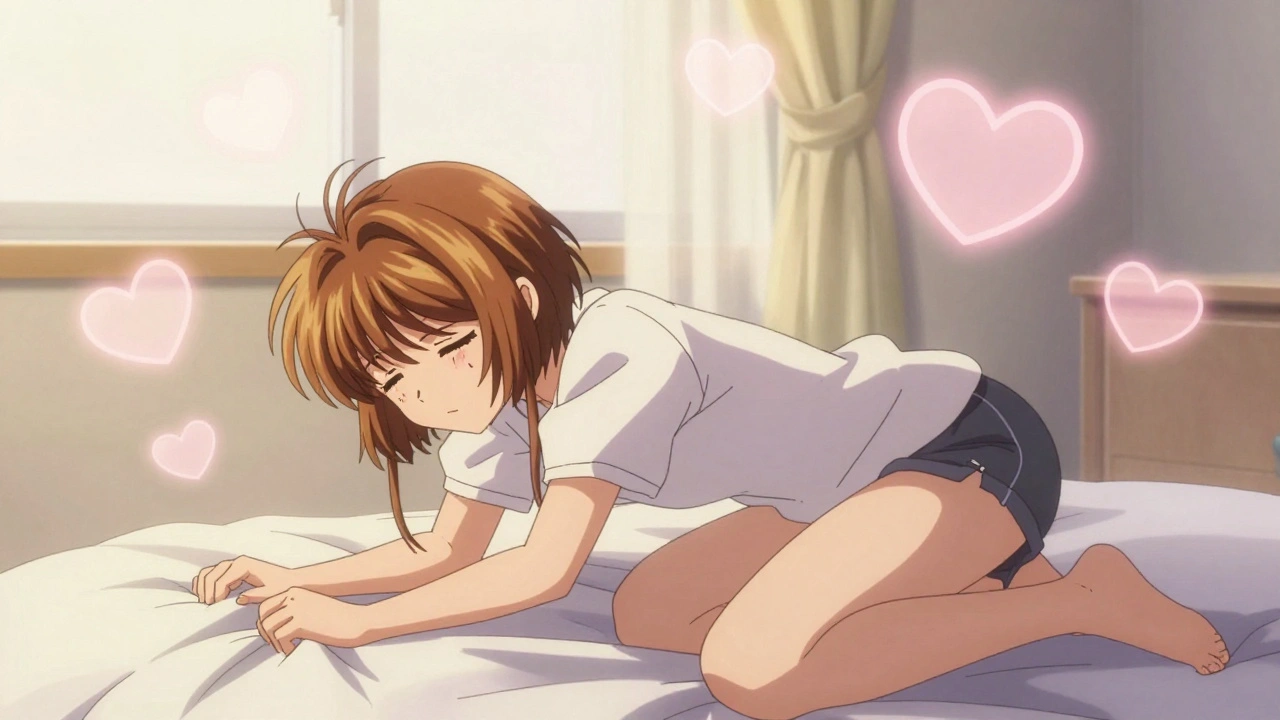
Heart disease kills more women than all forms of cancer combined. Yet, most women still don’t realize it’s their biggest health threat. In the U.S., about 1 in 5 female deaths is caused by heart disease - that’s over 300,000 women every year. But here’s the problem: the symptoms women experience are often nothing like what you see in movies. No clutching the chest, no dramatic collapse. Instead, it’s fatigue so deep you can’t make your bed. Or jaw pain that feels like a toothache. Or nausea that comes with no stomach upset. These aren’t signs of stress or aging - they’re warning signs your heart is struggling.
What Heart Disease Looks Like in Women
For decades, heart disease research focused almost entirely on men. The famous Framingham Heart Study, which laid the foundation for modern cardiology, enrolled only men. That’s why for years, doctors looked for the same symptoms in women - crushing chest pain, pain radiating down the left arm. But women’s hearts don’t always behave the same way. Their arteries are smaller. Their hormonal changes affect blood flow. And their heart attacks often start in the tiny vessels, not the big ones.
When women have a heart attack, only about 65% report chest pain. That means nearly 1 in 3 women have no chest pain at all. Instead, they get symptoms like:
- Unexplained, extreme fatigue - so bad it stops you from doing simple chores
- Shortness of breath during light activity, like walking to the mailbox
- Pain or pressure in the jaw, neck, back, or upper abdomen
- Nausea, vomiting, or indigestion without eating anything unusual
- Dizziness, lightheadedness, or sudden cold sweats
These aren’t random. A 2023 study from Yale Medicine found that 71% of women who had heart attacks described this kind of “vital fatigue” - exhaustion that doesn’t go away with rest. And 42% had shortness of breath before the attack, even if they’d never had breathing problems before. These symptoms often come on slowly, over days or weeks. That’s why so many women dismiss them as stress, flu, or just getting older.
Why Women Are Misdiagnosed - And Why It’s Deadly
When a woman walks into an emergency room with jaw pain and nausea, the first question isn’t always “Could this be her heart?” Too often, it’s “Are you stressed?” or “Are you anxious?” A 2022 study in JAMA Internal Medicine found that in nearly 7 out of 10 cases, doctors attributed women’s cardiac symptoms to emotional causes - not heart problems. This bias has real consequences.
Women under 55 are seven times more likely than men to be sent home from the ER without proper testing. And when they are misdiagnosed, their risk of dying within a year jumps by 50%. That’s not because their hearts are weaker - it’s because they don’t get treated in time. Every minute counts. Heart muscle dies when it’s starved of blood. Delayed care means permanent damage.
And women are more likely to mistake their own symptoms. The Family Heart Foundation found that 59% of women with heart attacks think they’re having indigestion, anxiety, or muscle strain. That leads to an average delay of 2.3 hours before calling 911. In cardiac emergencies, those extra hours can mean the difference between life and death.

Unique Conditions That Hit Women Harder
There are heart problems that happen far more often in women than men - and most people have never heard of them.
Microvascular disease affects the tiny arteries that feed the heart. It’s often called “small vessel disease.” Unlike blockages in the big arteries (which show up clearly on traditional tests), this one doesn’t show up on a standard angiogram. Instead, it causes ongoing fatigue, shortness of breath, and chest tightness - especially during emotional stress. Women are twice as likely as men to have this condition, yet it’s frequently missed.
Spontaneous Coronary Artery Dissection (SCAD) is when a tear forms in a heart artery - without trauma, injury, or plaque buildup. It’s the leading cause of heart attacks in women under 50, especially those who are pregnant or just gave birth. Most women who have SCAD are otherwise healthy - no high cholesterol, no smoking, no family history. But they still have heart attacks. And because it’s rare and misunderstood, many doctors don’t test for it.
Takotsubo cardiomyopathy, or “broken heart syndrome,” is triggered by extreme emotional or physical stress - like the death of a loved one, a serious accident, or even a surprise party. It causes temporary heart muscle failure that mimics a heart attack. Women, especially those over 50, make up 90% of cases. The heart usually recovers, but the initial symptoms are terrifying - chest pain, shortness of breath, dizziness.
What Increases Your Risk - And What You Can Control
Some risk factors are the same for men and women: high blood pressure, high cholesterol, smoking, obesity, diabetes. But women have some unique ones.
- Pregnancy complications: Preeclampsia (high blood pressure during pregnancy) raises your future heart disease risk by 80%. Gestational diabetes and preterm birth also increase risk.
- Menopause: After menopause, estrogen drops - and with it, your heart’s natural protection. Women who go through early menopause (before 45) have a 50% higher risk of heart disease.
- Autoimmune diseases: Lupus, rheumatoid arthritis, and other conditions that cause chronic inflammation raise heart disease risk more in women than men.
- Mental stress: Women are 37% more likely than men to have angina triggered by emotional stress. Chronic stress, depression, and loneliness are major silent drivers of heart disease in women.
- Low physical activity: Many women juggle caregiving, work, and family. Exercise often gets pushed to the bottom. But even 30 minutes of brisk walking five days a week cuts heart disease risk by 30%.
Here’s the good news: most of these risks can be managed. You don’t need to be perfect. Small changes add up. Quitting smoking cuts your heart disease risk in half within a year. Walking daily lowers blood pressure. Managing stress through sleep, mindfulness, or talking to someone helps more than you think.
How to Get the Right Diagnosis
If you’re experiencing unusual symptoms - especially fatigue, shortness of breath, or unexplained pain - don’t wait. Don’t assume it’s just stress. Ask for cardiac testing.
Standard tests like stress ECGs or angiograms often miss microvascular disease. But newer tools are helping:
- The Corus CAD test analyzes gene expression to detect blocked arteries in women with 88% accuracy - much better than traditional stress tests.
- Cardiac MRI can detect inflammation and small vessel damage that other scans miss.
- Doctors should consider a CT calcium score for women with risk factors, even if they have no symptoms.
And if you’re being told it’s “just anxiety” or “aging,” push back. Say: “I know heart disease can look different in women. I’d like to rule it out.”
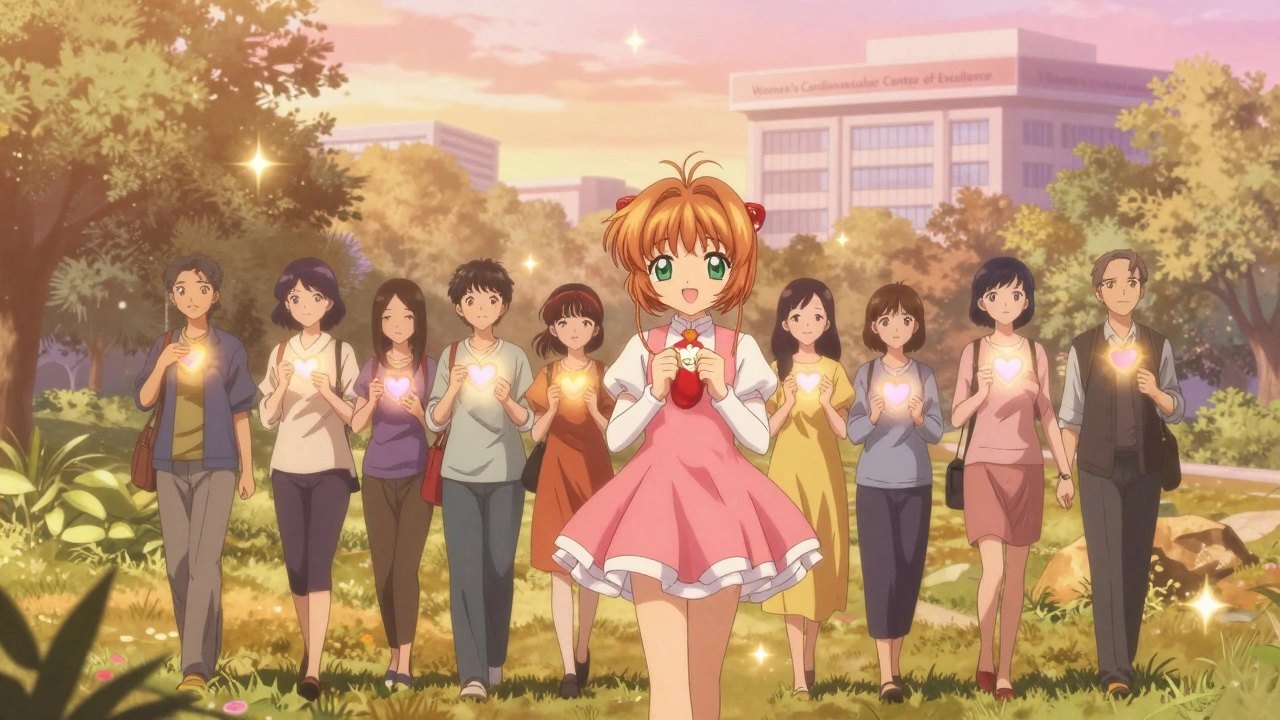
Hospitals with Women’s Cardiovascular Centers of Excellence - there are over 140 in the U.S. - have protocols specifically designed for women. They’re trained to recognize the subtle signs. If you’re having symptoms, ask if you can be referred to one.
What You Can Do Today
You don’t need to wait for a crisis. Start now:
- Track your symptoms. Keep a simple log: when you feel tired, short of breath, or have pain. Note what you were doing. This helps doctors see patterns.
- Know your numbers. Get your blood pressure, cholesterol, and blood sugar checked yearly - especially after menopause.
- Ask about your pregnancy history. If you had preeclampsia, gestational diabetes, or delivered early, tell your doctor. It’s a red flag.
- Move every day. Walk, dance, garden - anything that gets your heart beating a little faster. No gym required.
- Protect your mental health. Talk to someone if you’re overwhelmed. Chronic stress is a heart disease risk factor.
- Find a doctor who listens. If you feel dismissed, find another one. Your heart deserves better.
Heart disease isn’t just a man’s problem. It’s the leading killer of women - and it’s preventable. But only if we stop ignoring the signs that don’t look like the movies. Pay attention to your body. Trust your gut. If something feels off, it probably is. And when it comes to your heart, waiting is never the right choice.

Michelle Smyth
The article gestures toward a structural epistemological crisis in cardiology-rooted in a patriarchal epistemic framework that privileges male physiological norms as the universal standard. The ontological erasure of microvascular pathology in women isn't merely an oversight-it's a symptom of biomedical hegemony. We must deconstruct the hegemonic iconography of cardiac distress-the clutching chest, the dramatic collapse-as colonial relics of a male-centric medical gaze. Until we center embodied female phenomenology in diagnostic paradigms, we're just rearranging deck chairs on the Titanic of systemic neglect.
And don't get me started on the fetishization of 'lifestyle interventions' as panaceas. The neoliberal co-optation of health discourse reduces complex pathophysiology to individual moral failure. Walking five days a week? That’s a bandage on a hemorrhage when structural determinants-caregiving burdens, wage gaps, chronic stress-are left unaddressed.
True reform demands institutional epistemic justice: mandatory gendered training in medical curricula, funding for sex-specific biomarker research, and the dismantling of the 'anxiety' diagnostic default. Until then, we’re just performing performative awareness while the mortality statistics keep climbing.
And yes, I’ve had the jaw pain. Twice. They sent me home with antacids.
And no, I’m not ‘stressed.’ I’m systemically ignored.
Patrick Smyth
I just read this and I’m shaking. My wife had all of this-fatigue, jaw pain, nausea-and the doctor told her she was just ‘overworked.’ She was 48. She had a heart attack three weeks later. I sat in that ER while they ran test after test and I kept saying ‘It’s her heart, it’s her heart.’ They didn’t listen. She survived, but she’s not the same. I don’t care about studies or statistics. I care about the woman I love nearly dying because no one believed her. Please-listen to your mothers, your sisters, your wives. Don’t wait for the movie version. If they say something’s wrong, trust them. I wish someone had trusted me.
Declan Flynn Fitness
Biggest takeaway? Move daily. Even 20 minutes. I’ve seen clients over 50 reverse pre-diabetes and lower BP just by walking after dinner. No gym. No supplements. Just consistent movement. And if you’re tired all the time? That’s not ‘aging’-it’s your body screaming. Get checked. Not next month. Now.
Also-SCAD is wild. My cousin had it after having her third kid. Totally healthy. No risk factors. Just... tore an artery. No warning. Doctors had never seen it before. If you’re postpartum and feel like you’ve been hit by a truck? Don’t brush it off. Get an echo. Seriously.
And yes, women’s centers exist. Ask for them. They’re lifesavers.
Sean McCarthy
Let’s be real. The article is 80% fearmongering wrapped in pseudoscientific jargon. Yes, heart disease kills women. But so do car crashes. So does falling down stairs. Should we write 5,000-word manifestos about every possible cause of death? No. The real issue is that women are more likely to delay care because they’re socialized to ignore pain. That’s a cultural problem, not a medical one. And ‘microvascular disease’? That’s not a new diagnosis-it’s just a fancy term for ‘we don’t know what’s wrong.’ Stop pretending there’s some hidden conspiracy. Just go to the doctor. Stop overcomplicating it.
Also-‘broken heart syndrome’? That’s not a real medical term. It’s a pop culture label. Don’t let influencers make you paranoid.
Shashank Vira
It is profoundly tragic that the epistemological foundations of Western cardiology remain tethered to the Cartesian dualism of the male body as the normative subject. The feminine body, in its hormonal flux and microvascular complexity, has been rendered pathological-not as an object of inquiry, but as an anomaly to be corrected. The very language of ‘symptoms’ implies deviation from a masculine ideal. We are not merely underdiagnosed-we are ontologically misrecognized. The Yale study cited? Merely a footnote in the grand archive of biomedical misogyny. Until the medical establishment deconstructs its phallocentric episteme, we remain in the age of Galen, not the 21st century.
Eric Vlach
My mom had this. She thought it was just acid reflux. She didn’t go in until she couldn’t lift her arm to brush her hair. They found a 90% blockage. She’s fine now. But she didn’t get lucky-she got lucky because her daughter nagged her into going. So if you’re reading this and you’re a woman who’s been told ‘it’s stress’-you’re not being dramatic. You’re being right. And if you’re a man reading this-ask your mom, your wife, your sister if they’ve ever felt that weird exhaustion. Don’t wait for a crisis. Talk about it. It’s not a weakness to care. It’s the only thing that saves lives.
And yes, walking helps. My dad started walking with my mom after her heart attack. Now they do it every morning. 20 minutes. That’s it. And they’re both still here. That’s the real win.
Lydia Zhang
My doctor said my fatigue was anxiety. I was 42. Turns out I had microvascular disease. Took me six months and three ER visits to get diagnosed. They didn’t even check my coronary calcium score. Just gave me Xanax. Don’t trust them. Trust yourself.
Kay Lam
I’ve been reading about this for years and I think what’s missing from the conversation is how much emotional labor women are expected to manage while also being the primary caregivers for aging parents, children, and spouses. The constant mental load-remembering appointments, managing bills, coordinating meals, soothing emotions-this isn’t just exhausting, it’s physiologically toxic. The body doesn’t distinguish between emotional stress and physical stress. Chronic cortisol exposure literally remodels your cardiovascular system. So when we say ‘stress is a risk factor’ we’re not talking about being late for work. We’re talking about the invisible burden of being the emotional anchor of a family while also being expected to be productive, attractive, and self-sufficient. No wonder so many of us are silently breaking down. We’re not lazy. We’re overloaded. And no amount of walking will fix a system that expects women to hold everything together while giving them no support. The real solution isn’t just better diagnostics-it’s societal change. We need paid family leave, affordable childcare, mental health access, and respect for the labor women do every day that no one sees or pays for. Until then, we’re treating symptoms while the disease keeps spreading.
Matt Dean
Everyone’s overcomplicating this. If you feel weird, go to the ER. Don’t wait. Don’t Google. Don’t wait for someone to validate your pain. If your jaw hurts and you’re tired and you’re a woman-you’re not being dramatic. You’re being smart. Go. Get checked. If they say no, go to another hospital. Don’t argue. Just leave and come back with a different doctor. I’ve seen too many women die because they were polite. You don’t have to be polite when your heart’s failing. Be loud. Be rude. Be insistent. Your life is worth more than their ego. And if you’re a man? Don’t tell your wife she’s being dramatic. Just drive her to the hospital. That’s your job.