
What Happens When You Don't Take Your Medication as Prescribed
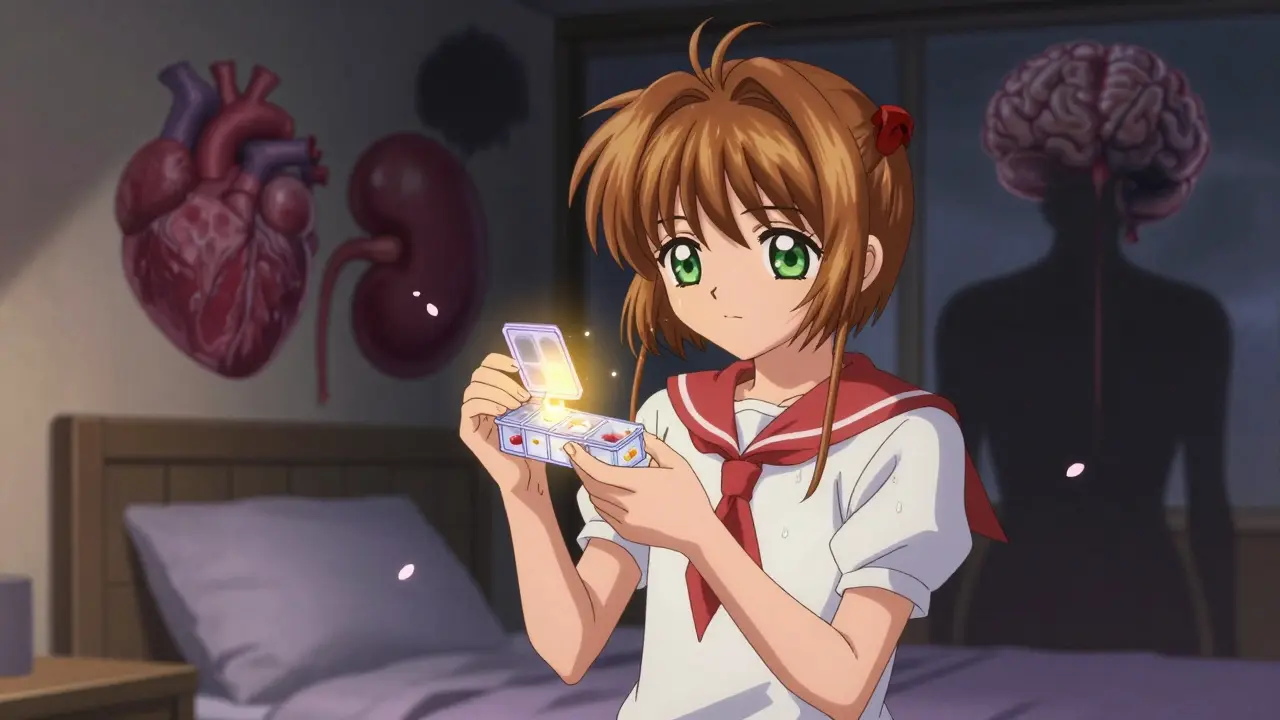
Skipping a pill here and there might seem harmless. Maybe you forgot. Maybe you felt fine. Maybe the cost was too high. But when you don’t take your medication exactly as your doctor ordered, it’s not just a small mistake-it’s a serious risk to your health, your wallet, and even your life.
Your Body Doesn’t Know the Difference Between a Missed Dose and a New Problem
When you’re on medication for high blood pressure, diabetes, asthma, or even depression, your body is relying on a precise balance. That balance is built over days, sometimes weeks, of consistent dosing. Skip one dose, and your system starts to destabilize. Skip a few, and your condition can flare up in ways you didn’t expect.Take blood pressure meds. If you skip them even occasionally, your arteries stay under stress. That stress doesn’t vanish just because you feel okay. Over time, it silently damages your heart, kidneys, and brain. A 2024 study found that people who missed more than 20% of their blood pressure pills were nearly three times more likely to have a stroke than those who took them every day.
Same goes for antibiotics. Stopping early because you “feel better” doesn’t mean the infection is gone. It just means the weakest bacteria are dead-and the toughest ones are still alive, multiplying, and becoming resistant. That’s how superbugs form. And once they do, common infections can become untreatable.
One Missed Dose Can Lead to a Hospital Stay
In the U.S., about 1 in 5 hospital readmissions within 30 days are directly tied to patients not taking their meds. That’s not a guess. That’s data from Medicare records. And half of those readmissions? They could have been avoided.Think about someone with heart failure. They’re on a cocktail of pills-diuretics to flush fluid, beta-blockers to slow the heart, ACE inhibitors to relax blood vessels. Miss one day? Fluid builds up. Swelling in the legs. Shortness of breath. By day three, they’re back in the ER. A simple $50 pill could have kept them out of a $15,000 hospital stay.
For people with chronic lung diseases like COPD or asthma, skipping inhalers or oral steroids leads to more emergency visits. One study showed that nonadherence was responsible for nearly 60% of all asthma-related ER trips in older adults.
It’s Not Just Physical Health-Mental Health Takes a Big Hit
People with depression, bipolar disorder, or schizophrenia are especially vulnerable. About 59% of those diagnosed with serious mental illness don’t take their meds as prescribed. Why? Side effects. Stigma. Feeling like they “don’t need it anymore.”But stopping antipsychotics or mood stabilizers suddenly doesn’t just make you feel worse-it can trigger psychosis, severe depression, or even suicide attempts. In fact, research shows that medication nonadherence in mental health conditions increases the risk of hospitalization by up to 80%.
And here’s the cruel twist: when someone’s mental health crashes because they stopped their meds, they often blame themselves. “I should’ve been stronger.” But this isn’t about willpower. It’s about brain chemistry. And chemistry needs consistent fuel.
The Financial Cost Is Staggering-And It’s Not Just Yours
You might think skipping meds saves money. It doesn’t. It costs you more.In 2016, medication nonadherence cost the U.S. healthcare system $529 billion. That’s more than the entire GDP of countries like Norway or Argentina. That money goes to emergency rooms, hospital beds, ambulance rides, and surgeries-all preventable.
On an individual level, the price tag ranges from $5,000 to over $50,000 per person per year. That’s because one avoidable hospitalization can wipe out months of savings. And if you’re on Medicare or Medicaid, those costs get passed on to taxpayers. If you’re uninsured, you’re stuck with the bill.
And let’s not forget the hidden cost: lost work. Someone with uncontrolled diabetes who misses work because of complications isn’t just losing a paycheck-they’re losing career momentum, insurance coverage, and sometimes even their job.
Why Do People Skip Their Meds? It’s Not Just Forgetfulness
Most people assume nonadherence is about being lazy or disorganized. It’s not. The real reasons are deeper-and more systemic.Cost is the biggest barrier. In 2021, 8.2% of working-age adults in the U.S. said they skipped pills because they couldn’t afford them. That’s nearly 1 in 12 people. For older adults on fixed incomes, choosing between insulin and groceries isn’t a hypothetical-it’s a daily reality.
Complex regimens are another killer. Imagine taking eight different pills at five different times a day. Some need to be taken with food. Others on an empty stomach. Some at night. It’s no wonder people get overwhelmed. A single pill that combines multiple drugs can improve adherence by up to 30%.
Lack of communication with doctors plays a huge role. If your doctor doesn’t explain why the pill matters-or doesn’t ask if you’re having side effects-you’re left guessing. And when side effects hit (dizziness, nausea, weight gain), many people just quit rather than speak up.
Trust issues matter too. In Black, Latino, and Indigenous communities, historical mistreatment in healthcare has led to deep skepticism. If you don’t trust the system, you’re less likely to trust the prescription.

What Can You Actually Do About It?
The good news? There are real, proven ways to fix this.- Use a pill organizer. Simple, cheap, and effective. A weekly box with morning/afternoon/evening slots cuts missed doses by up to 40%.
- Set phone reminders. Text or app alerts have been shown to boost adherence by 12-18%. Name the alert something personal: “Take your BP pill-your grandkids need you.”
- Ask about generics. Many brand-name drugs have generic versions that cost 80% less. Ask your pharmacist: “Is there a cheaper version that works the same?”
- Request combination pills. If you’re on three separate meds for high blood pressure, ask if they can be combined into one pill. Fewer pills = better adherence.
- Talk to your pharmacist. Pharmacists aren’t just pill dispensers. They’re trained to spot adherence issues. Many offer free medication reviews.
- Speak up about side effects. If a pill makes you sick, dizzy, or tired, don’t quit. Tell your doctor. There’s almost always another option.
Some health systems now use AI to predict who’s at risk of skipping meds. They flag patients before they crash-then send a nurse, a text, or a ride to the pharmacy. It’s not science fiction. It’s happening right now.
It’s Not Just About You-It’s About Everyone Around You
When you skip your meds, you’re not just risking your own health. You’re putting strain on emergency rooms, nurses, and doctors who are already overwhelmed. You’re increasing insurance premiums for everyone. You’re contributing to the rise of drug-resistant infections that could kill your child one day.Medications aren’t optional extras. They’re lifelines. And taking them as prescribed isn’t about being obedient-it’s about being smart, self-aware, and in control of your own body.
One pill. One day. One choice. It adds up.
What happens if I skip one dose of my medication?
Skipping one dose usually won’t cause immediate harm, but it can disrupt the steady level of medicine your body needs to stay stable. For some drugs-like blood pressure or seizure meds-even one missed dose can trigger a flare-up. Always check with your doctor or pharmacist about what to do if you miss a pill. Never double up unless instructed.
Is it safe to stop taking my meds if I feel better?
No. Feeling better is often a sign the medication is working-not that you no longer need it. Stopping antidepressants, blood pressure pills, or thyroid meds suddenly can cause dangerous withdrawal effects or rebound symptoms. Always talk to your doctor before making any changes.
Why do I keep forgetting to take my pills?
Forgetting is common, especially with multiple medications or busy schedules. It’s not a character flaw. Use reminders, pill organizers, or apps. Ask your pharmacist about blister packs or dosing systems that group pills by time of day. Many pharmacies offer pre-filled weekly containers for free.
Can I switch to cheaper generic drugs?
Yes, in most cases. Generic drugs contain the same active ingredients as brand-name versions and are held to the same safety standards. They’re often 80% cheaper. Ask your doctor or pharmacist: “Is there a generic version available?” Many insurers require generics before covering brand names.
What if I can’t afford my medication?
You’re not alone. Many drug manufacturers offer patient assistance programs with free or low-cost meds. Pharmacies like Walmart and CVS sell many generics for $4 per month. Talk to your pharmacist about cost-saving options, or ask your doctor for samples. Nonprofits like NeedyMeds and RxAssist can help you find aid programs.
Does nonadherence affect people differently based on race or income?
Yes. Black, Latino, Indigenous, and low-income communities face higher rates of nonadherence due to cost, lack of pharmacy access, language barriers, and distrust in the medical system. These disparities lead to higher hospitalization and death rates. Solutions include community health workers, culturally tailored education, and integrated pharmacy-care models that address both medical and social needs.

Jody Fahrenkrug
I used to skip my blood pressure meds when I felt fine-until I passed out in the grocery store. Turns out ‘feeling fine’ is just your body holding its breath. Now I use a pill box and a phone alarm labeled ‘Don’t make your grandkids orphaned before prom.’ Simple. Works.
Also, pharmacists are unsung heroes. Mine gave me a free 7-day blister pack and didn’t judge me when I admitted I’d been hoarding pills because I couldn’t afford the refill. Just talk to them. They’ve seen it all.
Kasey Summerer
So let me get this straight… we’re blaming people for not taking $500-a-month pills while Big Pharma stocks are soaring? 😂
My cousin took her diabetes meds for 6 months, then got kicked off Medicaid. Now she’s in the ER every other week. Guess who’s paying? The taxpayers. But hey, at least we can all feel smug about how ‘responsible’ we are while our healthcare system turns human beings into cost centers. 🙃
kanchan tiwari
THIS IS A GOVERNMENT PLOT. They want you dependent on pills so they can track you through your pharmacy records. They’ve been putting microchips in antidepressants since 2018-read the FDA’s leaked memo on Reddit. I saw it. The ‘side effects’? That’s the chip activating. They don’t want you healthy-they want you docile. And don’t even get me started on the ‘generic drugs’-those are laced with lithium to make you docile. My aunt took generics and started humming the national anthem at 3 a.m. Coincidence? I think NOT.
Also, the government owns all the pharmacies. It’s all connected. Wake up.
PS: I’m not crazy. I just know the truth. And you’re all asleep.
PPS: If you’re reading this, you’re already being watched. Delete this comment. NOW.
Bobbi-Marie Nova
Okay but real talk-why are we acting like this is just about willpower? I’ve got a friend who takes 11 pills a day. She’s 72, works part-time, and her kids are in college. She forgets because her brain is fried. Not because she’s lazy.
My mom started using a pill dispenser with a voice reminder that says, ‘Hey gorgeous, it’s time for your heart pill.’ She cries every time. Not because she’s sad-because someone finally remembered she’s a person, not a medical chart.
So yeah, use apps. Ask for generics. Talk to your pharmacist. But also-cut people some slack. They’re not failing. The system is.
john Mccoskey
Let’s be brutally honest here: the entire concept of chronic medication adherence is a bourgeois fantasy built on the delusion that individual responsibility can solve systemic failures. You think the problem is people forgetting their pills? No. The problem is that we’ve outsourced health maintenance to pharmaceutical corporations who profit from perpetual illness, while simultaneously dismantling public health infrastructure. The fact that someone must choose between insulin and rent is not a personal failure-it’s a moral collapse of capitalist medicine. And yet, we blame the patient. We lecture them. We write blog posts about ‘smart choices.’
Meanwhile, the same system that tells you to take your meds won’t pay for them. The same doctors who prescribe them won’t listen when you say you can’t afford them. The same insurers that demand adherence won’t cover the cost of adherence tools. This isn’t a compliance issue. It’s a class war disguised as public health messaging. And until we address the economic violence embedded in healthcare, all these pill organizers and reminders are just Band-Aids on a severed artery.
Also, the 2024 stroke statistic? It’s real. But the real statistic is that 80% of those who missed doses were making under $25k/year. You want to fix adherence? Fix poverty. Not the patient.
Ryan Hutchison
Look, I get it. People are broke. But this isn’t about ‘systemic issues’-it’s about personal responsibility. In my day, you didn’t skip your meds because you couldn’t afford them-you got a second job, you cut back on coffee, you did what you had to do. We didn’t have free apps or pill boxes back then. We had grit.
And don’t get me started on this ‘trust the system’ nonsense. We’re the most advanced country on Earth. If you can’t afford a $4 generic, you’re either lying or you’re spending your money on weed and TikTok influencers.
Also, superbugs? That’s what happens when people act like they’re in a Netflix drama instead of real life. Take your damn pills or get out of the gene pool.
Stephen Tulloch
Ugh. This post is so… basic. Like, I get it, skipping meds = bad. But have you considered that the entire concept of ‘medication adherence’ is a colonial construct imposed by Western biomedicine? In my ancestral lineage, we used herbs, breathwork, and lunar cycles to regulate our physiology. Why are we pathologizing natural fluctuations in biochemistry?
Also, I use a $200 smart pill case synced to my Apple Watch that vibrates and plays Tibetan singing bowls when it’s time. I even have a biofeedback patch that tells me if my cortisol levels are high enough to justify skipping my antidepressant for ‘self-regulation.’
But hey, if you’re still using a plastic organizer from CVS… well, I’m sorry. You’re not just nonadherent-you’re culturally behind the curve. 🌿🪷
PS: My therapist says I’m ‘performative wellness.’ I told her she’s just jealous I’ve transcended pharmaceutical dependency. She didn’t get it.
Melodie Lesesne
My dad had heart failure and took his meds religiously-until the day he forgot. He didn’t die. He didn’t even go to the hospital. He just sat on the porch, looked at his pill box, and said, ‘I think I’m done.’ He didn’t feel like fighting anymore. That’s not negligence. That’s exhaustion.
Maybe the real question isn’t ‘Why don’t people take their meds?’
It’s ‘Why are we asking people to fight so hard just to stay alive?’