
St. John’s Wort and Prescription Drugs: What You Need to Know About Dangerous Interactions
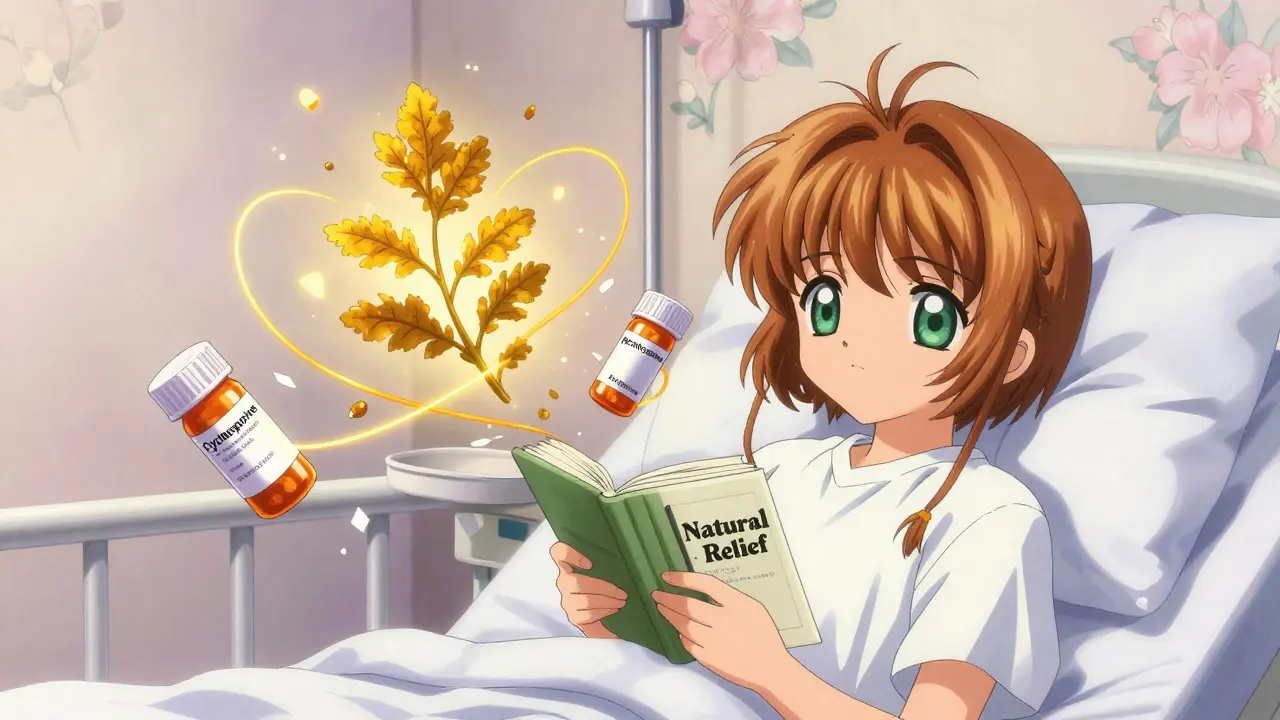
St. John’s Wort might seem like a harmless natural fix for low mood, but it’s not the gentle herb many think it is. Back in 2000, two heart transplant patients had their bodies reject their new organs - not because of infection or rejection meds failing, but because they were taking St. John’s Wort. Their cyclosporine levels dropped so low, their immune systems turned on the transplants. That wasn’t an accident. It was a warning sign that this plant, long used in Europe for mild depression, can quietly sabotage life-saving drugs.
How St. John’s Wort Changes How Your Body Handles Medications
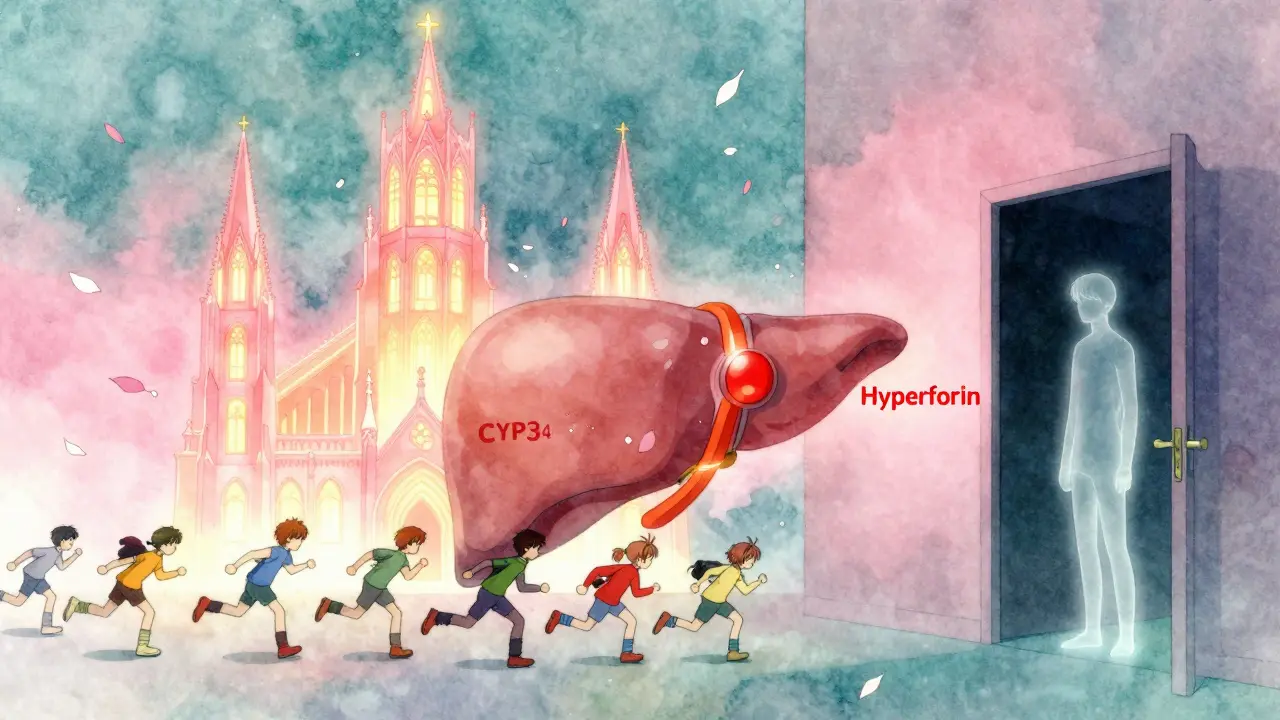
St. John’s Wort doesn’t just sit there. It wakes up enzymes in your liver - especially CYP3A4 - and tells them to work overtime. These enzymes are responsible for breaking down more than half of all prescription drugs. When they’re overworked, your body clears medications too fast. That means the drug never builds up to the level it needs to work. It’s like pouring water into a bucket with a hole in the bottom - no matter how much you add, it never fills.
The main culprit? Hyperforin. This compound, found in standardized St. John’s Wort extracts (usually 2-5% by weight), activates something called the pregnane-X-receptor. That’s the switch that turns on the liver’s drug-processing machinery. And once it’s flipped on, it doesn’t flip off right away. It takes about 10 days to reach full strength, and even after you stop taking the herb, the effects can last two weeks. That’s why people don’t realize what’s happening until it’s too late.
Medications That Can Fail When You Take St. John’s Wort
Over 50 prescription drugs have documented interactions with St. John’s Wort. Some of them are so dangerous, the European Medicines Agency requires warning labels on every product sold in the EU. Here are the big ones:
- Immunosuppressants - Cyclosporine, tacrolimus, sirolimus. These keep transplanted organs alive. If St. John’s Wort lowers their levels, rejection happens. One 2019 case report showed a kidney transplant patient’s tacrolimus level dropped from 12 ng/mL to 3 ng/mL - below the safety threshold - within weeks of starting the herb.
- Antivirals - HIV protease inhibitors like ritonavir and indinavir. These drugs need precise levels to suppress the virus. Lower levels mean the virus can rebound, leading to drug resistance.
- Oral contraceptives - Birth control pills, patches, rings. Women have reported unplanned pregnancies after starting St. John’s Wort. One woman in a 2006 case study had her estrogen levels drop by 40%. The FDA and EMA both warn about this risk.
- Anticoagulants - Warfarin. A 2000 case in the Annals of Internal Medicine showed a patient’s INR (a measure of blood clotting) plummeted from 2.5 to 1.4 in 10 days. That’s like turning off your car’s brakes.
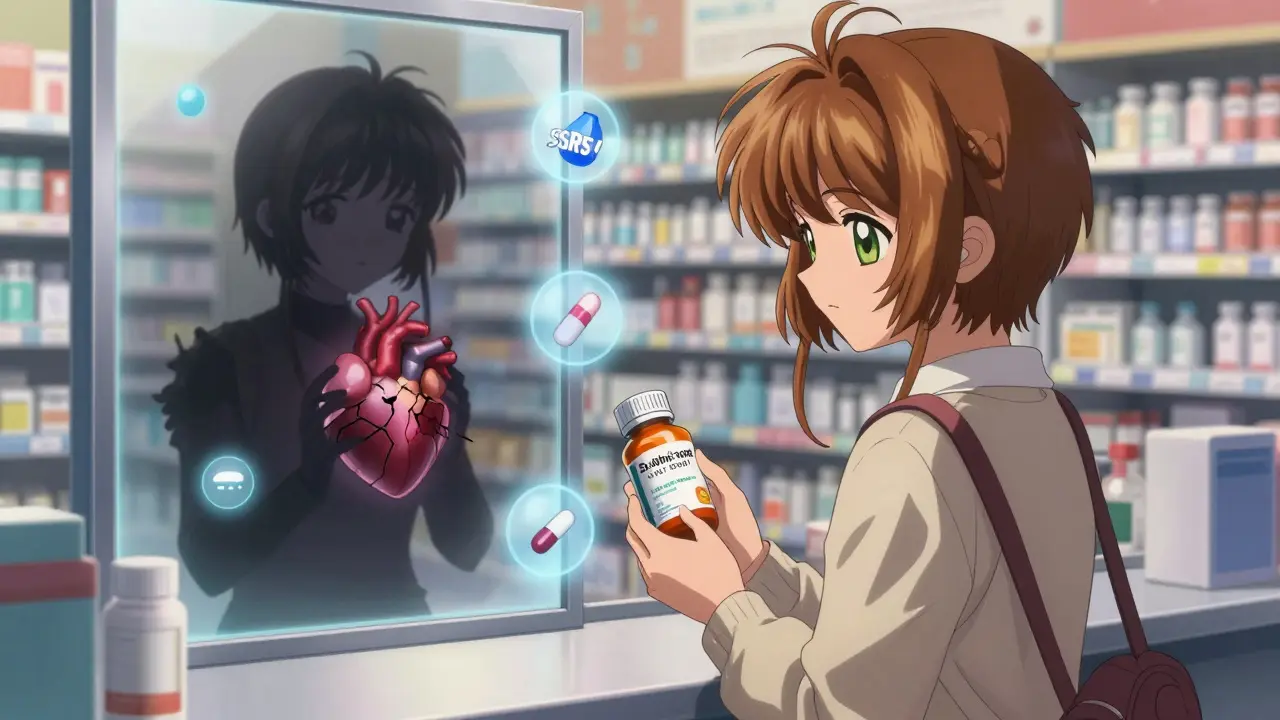
- Antidepressants - SSRIs like sertraline, SNRIs like venlafaxine. Combining them with St. John’s Wort can cause serotonin syndrome - a dangerous spike in serotonin that leads to confusion, rapid heartbeat, fever, and seizures.
- Opioids - Oxycodone, methadone, tramadol. St. John’s Wort can reduce pain relief by up to 50%, according to the Merck Manual. That means people might take more pills, risking overdose.
Why This Isn’t Just a ‘Natural’ Problem
People assume herbal means safe. But St. John’s Wort is more like a prescription drug than a tea. It’s potent, predictable, and powerful. Unlike real medications, it’s not tested for purity, dosage consistency, or interaction risks before hitting shelves. The FDA doesn’t approve supplements - it only steps in after someone gets hurt.
That’s why a 34-year-old woman in 2019 ended up in the hospital after her kidney transplant failed. She was told by a friend that St. John’s Wort helped with her anxiety. She didn’t tell her doctor. Her tacrolimus levels were fine for months - until she started the herb. By the time her body rejected the organ, it was too late.
And it’s not just transplant patients. A 2022 study in Journal of Pharmacy and Pharmacology found that 1 in 4 people taking St. John’s Wort were also on at least one medication with a known interaction. Most didn’t know.
What the Numbers Don’t Tell You
St. John’s Wort sales peaked in 2000 at $940 million globally. By 2022, they’d dropped to $587 million. Why? Because people started dying. Or getting pregnant. Or having seizures. Or losing their transplants.
Still, 4.7% of U.S. adults take it - mostly women between 35 and 54. They’re the ones managing stress, depression, and busy lives. They’re the ones reading online reviews. They’re the ones trusting ‘natural’ over science.
On Drugs.com, 347 people rated St. John’s Wort. 42 said it helped their depression without the side effects of antidepressants. But 17 said it caused unplanned pregnancies. That’s not a trade-off - it’s a gamble with your body.
What You Should Do If You’re Taking It
If you’re on any prescription drug - even something as simple as a blood pressure pill - stop taking St. John’s Wort before you talk to your doctor. Don’t wait for symptoms. Don’t assume your pharmacist knows. Don’t trust a label that says ‘may interact’ - because most don’t list the full list.
Here’s what to do:
- Make a list of every medication, supplement, and herb you take - including vitamins and OTC painkillers.
- Bring that list to your pharmacist. They’re trained to spot interactions. Ask: ‘Could any of these stop my meds from working?’
- If you’re on an immunosuppressant, anticoagulant, or birth control, don’t take St. John’s Wort. Period.
- If you’re using it for depression and you’re not on anything else, talk to your doctor about switching to a safer option - like exercise, therapy, or SAM-e (which has almost no interactions).
- If you’ve already taken it with meds, get your blood levels checked. For drugs like warfarin or cyclosporine, that’s not optional - it’s life-saving.
Alternatives That Actually Work - Without the Risk
St. John’s Wort isn’t the only option for mild depression. SAM-e, for example, has been shown to help mood with almost no drug interactions. It costs about $45 for 60 capsules. 5-HTP is cheaper - around $12 for 120 capsules - and has fewer known risks. Neither triggers CYP3A4.
Therapy, sunlight, regular sleep, and daily movement have more evidence behind them than any supplement. A 2020 Cochrane review found that cognitive behavioral therapy (CBT) works just as well as St. John’s Wort for mild depression - and lasts longer.
If you want a plant-based option, try omega-3s from fish oil. They don’t interfere with meds. They help with brain function. And they don’t cause organ rejection.
The Bottom Line
St. John’s Wort isn’t evil. But it’s not harmless either. It’s a potent biochemical agent that can turn your lifesaving medication into a placebo. The fact that it’s sold on shelves without a prescription doesn’t make it safe - it makes it dangerous.
If you’re taking any prescription drug, especially for your heart, liver, brain, or immune system, don’t take St. John’s Wort. If you’re already taking it, stop. Talk to a pharmacist. Get your levels checked. Your life might depend on it.
Can St. John’s Wort make birth control fail?
Yes. St. John’s Wort increases the breakdown of estrogen and progesterone in the liver, which can drop hormone levels enough to cause ovulation. There are documented cases of women becoming pregnant while on birth control pills and taking St. John’s Wort. The European Medicines Agency and FDA both warn about this risk. If you’re using hormonal birth control, avoid St. John’s Wort completely.
How long does it take for St. John’s Wort to affect other drugs?
It takes about 10 days for St. John’s Wort to fully activate liver enzymes like CYP3A4. That’s why interactions often show up weeks after starting the supplement. Even after you stop taking it, the effects can last up to two weeks. This delay is why many people don’t connect their dropped drug levels to the herb.
Is St. John’s Wort safe if I’m not on any medications?
If you’re not taking any prescription drugs, OTC medications, or other supplements, St. John’s Wort is generally safe for short-term use in mild depression. But it’s not risk-free - it can still cause side effects like dry mouth, dizziness, or increased sun sensitivity. Even then, safer alternatives like therapy, exercise, or omega-3s have stronger long-term evidence and no interaction risks.
Can I take St. John’s Wort with antidepressants?
No. Combining St. John’s Wort with SSRIs, SNRIs, or MAOIs can cause serotonin syndrome - a potentially fatal condition marked by high fever, rapid heartbeat, confusion, muscle rigidity, and seizures. The Mayo Clinic and FDA both warn against this combination. Even if you feel better, the risk isn’t worth it.
Why isn’t St. John’s Wort banned if it’s so dangerous?
In the U.S., the FDA doesn’t regulate supplements the same way it regulates drugs. Supplements don’t need approval before being sold - only after harm is proven. So St. John’s Wort stays on shelves because no one has filed a formal ban. But the EMA in Europe requires warning labels, and many U.S. pharmacists now refuse to sell it to patients on critical meds. The risk is real - the legal loophole is why it’s still available.
Are there safer herbal options for depression?
Yes. SAM-e has shown effectiveness for mild depression with minimal drug interactions. Omega-3 fatty acids from fish oil also support brain health and mood without interfering with medications. Exercise and cognitive behavioral therapy (CBT) are backed by more clinical evidence than any supplement. If you want a natural approach, choose one that doesn’t mess with your liver’s enzyme system.


Beth Beltway
Let’s be clear - this isn’t about ‘natural remedies.’ It’s about people treating herbal supplements like candy while ignoring pharmacokinetics. St. John’s Wort isn’t ‘mild’ - it’s a CYP3A4 bulldozer. The fact that people still buy it without consulting a pharmacist is a systemic failure of public health literacy. You wouldn’t mix Tylenol with alcohol and call it ‘holistic.’ Why is this any different?
Lisa McCluskey
I’ve seen this happen in clinic. A patient on warfarin started St. John’s Wort for ‘anxiety’ - no doctor told her it was risky. INR dropped from 2.8 to 1.2 in two weeks. She almost had a stroke. The herb wasn’t the villain - the lack of education was. Pharmacies need mandatory warning labels at point-of-sale, not just fine print on the bottle.
Russ Kelemen
It’s easy to demonize people who take supplements, but let’s be honest - most aren’t trying to hurt themselves. They’re tired, overwhelmed, and told by influencers that ‘nature knows best.’ The real issue isn’t the herb - it’s the absence of accessible, non-judgmental guidance. We need more integrative care models where pharmacists and therapists work together, not just scold people after they’re in the ER.
Diksha Srivastava
So true! I used to take it for stress - until my cousin told me her friend lost her kidney transplant. That scared me straight. Now I just walk every morning and drink green tea. Simple, safe, and my mind feels clearer. No magic pills needed 😊
Sidhanth SY
India’s got the same problem. People buy St. John’s Wort from Amazon India thinking it’s ‘Ayurvedic’ - it’s not. It’s a North American herb with zero traditional use here. And no one checks for interactions with their TB meds or antihypertensives. We need public service ads in regional languages. Not just English-speaking urbanites need this info.
Adarsh Uttral
bro i took this for like 3 months and my anxiety got better but then i started havin weird heart palpitations. didnt connect it till i read this. now im off it. thanks for the heads up man. also why is this even sold like its a vitamin???
April Allen
The pharmacokinetic data is unequivocal: hyperforin-mediated PXR activation induces CYP3A4 and P-glycoprotein upregulation, resulting in reduced bioavailability of substrates including cyclosporine (AUC ↓ 30–70%), oral contraceptives (Cmax ↓ 20–40%), and warfarin (INR ↓ 30–50%). The 10-day induction window explains delayed clinical presentation. This isn’t anecdotal - it’s evidence-based toxicology. Regulatory inaction is indefensible.
Sheila Garfield
I get why people use it. I used to. I was scared of antidepressants, thought they’d turn me into a zombie. But after I ended up in the ER with a blood clot because my warfarin stopped working, I realized - ‘natural’ doesn’t mean gentle. It just means unregulated. I wish someone had just told me that, nicely, before I almost died.
Shawn Peck
THIS IS WHY WE CAN’T HAVE NICE THINGS. PEOPLE ARE STUPID. THEY THINK HERBS ARE SAFE BECAUSE THEY COME FROM PLANTS. WELL SO IS ARSENIC. AND POISON IVY. STOP BEING LAZY AND GO SEE A DOCTOR. THIS ISN’T A YOGA RETREAT - IT’S YOUR LIFE.
Sarah Blevins
While the clinical evidence for St. John’s Wort interactions is robust, the narrative framing of this article leans heavily into moral panic. The risk is real, but the tone risks alienating the very population it seeks to protect. A more constructive approach would emphasize harm reduction rather than condemnation.
Jason Xin
So let me get this straight - you’re telling me the same people who trust their doctor with a $10,000 prescription won’t trust their pharmacist with a $12 herbal capsule? We’ve created a system where ‘natural’ is a loophole and ‘science’ is a buzzword. The problem isn’t the herb. It’s the culture that lets it exist in this gray zone.
Diana Dougan
lol i took this with my birth control and got preggo. then i blamed my husband. turns out i’m the dumbass who thought ‘herbal’ meant ‘safe’. now i’m a mom of 2 and still buy it for my anxiety. what’s the worst that could happen? 😏
Shubham Dixit
Western medicine is always scared of anything that doesn’t come from a lab. In India, we’ve used herbs for 5000 years. This is just another case of colonial science trying to erase traditional knowledge. You think your CYP3A4 enzyme is the only thing that matters? The body has ways. This article is fear-mongering disguised as science.
KATHRYN JOHNSON
St. John’s Wort is a public health hazard. It should be classified as a Schedule IV drug. No exceptions. No ‘natural’ exemptions. No ‘I didn’t know.’ If it can kill transplant patients, it doesn’t belong on a shelf next to gummy vitamins. Regulate it. Ban it. Or at least require a prescription. This isn’t debate. It’s survival.