
Social Media Education for Patients: Using Digital Platforms to Improve Health Literacy
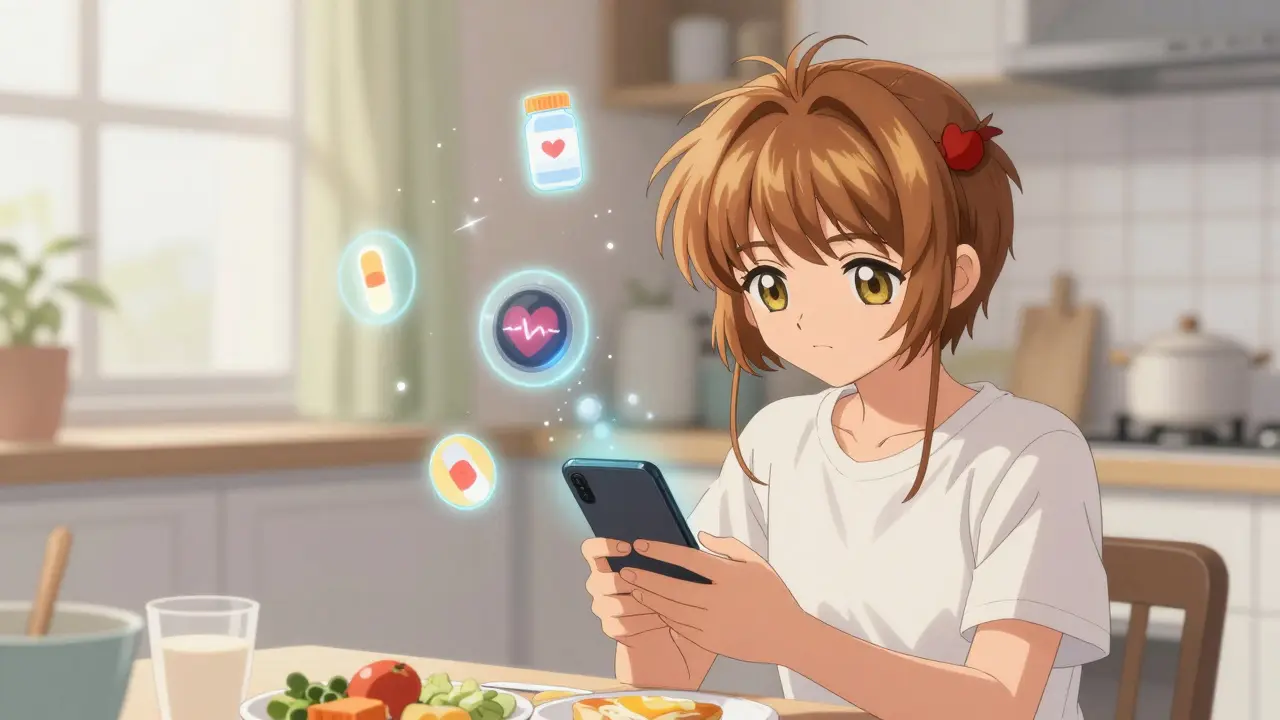
Most patients don’t learn about their conditions from brochures or clinic pamphlets anymore. They scroll through Instagram Reels during their morning coffee, watch YouTube videos on their lunch break, and ask questions in Facebook groups after bedtime. By 2025, social media patient education isn’t just a nice-to-have-it’s the primary way people understand their health. And if your clinic, hospital, or health organization isn’t meeting patients where they are, you’re falling behind.
Why Social Media Works Better Than Brochures for Patient Education
Traditional health materials-printed handouts, static websites, even emailed newsletters-have one big flaw: they’re passive. Patients read them once, maybe forget them, and never return. Social media, on the other hand, is interactive, visual, and constantly updated. A 2025 study from the Australian Health Communication Institute found that patients who engaged with health content on social media were 3.2 times more likely to follow treatment plans than those who only received paper materials.
Why? Because social media mimics how people naturally learn. It’s not about dumping information. It’s about storytelling. A patient with diabetes doesn’t need a 10-page PDF on insulin dosing. They need a 60-second TikTok showing someone preparing a balanced meal, or a Facebook Live Q&A with a dietitian answering real questions from other patients. When content feels personal, relatable, and timely, it sticks.
Which Platforms Actually Work for Patient Education?
Not all platforms are created equal when it comes to health education. Here’s what’s working in 2025:
- Instagram is the top platform for visual health content. Reels showing medication routines, infographics on symptoms, and Stories with clickable links to trusted resources get 2.8x more engagement than Facebook posts. The new Broadcast Channels feature lets clinics send updates to over 10,000 followers at once-perfect for appointment reminders or seasonal health alerts.
- YouTube remains the go-to for in-depth education. Patients watch an average of 15.7 minutes per health video, up from 12.3 minutes in 2024. Tutorials on managing chronic conditions, explainer videos on lab results, and patient journey documentaries perform best. But beware: YouTube’s algorithm changed in early 2025, reducing organic reach for educational content by 18%. Paid boosts or collaborations with health influencers help.
- TikTok is growing fastest. Short videos (15-90 seconds) with captions have a 4.2x higher completion rate than longer formats. A clinic in Melbourne saw a 71% increase in diabetes program sign-ups after launching a series of "My Day With Type 2" videos filmed by actual patients. The key? Authenticity. Patients trust peers more than polished ads.
- Facebook Groups are where communities form. Patients with rare conditions, mental health challenges, or post-surgery recovery needs find support here. A group for postpartum mothers in Victoria grew to 12,000 members in 18 months, with 89% of members saying they felt less isolated because of it.
- LinkedIn is for professionals-not patients. Use it to share research, connect with other providers, or promote continuing education for staff. Don’t waste time posting patient tips here.
What Patients Actually Want to See
It’s not about what you think they should know. It’s about what they’re asking for. A review of 2,300 comments across health-related social posts in 2025 revealed the top five topics patients engage with:
- How to take medications correctly (side effects, timing, interactions)
- What to expect during a procedure or test
- Real stories from others living with the same condition
- How to talk to doctors without feeling rushed
- Where to find affordable prescriptions or support programs
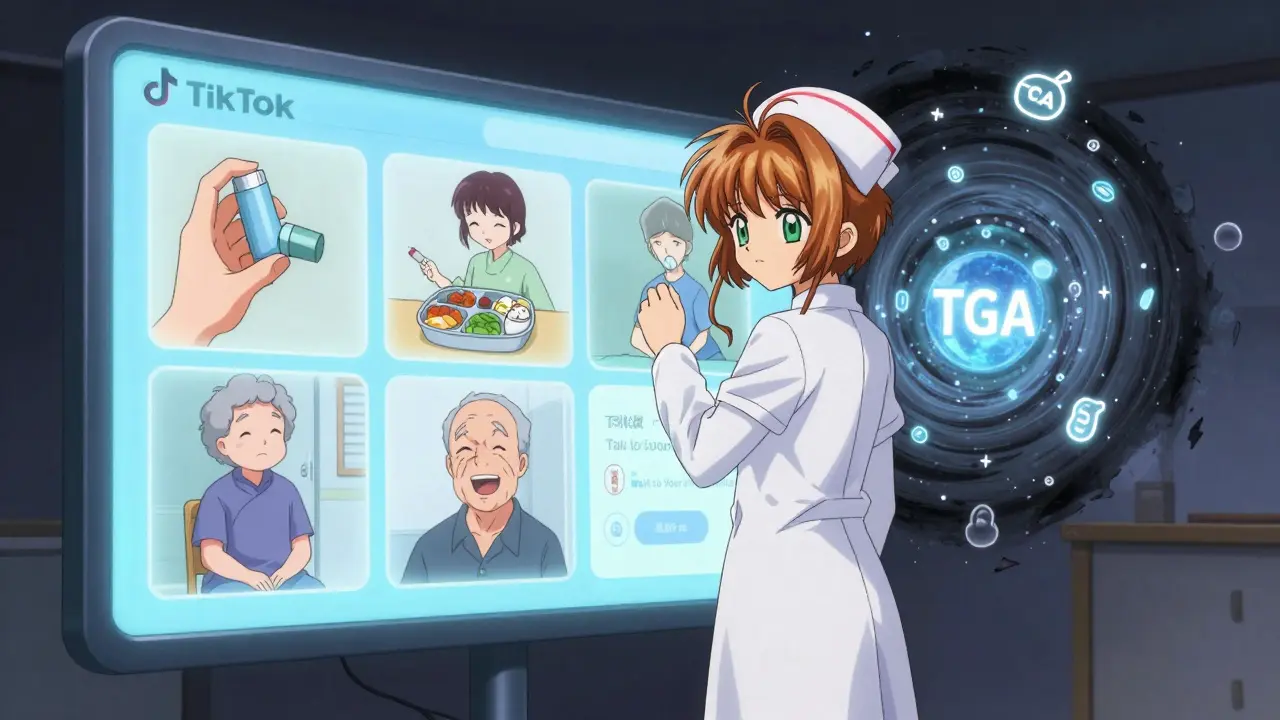
One hospital in Adelaide started posting short videos of nurses walking patients through common procedures-like how to use an inhaler or check blood sugar-with real patients in the background. Engagement jumped 147%. Why? Because it showed the process, not just the instruction.
Common Mistakes Health Organizations Make
Many clinics jump on social media without a plan. Here’s what goes wrong-and how to fix it:
- Mistake: Posting only promotional content. "Come to our clinic!" or "Our new doctor is amazing!" doesn’t build trust. Solution: Follow the 80/20 rule: 80% educational or supportive content, 20% promotional.
- Mistake: Using stock photos of smiling people holding pills. Patients spot inauthenticity instantly. Solution: Use real patient photos (with consent) or simple animations. A hand holding a pill bottle with a shaky grip speaks louder than a staged photo.
- Mistake: Ignoring comments or negative feedback. A single unaddressed comment about a bad experience can derail trust. Solution: Assign one staff member to respond to comments daily. Even a simple "Thanks for sharing-this is something we’re looking into" makes a difference.
- Mistake: Trying to be everywhere. Posting the same content on Instagram, TikTok, and Facebook just wastes time. Solution: Pick 2-3 platforms that match your audience. If you serve older adults, focus on Facebook and YouTube. If you target teens or young adults, prioritize TikTok and Instagram.
How to Get Started (Without Overwhelming Your Team)
You don’t need a marketing team or a big budget. Here’s a simple 4-step plan:
- Choose your platform. Start with one. Instagram Reels or Facebook Groups are easiest for beginners.
- Find your first topic. Pick the most common question patients ask at your clinic. Answer it in a 60-second video.
- Post consistently. Once a week is enough to start. Use a free calendar tool like Google Calendar to schedule posts.
- Ask for feedback. End every post with a question: "What health topic should we cover next?"
One rural clinic in Victoria started with just one staff member posting two Reels a week. Within six months, they saw a 40% increase in patients asking informed questions during appointments. That’s the power of small, consistent efforts.
Protecting Patients: Privacy and Misinformation
With great reach comes great responsibility. Misinformation spreads fast on social media. A 2025 report found 63% of patients had seen false claims about medications or treatments online.
Here’s how to help:
- Always link to trusted sources like the Therapeutic Goods Administration (TGA), HealthDirect, or your hospital’s official site.
- Use clear disclaimers: "This is general info. Always talk to your doctor before changing treatment."
- Don’t share patient stories without written consent. Even if you blur faces, names or details can be identified.
- Report false content. Most platforms have reporting tools for medical misinformation.
Some clinics now run "Myth vs. Fact" series-like "Does sugar cause diabetes?" or "Can antibiotics treat a cold?"-with simple graphics and citations. These posts get shared widely and help combat misinformation before it takes root.
The Future of Social Media in Patient Education
By 2027, AI will suggest personalized health content to patients based on their search history and condition. Imagine getting a TikTok video about managing high blood pressure right after you search for "dizziness after medication." That’s coming.
But the real win won’t be technology-it’ll be trust. Patients aren’t looking for perfect videos. They’re looking for honest ones. They want to know they’re not alone. They want to see someone like them, saying, "I’ve been there. Here’s what helped."
Those are the posts that save lives.
Can social media replace doctor consultations?
No. Social media is for education and support, not diagnosis or treatment. It helps patients understand their conditions, ask better questions, and feel less alone-but it never replaces professional medical advice. Always direct patients to consult their healthcare provider for personal health decisions.
How do I know if social media content is trustworthy?
Look for clear sources: links to government health sites (like TGA or HealthDirect), credentials of the person speaking (e.g., "Registered Nurse, 10 years experience"), and disclaimers that say "This is not medical advice." Avoid posts that promise quick cures, use fear-based language, or don’t cite any sources. When in doubt, check the information against official health websites.
What if a patient shares private health info on our page?
Don’t respond publicly. Send a private message thanking them for sharing and inviting them to contact your clinic directly. Never confirm or comment on a patient’s condition in public. Always follow privacy laws like Australia’s Privacy Act 1988. If the post contains sensitive details, consider removing it and contacting the user to explain why.
Is it worth using TikTok for older patients?
TikTok’s fastest-growing user group isn’t teens-it’s people over 50. In 2025, 41% of Australians aged 55+ used TikTok weekly, up from 18% in 2023. Older patients use it to learn about medications, find support groups, and watch simple exercise routines. If your audience includes seniors, TikTok is worth exploring with short, clear videos and large text.
How do I measure if my social media efforts are working?
Track engagement (likes, shares, saves), comment quality (are people asking thoughtful questions?), and website clicks from your bio or links. But the best metric? Ask patients. Add a simple question to intake forms: "Did you learn anything about your condition from social media?" If 60%+ say yes, you’re on the right track.
Next Steps for Health Providers
Start small. Pick one platform. Pick one common question patients ask. Make a 60-second video answering it. Post it. Watch what happens. Don’t wait for perfection. Patients don’t need polished ads-they need real help. And right now, that’s what’s happening on social media.

John Brown
Finally someone gets it. I work in a clinic and we started posting TikToks of nurses showing how to use inhalers - no fancy lighting, just real people. Engagement shot up. Patients started DMing us with follow-up questions. That’s the win. No brochures needed.
Melissa Taylor
This is exactly what healthcare needs right now. Too many organizations think they have to sound like a textbook. Patients don’t want jargon. They want someone who sounds like them. Real stories. Real struggles. Real solutions. Keep doing this.
Benjamin Glover
Utter nonsense. Social media is a cesspool of misinformation. You’re giving power to influencers with no medical training. This is how people die.
Raj Kumar
Bro, in India we’re seeing this big time. Old ladies watching YouTube videos on diabetes diet, then coming to clinic saying ‘I saw a video about roti portion size’ - and they remember it. No pamphlet ever did that. We’re using WhatsApp voice notes now too. Simple. Works.
Jocelyn Lachapelle
My mom’s 68 and she watches TikTok for arthritis tips. Not because she’s trendy - because it’s the only place she finds real advice that doesn’t sound like a robot. Stop underestimating older folks. They’re not behind. They’re adapting.
RONALD Randolph
WRONG. You’re glorifying unregulated, unvetted, chaotic content. The FDA doesn’t approve TikTok health videos. The AMA doesn’t endorse Instagram Reels. This is dangerous. You’re prioritizing virality over safety. Where’s the oversight? Where’s the accountability?
Christina Bischof
I’m a nurse. We started doing 30-second clips answering the same 5 questions patients ask every day. We didn’t even edit them. Just filmed on our phones. People started commenting ‘I’ve been too scared to ask this’ - and then they’d say thanks. That’s all we needed.
Michelle M
It’s not about replacing doctors. It’s about giving people the language to speak to them. When someone knows what ‘hypertensive urgency’ means because they watched a 90-second video, they don’t feel dumb in the exam room. They feel like a partner. That’s the quiet revolution here.
Lisa Davies
Love this! 🙌 My clinic started a Facebook group for postpartum moms - now we have 3K members. Someone posted about postpartum anxiety and 200 people replied with ‘me too.’ That’s healing. Not a pill. Not a pamphlet. Just… being seen.
Nupur Vimal
you think this is new? weve been doing this since 2018 in bangalore. you just didnt care until americans started making videos. also most of your stats are made up. where is the peer review?
Cassie Henriques
From a clinical informatics standpoint, the data on engagement metrics is solid - but we’re missing the longitudinal outcomes. Are patients actually adhering to meds longer? Are ER visits dropping? We need RCTs before we scale this as a standard of care. Otherwise it’s just anecdotal noise.
Jake Sinatra
Thank you for this thoughtful, evidence-based overview. I’ve presented these findings to our hospital board, and we’re now allocating budget for a dedicated social media educator role. Small steps. Big impact. This is the future of patient-centered care.