
Shingles Vaccine: Who Should Get It and When
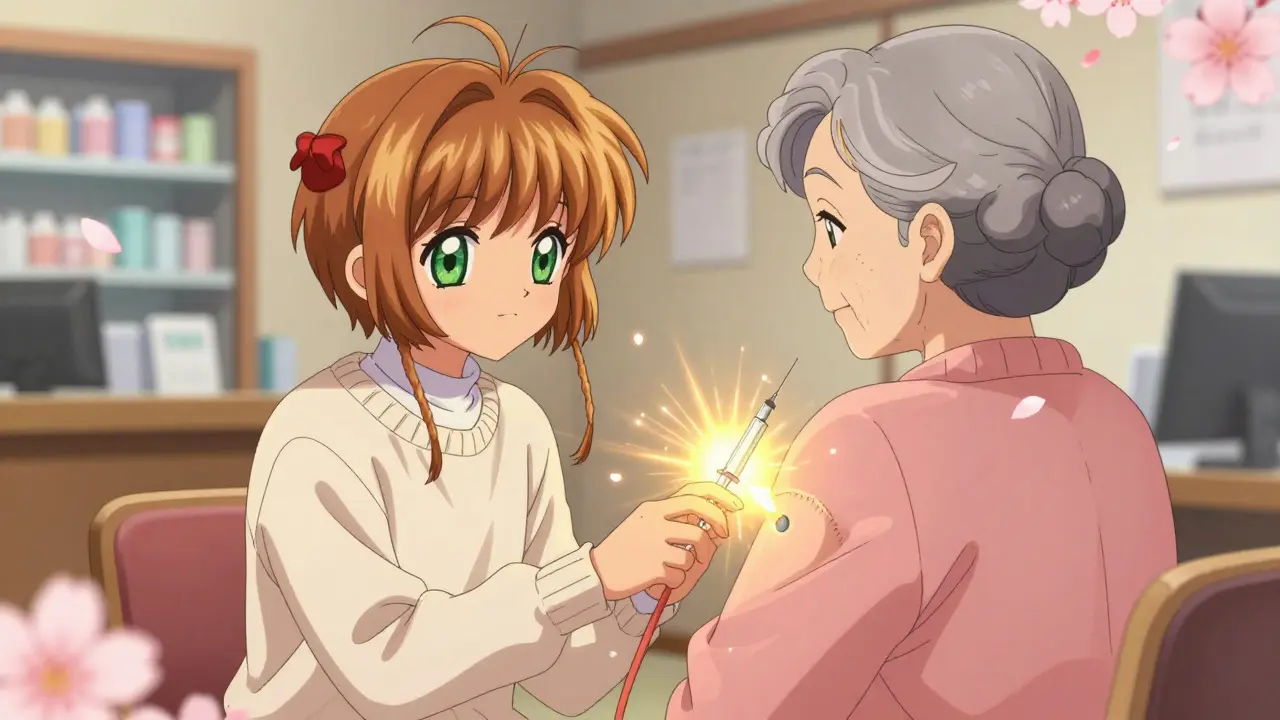
Shingles isn’t just a rash. For many people, it’s months of burning pain, sleepless nights, and a risk of lasting nerve damage called postherpetic neuralgia. The good news? There’s a vaccine that works - really well. And it’s not the old one. The only shingles vaccine available today is Shingrix, and it’s changed everything. If you’re 50 or older, or even younger with a weakened immune system, this vaccine could save you from serious, long-term pain.
Who Needs the Shingles Vaccine?
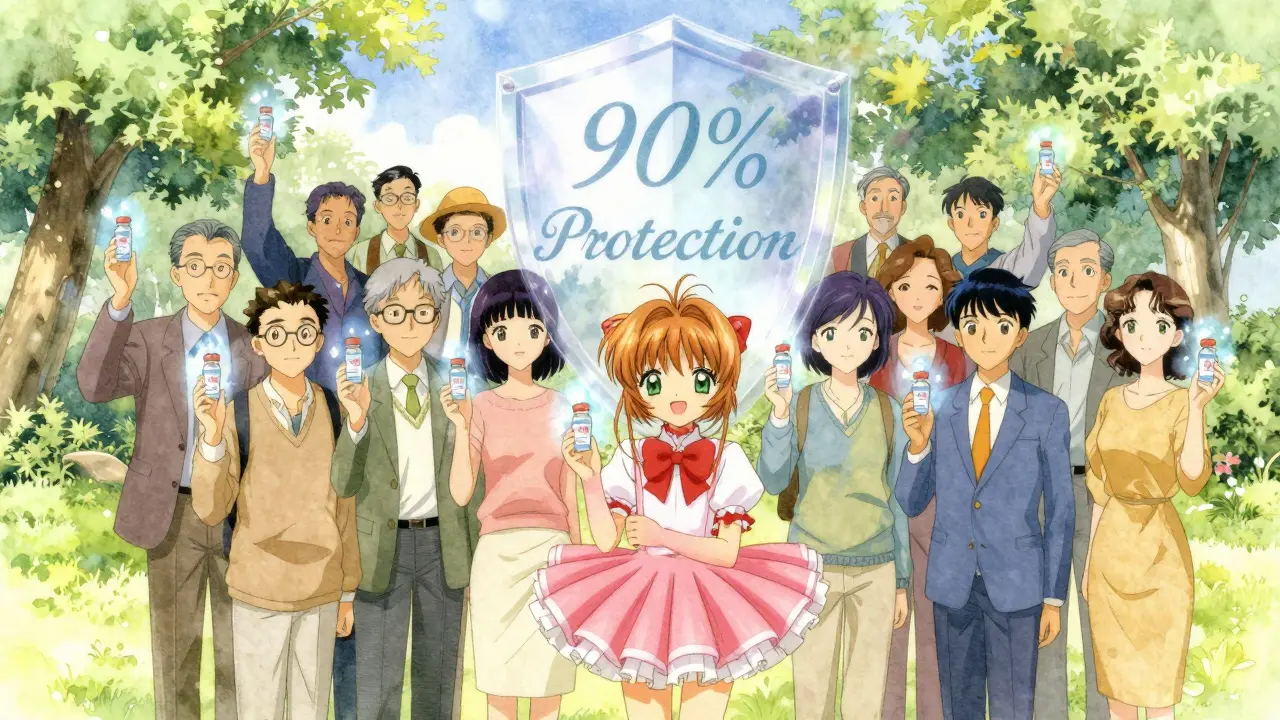
You don’t need to wait until you’re 65. The CDC recommends Shingrix for everyone 50 and older, no matter if you’ve had shingles before or got the old vaccine (Zostavax). That’s because shingles can come back, and the risk keeps climbing as you age. By 85, about one in four people will have had it. Shingrix cuts that risk by more than 90% in the first few years after vaccination.
But here’s the key point: you don’t have to be 50 to get it. If you’re 19 or older and your immune system is weakened - because of cancer treatment, HIV, organ transplants, or long-term steroid use - you’re also a candidate. The old vaccine, Zostavax, was unsafe for these people. Shingrix isn’t. It doesn’t contain any live virus. That’s why it’s safe even for people on immunosuppressants.
Even if you think you’ve never had chickenpox, you should still get it. Almost everyone over 50 had chickenpox as a kid, even if they don’t remember it. The virus hides in your nerves and wakes up later as shingles. So unless you’ve had lab tests confirming you never had the virus (which is rare), assume you’re at risk.
When Should You Get It?
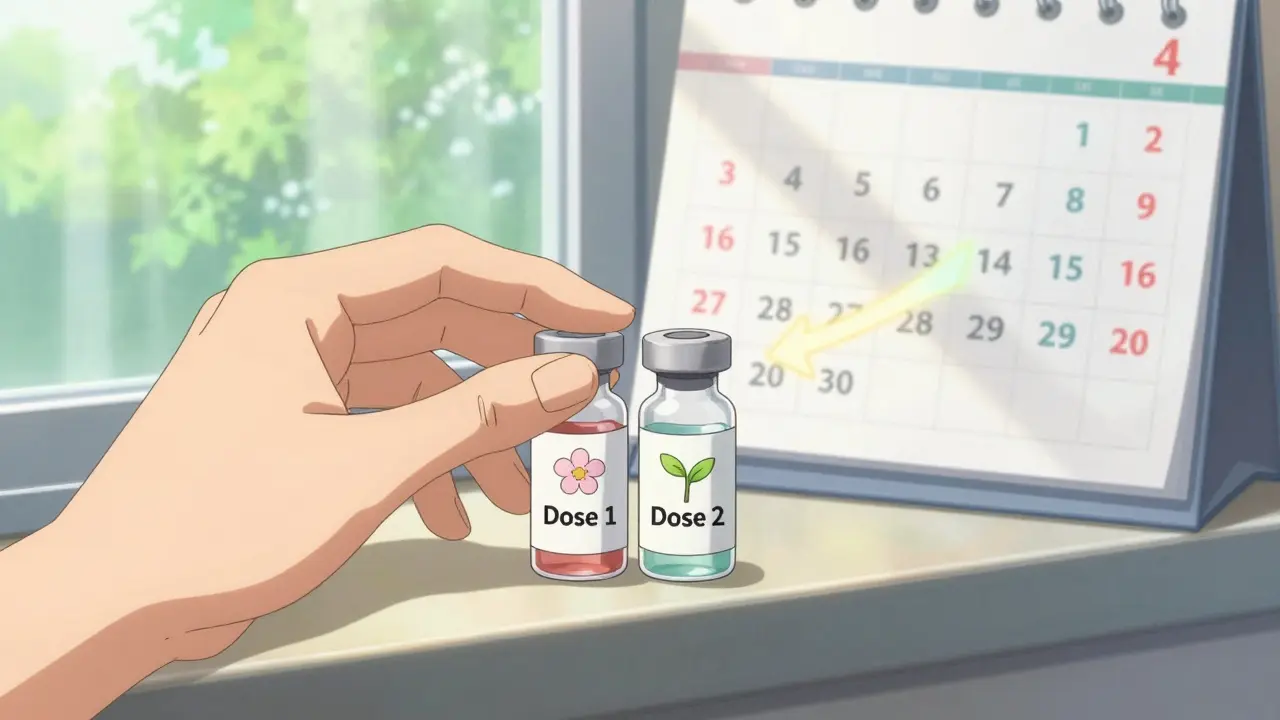
Shingrix isn’t a one-shot deal. It takes two doses. The second shot should come 2 to 6 months after the first. That’s the sweet spot for maximum protection. Waiting longer than six months isn’t a problem - you don’t need to restart the series. Just get the second shot as soon as you can.
For people with weakened immune systems, the rules are a little different. If you’re starting treatment that weakens your immune system - like chemotherapy or a transplant - you can get the second dose as early as one month after the first. The minimum gap? Four weeks. If someone accidentally gets the second shot too soon, they’ll need to repeat it. So make sure your doctor knows your full health picture.
There’s no upper age limit. People in their 80s and 90s still benefit. Studies show Shingrix stays effective for at least seven years in older adults. That’s longer than the old vaccine lasted. And since shingles gets worse with age, getting vaccinated later is still better than not getting it at all.
How Effective Is It?
Shingrix is one of the most effective vaccines we have. In clinical trials, it prevented shingles in over 97% of people aged 50 to 69. For those 70 and older, it still worked in 91% of cases. That’s a huge jump from the old Zostavax vaccine, which only worked about half the time.
But its real win is stopping the worst part: postherpetic neuralgia (PHN). This is the nerve pain that can last months or even years after the rash clears. Shingrix cuts PHN risk by more than 90%. That’s not just comfort - it’s quality of life. One study found that people who got vaccinated were 85% less likely to need long-term pain meds or visit the ER for shingles complications.
And the protection doesn’t fade quickly. Data from 2023 shows that even seven years after the second dose, people over 70 still had strong immunity. That’s why experts now say: get it once, get it right, and don’t worry about boosters - for now.
What Are the Side Effects?
Yes, Shingrix can make you feel awful - for a day or two. About 78% of people get pain, redness, or swelling at the injection site. Nearly half feel muscle aches. One in three gets tired. Headaches? Common. Fever? Happens. These aren’t signs the vaccine isn’t working - they’re signs your immune system is responding.
Most side effects peak within 24 to 48 hours and fade by day three. That’s why doctors recommend not scheduling important events - like a wedding, job interview, or long trip - right after your shot. If you’ve had a bad reaction before, you might want to plan a quiet weekend after vaccination.
Compare that to the old vaccine, Zostavax. It had milder side effects, but it also didn’t work as well. Shingrix’s side effects are temporary. Shingles pain can be permanent. That trade-off is why millions have chosen to get it.
Cost and Insurance
In the U.S., Medicare Part D covers Shingrix, but not Part B. That means you’ll likely pay out-of-pocket at the pharmacy unless your plan has full coverage. In 2024, the average cost per dose was $185. Some plans charge less. Others charge more. Always check with your insurer before you go.
Private insurance usually covers it too, but coverage varies. If you’re under 65 and on a private plan, call your provider. Some employers offer it for free through workplace wellness programs. Community health centers often give discounts or sliding-scale pricing.
And here’s something important: even if you paid for the first dose, you should still get the second. The protection isn’t complete without both. A 2024 study found that over a third of people never came back for the second shot. That’s a waste of money and protection.
What About People With Chronic Conditions?
People with diabetes, heart disease, or lung conditions are at higher risk for shingles complications. The American Association of Clinical Endocrinology specifically recommends Shingrix for adults with diabetes. Why? Because high blood sugar weakens the immune system, making shingles more likely and more severe.
Same goes for people on long-term steroids, chemotherapy, or biologics. Shingrix is safe for them. In fact, it’s one of the few vaccines that’s not just safe - it’s recommended. The CDC has clear guidelines for these groups. Talk to your doctor about timing. If you’re starting immunosuppressive therapy, get vaccinated at least two weeks before if possible.
Even if you’ve had an organ transplant, you can get Shingrix - as long as you’re at least two months post-transplant and stable. Again, no live virus. No risk of triggering the disease.
What If You Already Had Shingles?
You still need the vaccine. Having shingles once doesn’t protect you from getting it again. In fact, the risk of a second outbreak is real - especially if you’re older or immunocompromised. The CDC says wait until the rash is fully gone before getting vaccinated. That usually takes two to four weeks. No need to wait a year. Just make sure the skin is healed.
One woman in her late 60s got shingles in 2022. She waited six months, then got Shingrix. In 2024, she told her doctor: "I thought I was safe. Now I know I wasn’t." She’s glad she got vaccinated.
Where Can You Get It?
You don’t need a doctor’s appointment. Pharmacies like CVS, Walgreens, Rite Aid, and many independent pharmacies offer Shingrix. Most have trained pharmacists who can give the shot. Some even send reminders for the second dose.
If you’re on Medicare, you can get it at any pharmacy that accepts Medicare Part D. Just bring your card. If you’re under 65, check with your primary care provider or local health department. Many public clinics offer it for free or low cost.
Don’t let confusion stop you. Shingrix is now the only option. Zostavax is gone. So if someone tells you to get the old vaccine, they’re giving outdated advice.
What’s Next?
Researchers are working on a single-dose version of Shingrix. Early trials are promising. If it works, it could boost uptake - no second visit needed. But until then, stick with the two-dose schedule.
More doctors are now talking about vaccination at age 50, not 65. That’s because shingles risk starts rising sharply in your 50s. Waiting until Medicare eligibility means missing years of protection. If you’re 50 or older, now is the time.
And here’s the bottom line: if you’ve lived this long, you’ve earned the right to avoid years of nerve pain. The vaccine works. The side effects are short. The risk of shingles? Real. Don’t wait for the rash to show up. Protect yourself before it starts.
Do I need the shingles vaccine if I’ve had chickenpox?
Yes. Almost everyone over 50 had chickenpox as a child, even if they don’t remember it. The virus stays in your nerves and can reactivate as shingles later in life. Getting the vaccine helps prevent that reactivation.
Can I get Shingrix if I’m immunocompromised?
Yes. Unlike the old Zostavax vaccine, Shingrix doesn’t contain live virus. It’s safe for people with weakened immune systems due to cancer, HIV, transplants, or long-term steroids. The CDC recommends it for adults 19 and older in this group.
How long does Shingrix protection last?
Studies show protection lasts at least seven years in people aged 70 and older. For those under 70, data suggests strong protection for at least 10 years. There’s no current recommendation for a booster, but ongoing research may change that.
What if I miss my second dose?
Don’t panic. If you miss the 2-6 month window, just get the second dose as soon as you can. You don’t need to restart the series. The vaccine still works, even if you’re late. But don’t wait years - the longer you wait, the more risk you’re taking.
Is Shingrix covered by Medicare?
Yes, but only under Medicare Part D (prescription drug plans), not Part B. Coverage varies by plan. Some have $0 out-of-pocket costs. Others require a copay. Always check with your plan before getting vaccinated.
Can I get Shingrix at the same time as other vaccines?
Yes. Shingrix can be given at the same time as flu, pneumonia, or COVID-19 vaccines. Just use different arms. Studies show no interference in effectiveness or increased side effects when given together.
Why was Zostavax discontinued?
Zostavax was discontinued in 2020 because Shingrix is far more effective. Zostavax offered only about 51% protection, and its effectiveness dropped sharply after a few years. Shingrix provides over 90% protection and lasts much longer. It’s also safer for immunocompromised people.
Is there a single-dose shingles vaccine coming?
Yes. GSK is testing a single-dose version in Phase II trials. If approved, it could simplify vaccination and improve coverage. But it’s not available yet. For now, the two-dose Shingrix schedule remains the standard.
Next Steps
If you’re 50 or older, call your pharmacy today. Ask if they have Shingrix in stock. Schedule your first shot. Then set a reminder for the second - six months from now. If you’re under 50 but have a chronic condition or take immune-suppressing drugs, talk to your doctor. You might qualify now.
Don’t wait for pain to start. Shingles doesn’t give warnings. The vaccine does. And it works.

Oliver Calvert
Shingrix is the real deal. I got it at 52 after my uncle ended up in the hospital with PHN. Two days of sore arm and fatigue, then back to normal. No more nightmares about nerve pain. If you're over 50, just do it. It's not a suggestion, it's a shield.
Geoff Forbes
Ugh. I can't believe people still fall for this vaccine marketing. I mean, shingles is just a glorified herpes outbreak. And don't get me started on the side effects-half the people who get it are bedridden for two days. Maybe we should just accept aging as it is. Also, typo: 'immunosuppresants'.
Jonathan Ruth
Let me cut through the noise. Zostavax was garbage. Shingrix is a medical marvel. 97% efficacy in 50-69? That's better than most flu shots. And yes, the side effects suck-but so does shingles. You think a 3-day headache is bad? Try living with pain that lasts 18 months. I've seen it. I've held my mom's hand through it. Get the damn vaccine. No debate.
Haley DeWitt
This is so important!! I just got my second dose last week and I feel like a superhero 🛡️💪 My dad had shingles last year and it broke my heart-he couldn’t even sleep. I’m so glad I didn’t wait. Seriously, if you’re on the fence, just do it. Your future self will thank you 😊
John Haberstroh
I used to think vaccines were just corporate hype until I got Shingrix. Now I see it like a seatbelt for your nervous system. You don’t wear it because you expect a crash-you wear it because you know crashes happen. And yeah, the arm hurts like hell for a day. But hey, that’s the sound of your immune system throwing a victory party. I got mine at Walgreens. The pharmacist gave me a high-five. Best vaccine experience ever.
Logan Hawker
Let’s be real-this whole thing is a pharmacological circus. The CDC recommends it at 50? That’s not science, that’s industry lobbying. And don’t even get me started on the cost. $370 for two shots? In a country where insulin is $300, this is obscene. Also, why isn’t there a single-dose option yet? Lazy pharma. Also, the word ‘neuralgia’ is overused here.
James Lloyd
As someone who works in geriatric care, I’ve seen too many patients suffer needlessly. Shingrix is one of the few interventions that dramatically reduces long-term suffering. The data is solid. The side effects are transient. The benefit is profound. I’ve recommended it to every patient over 50 since 2020. No exceptions. It’s not a gamble-it’s a guarantee of peace.
Digital Raju Yadav
Why are Americans so obsessed with vaccines? In India, we don’t need this. We have natural immunity. Your healthcare system is broken. You over-medicalize everything. Shingles is just a rash. Let nature take its course. Why spend money on this when people can’t afford food? This is Western nonsense.
Adam Short
Shingles? More like shingles horror story. My neighbor, 78, spent six months in pain so bad he cried in public. He didn’t get the vaccine. Now he’s on morphine. This isn’t optional. This is survival. And if you think side effects are bad-try living with a nerve that screams every time you breathe. I’m telling you: get it. Now. Before it’s too late.
Sam Pearlman
Wait, so if I got shingles last year, I still need the vaccine? But I already had it! That’s like getting a fire extinguisher after your house burned down. Doesn’t that feel weird? Also, can I get it with my flu shot? I’m lazy. I want to do it all at once. Someone explain this like I’m five.
Steph Carr
Here’s the thing: we treat aging like a glitch to be fixed. But shingles? It’s not a glitch-it’s a whisper from your body saying, ‘Hey, you’ve lived long enough. Now let’s see how you handle pain.’ The vaccine doesn’t erase aging. It just lets you age without being tortured. And honestly? That’s not medical innovation. That’s basic dignity.
Brenda K. Wolfgram Moore
I’m 53 and got both doses last year. No complications. No regrets. My mom had shingles at 68 and lost sensation in half her face. I refused to let that happen to me. If you’re thinking about it, stop thinking. Just go. Pharmacies have it. Insurance covers it. Your future self is begging you to do this.
Philip Blankenship
So I got my first dose last month. Felt like I got hit by a truck for 36 hours. My wife made me watch cat videos and drink ginger tea. I was mad. But then I remembered my cousin who got shingles and couldn’t wear a shirt for six months because his skin was raw. So I got the second dose. No regrets. Honestly? I’d rather be sore for two days than in agony for two years. Also, the pharmacist asked if I wanted to schedule my second dose. That was nice. I didn’t even have to ask. They just did it. That’s service.
Kancharla Pavan
You people act like this is some miracle cure. But let me tell you something-most people who get shingles are already on multiple medications. They’re already weak. The vaccine doesn’t fix their lifestyle. They eat junk, sit all day, stress out over nonsense. You can’t vaccinate against poor choices. And now we’re pushing this on everyone over 50? What about prevention? Exercise. Sleep. Less sugar. Why not preach that instead of selling vials? This is just another way to profit off fear.