
OTC Sleep Aids: What They Really Do, Their Risks, and How to Use Them Safely
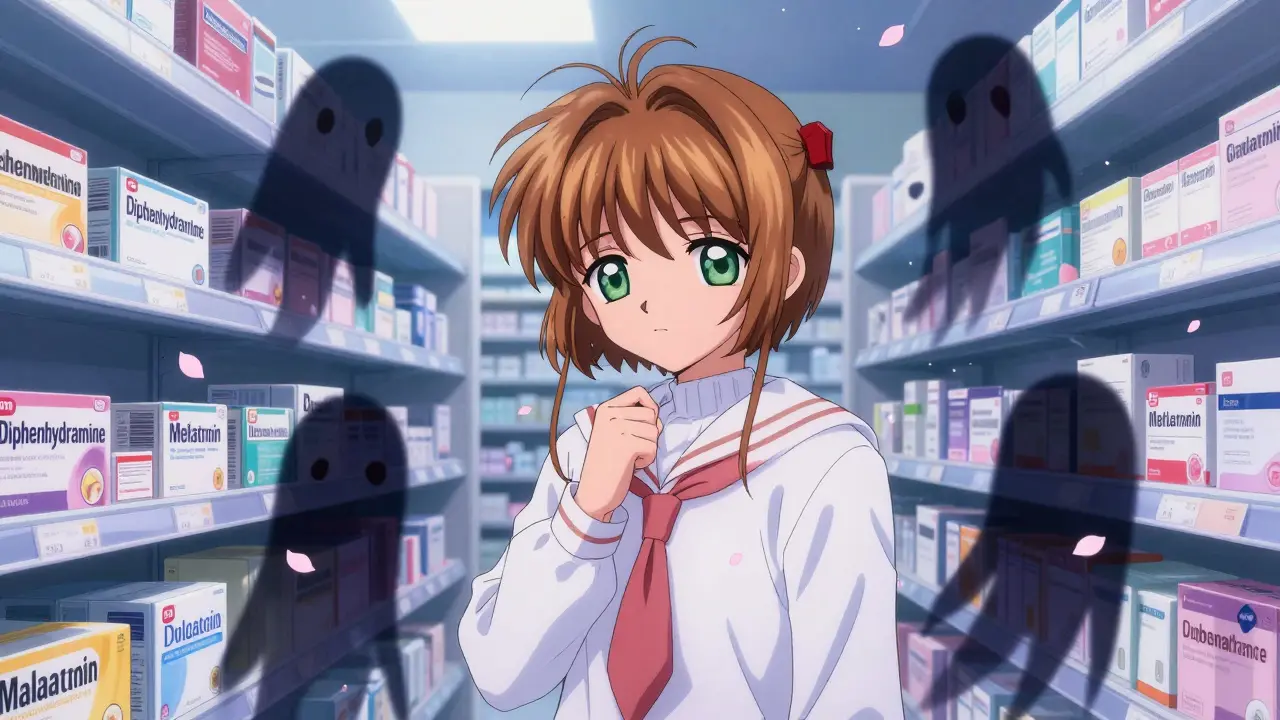
More than 1 in 3 adults in Australia struggle with sleep at least a few nights a week. When that happens, it’s easy to reach for an OTC sleep aid-something you can grab off the pharmacy shelf without a prescription. But just because it’s available without a doctor’s note doesn’t mean it’s safe to use casually. These products promise quick fixes, but the truth is more complicated. Some work briefly. Others leave you groggy, confused, or even at risk for long-term harm.
What’s Actually in OTC Sleep Aids?
Most OTC sleep aids fall into two buckets: antihistamines and supplements. The most common antihistamines are diphenhydramine and doxylamine. You’ll find them in brands like Benadryl, Sominex, Nytol, and Unisom SleepTabs. These drugs were never meant to help you sleep-they’re designed to treat allergies. But one side effect? Drowsiness. That’s why they ended up in sleep products.
The other big group is supplements, mostly melatonin. Unlike antihistamines, melatonin is a hormone your body naturally makes to signal it’s time for bed. Supplements try to mimic that signal. You’ll also see valerian root and chamomile on labels, but there’s very little solid evidence they help most people sleep better.
Here’s the catch: melatonin supplements aren’t regulated like real medicines. A 2017 study tested 31 popular brands and found some contained as little as 17% of the melatonin listed on the label. Others had nearly five times more. That’s not a typo. One pill might have 0.5mg, another might have 2.4mg-even if both say “3mg.” You’re guessing every time.
Do They Actually Work?
Let’s be honest: the results are underwhelming. According to clinical trials reviewed by the American Academy of Sleep Medicine, OTC sleep aids reduce the time it takes to fall asleep by just 3 to 13 minutes. They add about 20 to 60 minutes of total sleep. For most people, that’s not enough to feel rested the next day.
People who swear by diphenhydramine often say it works when they’re stressed or jet-lagged. Reddit users report falling asleep in 20 minutes after a tough day. That’s real. But that’s not the same as fixing chronic insomnia-which affects about 10% of adults. For long-term sleep problems, these products don’t fix the root cause. They just mask it.
And here’s the problem: when you stop using them, sleep often gets worse. About 30% of people who use OTC sleep aids for more than two weeks experience rebound insomnia. That means you end up needing them just to get back to where you started.
The Hidden Risks: What No One Tells You
Antihistamine-based sleep aids like diphenhydramine are anticholinergic drugs. That’s a fancy term for “things that block signals in your brain and body.” In the short term, that means dry mouth, blurred vision, constipation, and trouble peeing. For men with prostate issues, that last one can be serious.
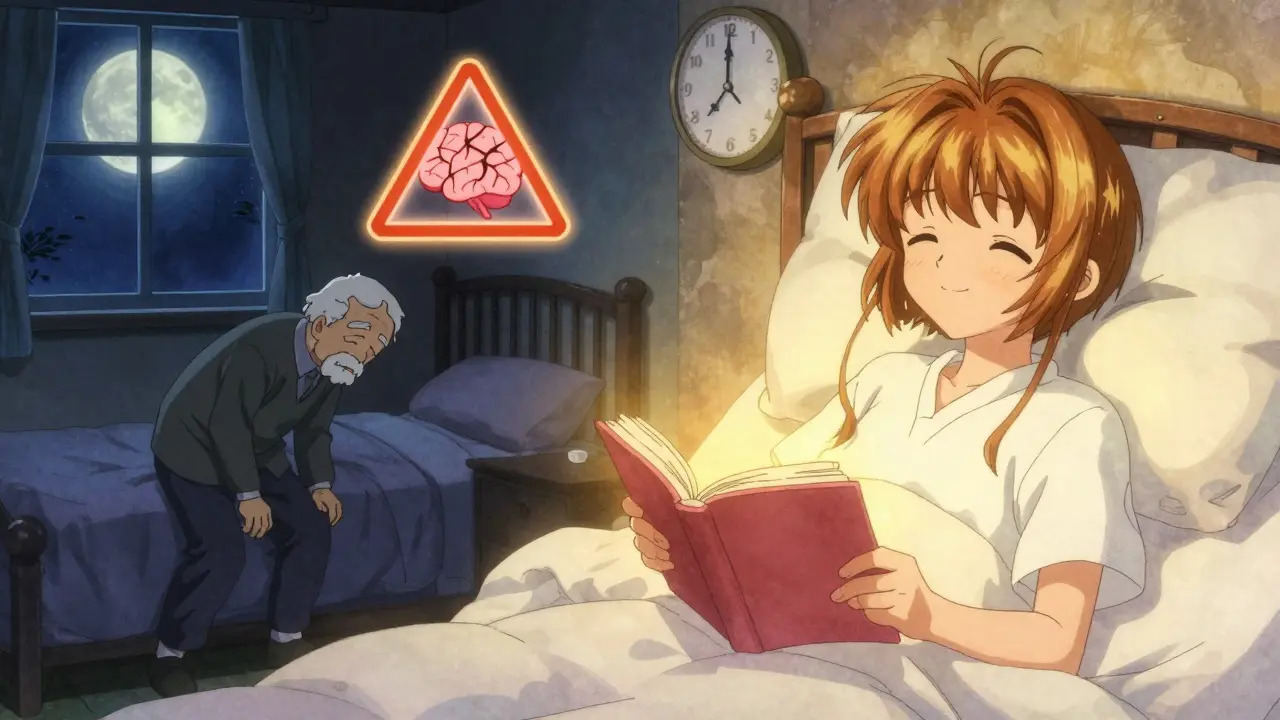
But the real danger shows up over time. A 2015 study tracking over 3,400 people for more than seven years found that long-term use of these drugs was linked to a 54% higher risk of dementia. The risk goes up the longer you take them. That’s not a small number. It’s a red flag.
Older adults are especially vulnerable. The Beers Criteria-used by doctors in Australia and the U.S. to flag unsafe meds for seniors-lists diphenhydramine as a medication to avoid in people over 65. Why? Because it increases the chance of falls by 50%. One stumble, one hip fracture, and your life changes forever.
Melatonin sounds safer, but it’s not harmless. A 2022 review found that 45% of users feel groggy the next day. One in three gets headaches. Two out of three report weird, vivid dreams-or nightmares. Higher doses (over 5mg) make nausea, dizziness, and nighttime waking more likely. And yes, kids who take it can end up wetting the bed.
The NHS warns that melatonin can cause pain in your arms or legs. If it doesn’t go away in a few days, you need to stop. Most people don’t know that.
Who Should Avoid These Completely?
If you have sleep apnea, don’t touch these. OTC sleep aids relax your throat muscles, which can make breathing interruptions worse during the night. That’s dangerous.
Pregnant women should avoid them too. Diphenhydramine is labeled as Category B-meaning no proven harm, but not enough studies to say it’s safe. Melatonin? There’s almost no data. The NIH says it’s best to skip it.
People on other medications need to be careful. Antihistamines can interact with antidepressants, blood pressure meds, and even some painkillers. Melatonin can interfere with diabetes drugs and blood thinners. Always check with a pharmacist before mixing anything.
How Long Is Too Long?
The FDA says: don’t use antihistamine sleep aids for more than two weeks straight. The Cleveland Clinic agrees. So does the Sleep Foundation. But here’s the kicker: a 2022 survey found that 38% of users take them longer than that. Nearly 1 in 5 use them for more than a month.
That’s not just ineffective-it’s risky. Tolerance builds fast. If you take melatonin daily for more than 10 days, about 25% of people start needing more to get the same effect. That’s how dependence starts.
For melatonin, the European Food Safety Authority says 1mg is enough for most adults. Higher doses don’t help. They just increase side effects. Yet most bottles sold in Australia and the U.S. contain 3mg, 5mg, or even 10mg. You’re overdosing before you even start.
What Should You Do Instead?
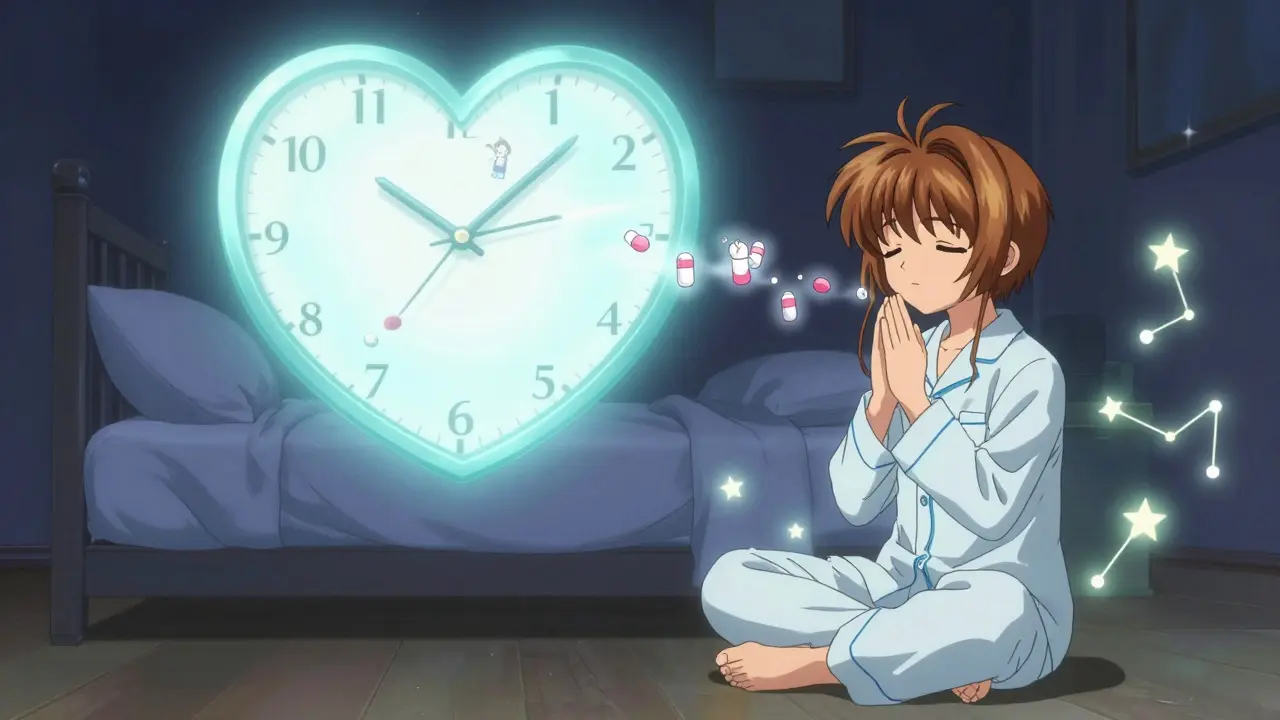
The best treatment for chronic insomnia isn’t a pill. It’s Cognitive Behavioral Therapy for Insomnia-or CBT-I. It’s not magic. It’s structured. You learn how to fix thoughts and habits that keep you awake. Studies show it works for 70-80% of people. And the benefits last. Unlike pills, it doesn’t wear off.
Real changes make a difference:
- Get up at the same time every day-even on weekends.
- Keep your bedroom cool, dark, and quiet.
- Avoid screens for at least an hour before bed.
- Don’t lie in bed awake for more than 20 minutes. Get up, read under dim light, then try again.
- Limit caffeine after 2pm. Even chocolate can interfere.
These aren’t quick fixes. But they’re the only ones that actually fix sleep.
The Bottom Line
OTC sleep aids might help once or twice-maybe when you’re traveling or after a big stressor. But they’re not a solution. They’re a Band-Aid on a broken bone.
The risks add up: dizziness, confusion, falls, memory problems, rebound insomnia. The benefits? Tiny. A few extra minutes of sleep. That’s not worth the trade-off.
If you’ve been using one for more than two weeks, it’s time to talk to someone. A GP, a sleep specialist, or even a pharmacist can help you find safer, longer-lasting ways to sleep well. You don’t need to live with insomnia. And you don’t need to risk your health for a temporary fix.
Real sleep isn’t bought at the pharmacy. It’s built-with routine, patience, and the right support.
Are OTC sleep aids safe for long-term use?
No. Antihistamine-based sleep aids like diphenhydramine and doxylamine are not safe for long-term use. Studies link them to increased dementia risk, especially in older adults. Melatonin, while not addictive, can cause next-day drowsiness, headaches, and vivid dreams. Both can lead to rebound insomnia if used for more than two weeks. Medical guidelines recommend using them only for short-term, occasional sleep issues.
What’s the safest OTC sleep aid?
There’s no truly safe OTC sleep aid for regular use. But if you must use one occasionally, melatonin in low doses (0.5mg to 1mg) is the least risky option for short-term issues like jet lag. Avoid antihistamines, especially if you’re over 65, have prostate issues, or take other medications. Always start with the lowest dose and use it no more than a few nights a week.
Can melatonin cause addiction?
Melatonin isn’t addictive in the way drugs like benzodiazepines are. But your body can become reliant on it. About 25% of people who take melatonin daily for more than 10 days find they can’t sleep without it. That’s not addiction-it’s tolerance. Your brain starts to expect the external signal and may reduce its own melatonin production. Stopping suddenly can make sleep harder for a few days.
Why do OTC sleep aids make me feel groggy the next day?
Antihistamines linger in your system longer than your body needs them to help you sleep. They don’t wear off at the same rate as your natural sleep cycle. That’s why you feel foggy, slow, or uncoordinated the next morning. Melatonin can cause this too, especially at doses above 3mg. The higher the dose, the longer it stays in your blood-leading to daytime drowsiness in nearly half of users.
What should I do if I’ve been using OTC sleep aids for months?
Stop using them gradually and talk to your doctor. Abruptly stopping antihistamines can cause withdrawal-like symptoms, including rebound insomnia. Your doctor can help you switch to safer strategies like CBT-I, which has been shown to be more effective than medication long-term. Don’t feel embarrassed-this is common. Many people use these products longer than they should because they don’t know there are better options.

Juan Reibelo
I’ve used diphenhydramine for years-just once in a while, I swear. But last month, I woke up at 3 a.m. with my heart pounding, and I couldn’t move my tongue right. Took me 45 minutes to get up and drink water. That’s when I realized: I’m not sleeping. I’m sedated. And it’s not worth it.
Now I stick to 0.5mg melatonin, max. And I read for 20 minutes before bed. No screens. No excuses. My sleep’s still not perfect-but at least I’m not hallucinating my cat talking to me.
Sharon Biggins
you guys are so hard on otc sleep aids. i get it, the science is scary. but sometimes you just need a little help to get through a rough patch. i used melatonin for 3 nights after my dad passed. it let me breathe again. that’s not weakness. that’s survival.
and honestly? i’d rather take a tiny risk than lie there for hours staring at the ceiling. we’re all just trying to make it to morning.
John McGuirk
they dont want you to know this but the pharma companies put antihistamines in sleep meds because they know youll get hooked and then they sell you antidepressants for the anxiety you get from withdrawal. its all connected. the same people who make your blood pressure pills make your sleep pills. theyre not trying to help you. theyre trying to keep you buying.
and melatonin? its not even natural. its lab made. they just call it natural because it sounds better on the bottle. same as all the other lies.
Michael Camilleri
you people are so obsessed with quick fixes you dont even see the real problem. you dont need melatonin you need discipline. you dont need diphenhydramine you need to stop scrolling at 1am. you dont need a pill you need to stop treating your brain like a broken phone you just plug in and charge
the truth is youre addicted to distraction not insomnia. and no pharmacy can fix that. only you can. and most of you are too lazy to even try
lorraine england
okay but like… i tried cbt-i and it felt like homework. i had to keep a sleep journal and track my caffeine and do breathing exercises. it was exhausting. i just wanted to sleep. so i took a pill. and it worked. for like three nights. then i felt guilty. then i took another. now i’m here.
im not saying its right. im just saying… i get it. we’re all just trying to survive the modern world.
Phil Maxwell
just wanted to say i switched to magnesium glycinate and it’s been way better than anything i’ve tried. no grogginess. no weird dreams. just… quieter mind. took me a month to notice but now i dont even think about pills anymore.
also cold shower before bed. weird but true.
Shelby Marcel
wait so melatonin is unregulated?? like how is that legal?? i thought all pills had to be tested?? i just bought a 5mg bottle last week… i hope i didnt just poison myself
Josh McEvoy
imagine being so desperate for sleep you trust a bottle from a gas station 💀
also why do we still think ‘natural’ means safe?? 🤡
my grandma took benadryl for 12 years. she forgot my name. she fell twice. she died at 78. it wasnt the heart thing. it was the pills.
Heather McCubbin
the fact that we treat sleep like a broken lightbulb you just replace with a new one says everything about how broken our society is. we dont fix our lives we just drug ourselves into silence
you think you’re sleeping but you’re just numbing. and when you wake up you’re still the same tired person. just with a dry mouth and a headache
Shanta Blank
they don’t want you to know this but the FDA knew about the dementia link since 2012. they just sat on it. because if they banned these pills, people would panic. and panic means lawsuits. and lawsuits mean money. so they let us keep buying poison labeled as ‘help’
you think you’re safe because it’s ‘over the counter’? honey. the most dangerous things are the ones you can buy without asking questions.
and melatonin? it’s not a vitamin. it’s a hormone. you wouldn’t just dump estrogen into your body because you’re tired. why is this any different?