
Multiple Drug Overdose: How to Manage Complex Medication Emergencies
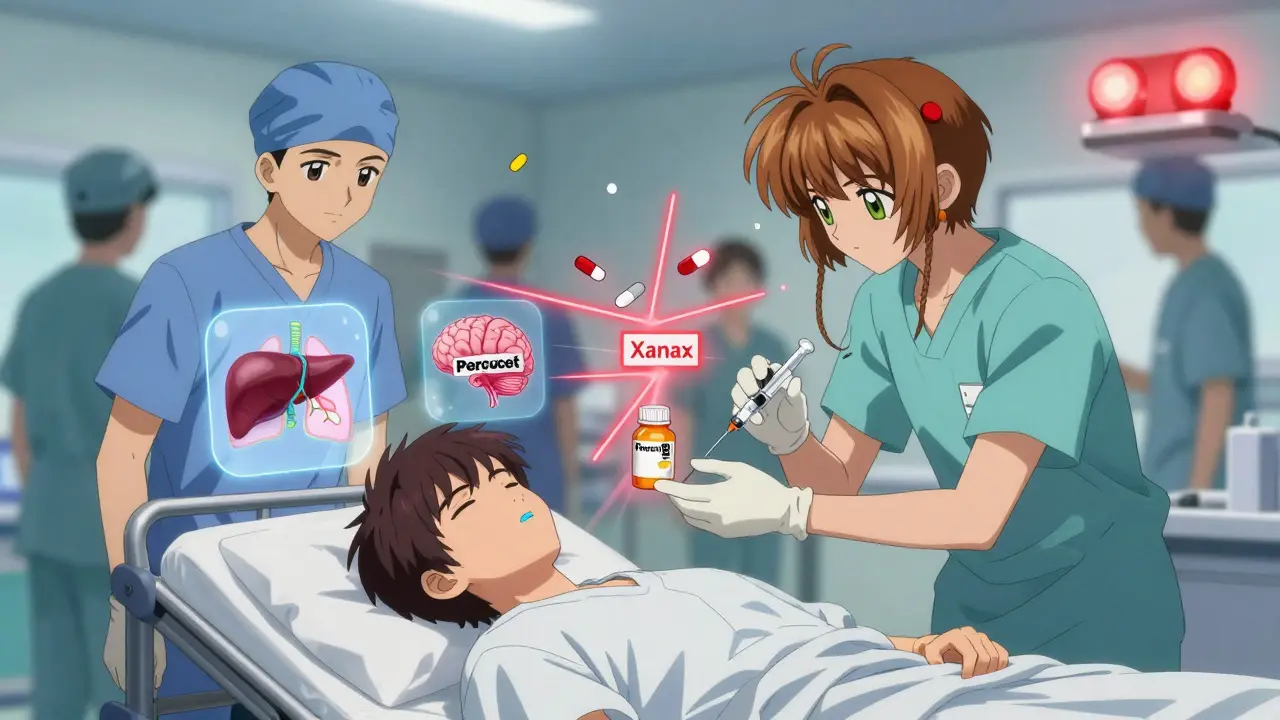
When someone overdoses on just one drug, it’s serious. When they take multiple drugs at once - say, opioids, acetaminophen, and a benzodiazepine - it becomes a medical puzzle with life-or-death stakes. This isn’t rare. In Melbourne, emergency departments see these cases weekly. Across Australia and the U.S., combinations like oxycodone + acetaminophen (Percocet), fentanyl + alprazolam, or even over-the-counter painkillers mixed with sleep aids are behind a growing number of fatal overdoses. The problem isn’t just the drugs themselves. It’s how they interact. One antidote might fix one part of the crisis… and make another part worse.
Why Multiple Drug Overdoses Are So Dangerous
Most people think of overdose as one drug pushing the body past its limit. But when two or more substances are involved, the body doesn’t just face one threat - it faces a cascade. For example, opioids slow breathing. Acetaminophen attacks the liver. Benzodiazepines deepen sedation. Together, they don’t just add up - they multiply risk.
Take a common prescription combo: Vicodin. It contains hydrocodone (an opioid) and acetaminophen. Someone might take 10 pills thinking it’s just “more pain relief.” But 10 pills means 6,000 mg of acetaminophen - three times the daily safe limit. The opioid suppresses breathing. The acetaminophen starts killing liver cells. By the time they collapse, two organs are failing at once. And if they’ve also been drinking alcohol or taking sleeping pills? The mix becomes even deadlier.
Even more dangerous are illicit mixes. Fentanyl, often added to heroin or counterfeit pills, is 50 to 100 times stronger than morphine. If someone thinks they’re taking heroin but gets fentanyl - and they’ve also taken Xanax or Valium - their breathing can stop completely. Naloxone might bring them back… but only for a short time. Fentanyl sticks around longer than naloxone. And if they’re dependent on benzodiazepines, giving flumazenil (the antidote for those) could trigger violent seizures.
What First Responders Must Do - The Five Essential Steps
When you find someone unresponsive, blue around the lips, and not breathing, time is everything. The SAMHSA Five Essential Steps for First Responders aren’t just theory - they’re the bare minimum needed to save a life in a multiple drug overdose.
- Assess the situation. Look for pill bottles, syringes, or empty containers. Note if the person is breathing. Are their pupils tiny? That’s a sign of opioids. Are they deeply sedated? Could be benzodiazepines or alcohol.
- Call emergency services. Don’t wait. Even if you give naloxone, they still need a hospital. Multiple drug overdoses can relapse hours later.
- Administer naloxone immediately. If opioids are suspected - and they almost always are in complex cases - give naloxone right away. One dose. If no response in 2-3 minutes, give a second. Fentanyl overdoses often need two or three doses. Don’t wait for confirmation. Guess wrong? Naloxone is safe. Don’t give it? They might die.
- Support breathing. Naloxone doesn’t work instantly. While waiting, start rescue breathing. Every minute without oxygen increases brain damage risk. Use a bag-valve mask if you have one. If not, do mouth-to-mouth. Don’t stop until help arrives.
- Monitor response. Even if they wake up, don’t assume they’re safe. Naloxone wears off in 30-90 minutes. Fentanyl or extended-release opioids can still be active. A person who seems fine after naloxone can slip back into respiratory arrest hours later.
Many people think, “I gave naloxone - they’re fine.” That’s a deadly myth. Overdose isn’t over until a doctor says so.
How Hospitals Handle Multiple Drug Overdoses
Emergency departments don’t just give naloxone and send people home. They run a full toxicology triage. Here’s what happens behind the scenes.
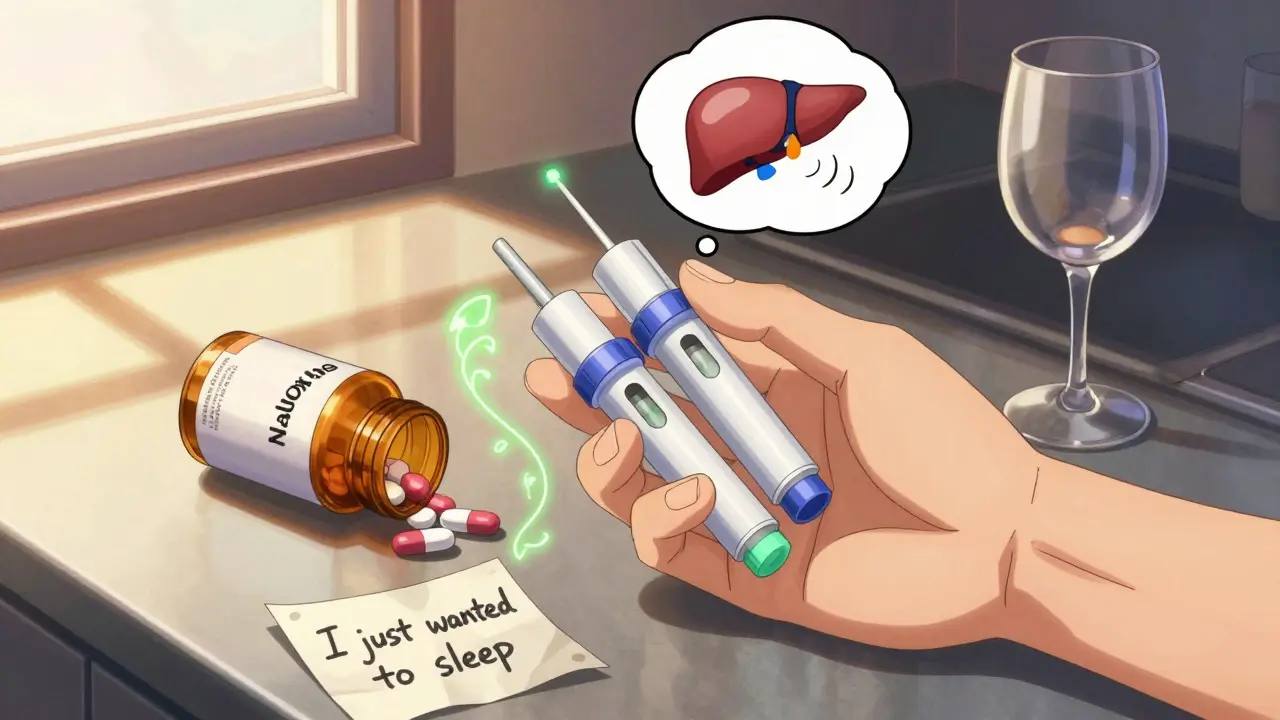
First, they check blood levels - especially for acetaminophen. If the level is above 20 μg/mL, or liver enzymes (AST/ALT) are rising, they start acetylcysteine. This antidote must be given within 8 hours of ingestion for best results. But here’s the catch: if the person took multiple doses over days (called repeated supratherapeutic ingestion), the blood level might look normal - but liver damage is still happening. That’s why doctors look at liver enzymes, not just the acetaminophen number.
For opioid overdose, naloxone is given IV or IM. But if the person is on long-acting opioids like methadone or tramadol, they might need a continuous IV drip instead of a single shot. Tramadol overdoses often need repeated doses because it lasts 5-6 hours, longer than naloxone.
For benzodiazepines, flumazenil can reverse sedation. But it’s risky. If someone’s been taking Xanax daily for anxiety, suddenly blocking it can trigger seizures. Doctors avoid it unless the overdose is pure - and even then, only with ICU backup.
Activated charcoal is sometimes used - but only if the person presents within 4 hours of ingestion. It binds to drugs in the gut before they’re absorbed. But it’s not magic. It doesn’t work on alcohol, fentanyl, or methamphetamine. And it can cause vomiting, which is dangerous if someone’s unconscious.
For severe acetaminophen toxicity - levels above 900 μg/mL with acidosis or confusion - hemodialysis is used. It’s intense. The patient is hooked to a machine that filters blood. Acetylcysteine must be given during dialysis at 12.5 mg/kg/hour. This isn’t routine. It’s reserved for the worst cases.
Drug Interactions That Can Kill
Some combinations are silent killers because they don’t look dangerous on their own.
- Opioid + Acetaminophen: The opioid kills breathing. The acetaminophen kills the liver. Naloxone fixes the first - but the liver keeps dying. Acetylcysteine takes 20+ hours to work. If naloxone wears off before then, breathing stops again.
- Opioid + Benzodiazepine: This combo is responsible for nearly half of all fatal overdoses in the U.S. Both depress the central nervous system. Naloxone helps with the opioid. Flumazenil helps with the benzodiazepine - but if the person is dependent, flumazenil can trigger seizures. Many ERs avoid it entirely in these cases.
- Acetaminophen + Alcohol: Alcohol makes acetaminophen more toxic to the liver. Even a few drinks over days can push a normal dose into the danger zone. Doctors check for alcohol use - and if it’s there, they start acetylcysteine sooner.
- Tramadol + SSRIs: Tramadol is often mistaken as “safe” because it’s not a classic opioid. But it has opioid effects and also affects serotonin. Combine it with antidepressants like fluoxetine or sertraline, and you risk serotonin syndrome - high fever, seizures, muscle rigidity. It’s rare but deadly.
There’s no single protocol. Each case is different. The best hospitals have toxicology teams that review every multiple drug case. They don’t just treat symptoms - they map the interaction.
What Happens After the Emergency
Surviving an overdose isn’t the end. It’s the beginning of a longer journey.
WHO and SAMHSA both stress that overdose survivors need more than a hospital stay. They need connection to treatment. People released from prison are at highest risk - 80% of opioid overdoses in the first four weeks after release involve multiple drugs. That’s why programs in Australia and the U.S. now give naloxone kits and buprenorphine prescriptions right at the prison gate.
After an overdose, patients should see a primary care doctor within 72 hours. Why? Because liver damage from acetaminophen can take days to show up. Heart rhythm problems from stimulants can linger. Mental health conditions - depression, anxiety, trauma - are often the root cause of misuse.
Long-term recovery means addressing the why. Was it chronic pain? Trauma? Isolation? Without that, relapse is likely. Medications like methadone or buprenorphine can help manage opioid dependence. Counseling, peer support, housing assistance - these are the real lifesavers.
And families? They need training too. Knowing how to use naloxone, recognizing early signs of overdose, and not blaming the person - that’s part of the solution.
What You Can Do - Even If You’re Not a Doctor
You don’t need to be a paramedic to save a life.
- Carry naloxone. It’s free or low-cost in many pharmacies. You don’t need a prescription in Australia. Keep one in your bag, car, or home.
- Learn how to use it. Watch a 3-minute video on YouTube. Practice on a training kit. It’s easy - push it into the thigh or nose.
- Don’t leave someone alone. If they’re unresponsive, call 000. Give naloxone. Start breathing. Stay with them. Even if they wake up, don’t let them walk away.
- Know the signs. Pinpoint pupils. Slow or stopped breathing. Blue lips. Unresponsiveness. Snoring or gurgling sounds - that’s not sleep. That’s drowning in your own breath.
- Speak up. If you see someone using drugs alone, ask if they have naloxone. If they don’t, offer yours. No shame. No judgment. Just care.
Multiple drug overdoses aren’t inevitable. They’re preventable - with knowledge, access, and courage.
Can naloxone reverse all types of drug overdoses?
No. Naloxone only works on opioids - like heroin, fentanyl, oxycodone, and tramadol. It won’t reverse overdoses from benzodiazepines, alcohol, cocaine, or acetaminophen. But in multiple drug overdoses, opioids are almost always involved. So naloxone is still the first and most critical step. Even if other drugs are present, reversing the opioid component can buy time until medical help arrives.
How long after an overdose can you still give acetylcysteine?
Acetylcysteine is most effective if given within 8 hours of acetaminophen ingestion. But it’s still recommended up to 24 hours after, especially if liver damage is suspected. Even if it’s been more than 24 hours, doctors may give it if AST/ALT levels are rising - because the liver is still under attack. Don’t wait for perfect timing. If acetaminophen was involved, give acetylcysteine.
Is it safe to give naloxone to someone who didn’t overdose on opioids?
Yes. Naloxone has no effect on non-opioid drugs. If someone didn’t take opioids, naloxone won’t harm them - they’ll just stay unconscious. But if they did take opioids, it could save their life. The risk of not giving it is death. The risk of giving it is nothing. That’s why experts say: give it if you’re unsure.
Why do some people need multiple doses of naloxone?
Fentanyl and its analogs are extremely potent and stay in the body longer than heroin or morphine. Naloxone wears off in 30-90 minutes, but fentanyl can last 4-8 hours. So even if the person wakes up after one dose, they can slip back into overdose hours later. Multiple doses - or even a continuous IV infusion - are often needed. Never assume one dose is enough.
Can activated charcoal help in a multiple drug overdose?
Only if given within 4 hours of ingestion and only for drugs that bind to charcoal - like acetaminophen, aspirin, or some antidepressants. It doesn’t work on alcohol, fentanyl, or stimulants. In hospitals, it’s used selectively. At home, it’s not recommended. The risk of vomiting and choking outweighs the benefit unless a medical professional advises it.
What should you do if someone wakes up after naloxone but says they’re fine?
Insist they go to the hospital. Naloxone wears off. The opioids may not. A person who seems fine after 15 minutes can stop breathing 3 hours later. Emergency departments can monitor them for 4-6 hours and give more treatment if needed. Going home is the most common reason people die after being revived. Don’t let them leave.

Marie Mee
i swear if i see one more person post this like its some revolutionary guide i'm gonna scream. we've known this for decades. why is it only now 'news' when rich people stop taking their benzos and opioids together? the system is broken and we're just rearranging deck chairs on the titanic.
Josh Potter
this is the kind of shit that saves lives. if you’re reading this and you’ve ever used drugs alone - put a naloxone kit in your glovebox. right now. i’m not joking. your friend might be one bad mix away from never waking up.
Jigar shah
The clinical precision of this post is commendable. Particularly the distinction between supratherapeutic ingestion and acute overdose in acetaminophen toxicity. The emphasis on liver enzyme trends over serum levels alone reflects current best practices in toxicology triage.
Philippa Skiadopoulou
In the UK, we have similar challenges. The NHS now routinely trains paramedics in multi-drug overdose protocols. However, access to acetylcysteine outside major hospitals remains inconsistent. A national guideline update is overdue.
Meghan O'Shaughnessy
I work in harm reduction in Philly. Every week someone comes in with a pill bottle that says 'oxycodone' but it's fentanyl laced with xanax. No one knows what they're taking anymore. This isn't addiction. It's a poisoned drug market. We need regulation, not just education.
Linda Caldwell
you don’t need to be a doctor to be someone’s lifeline. i carry naloxone in my purse. my cousin used to say ‘i’m fine’ after getting revived. i told him ‘no you’re not’ and drove him to the hospital. he’s alive today because i didn’t let him walk away.
Donna Packard
I appreciate the thoroughness of this. It's rare to see such a balanced, evidence-based overview without the usual moral panic. Thank you.
Anna Giakoumakatou
Ah yes, the noble white coat brigade, once again telling us how to die properly. Let me guess - you've never taken a pill that wasn't prescribed by someone with a 200k salary and a 12-year-old daughter named 'Hope'. The real tragedy isn't the overdose. It's that we treat death like a medical error instead of a systemic collapse.
Jessica Salgado
I'm a nurse. Last month, a 19-year-old came in after mixing Percocet with melatonin. He was fine after naloxone. We did the labs. His liver enzymes were through the roof. He said 'I just wanted to sleep'. We all cry in the break room after stuff like this. This isn't about bad choices. It's about a world that doesn't let people rest.
Kent Peterson
This is why America is falling apart! We're giving out antidotes like candy while letting criminals run the streets! Why not just hand out free heroin and call it 'harm reduction'? The government is enabling death! You want to save lives? Lock up the dealers! Not give out naloxone like it's a free coupon!
Sam Clark
This is an exceptionally well-structured and clinically accurate overview. I would only add that the 72-hour follow-up protocol is critical, yet under-resourced. Primary care integration with addiction services remains fragmented across most U.S. states.
Raven C
I find it deeply disturbing how casually this post treats the notion of 'giving naloxone to anyone'. What about the moral implications? Are we normalizing drug use by removing the natural consequence of death? And why is no one discussing the fact that 87% of these cases involve individuals who have previously been treated for addiction? This isn't prevention - it's institutionalized surrender.
CAROL MUTISO
You know what’s wild? The same people who scream about naloxone enabling addiction are the ones who never show up to the ER when someone’s blue. They’ll post memes about 'personal responsibility' but won’t learn how to use a nasal spray. The real enablers aren’t the medics - they’re the silent ones who think suffering is a virtue.
Kaylee Esdale
my grandma died from mixing painkillers and sleep meds. she thought they were 'just helping her rest'. i keep a naloxone kit in her old purse. sometimes i touch it when i’m scared. if you’re reading this and you’re scared too - you’re not alone. just carry it.
Patrick A. Ck. Trip
While the clinical guidance presented is largely accurate, one minor typographical error exists in the section regarding tramadol: it states that 'naloxone wears off in 30-90 minutes' - this is correct for the standard dose, but the half-life of tramadol's metabolite, O-desmethyltramadol, may require extended monitoring beyond the typical naloxone window. A footnote or clarification would enhance precision.