Can You Use Expired OTC Medications? Risk vs. Benefit Guide
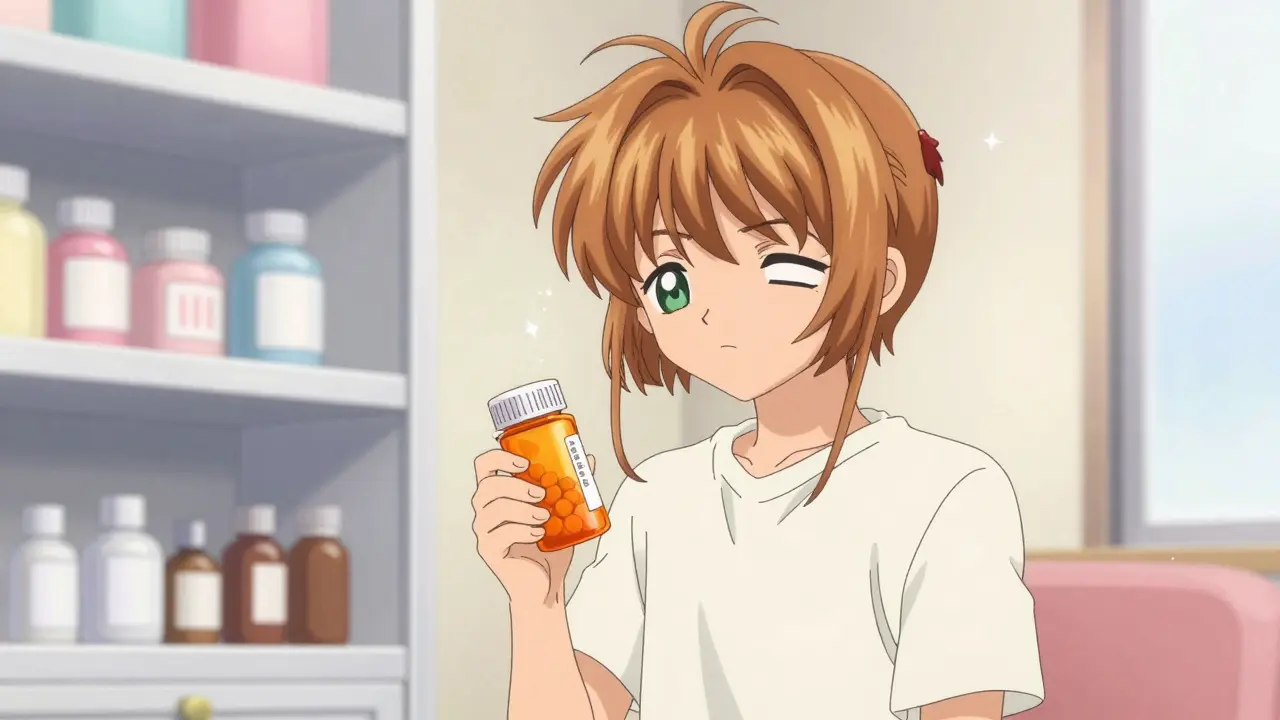
You open your medicine cabinet to find a bottle of pain relievers and realize the date passed six months ago. Do you toss it immediately, or is it still safe to use? Most of us have been there. While the label says one thing, the reality of chemistry is often a bit more flexible. However, while a slightly out-of-date allergy pill might be harmless, using an expired life-saving drug could be a dangerous gamble.
| Medication Type | Typical Risk Level | Primary Concern |
|---|---|---|
| Solid Analgesics (Tylenol, Advil) | Low | Slight loss of potency |
| Antihistamines (Claritin) | Very Low | Minimal degradation |
| Liquid Syrups/Suspensions | Moderate to High | Bacterial growth & potency loss |
| Eye Drops / Sterile Solutions | High | Microbial contamination |
| Critical Care (Insulin, Epinephrine) | Extreme | Life-threatening failure |
What Exactly is an Expiration Date?
When you see a date on your bottle, it isn't a "self-destruct" timer. Expiration dates is the final day a manufacturer guarantees that a drug will maintain its full potency and safety. Since 1979, the U.S. Food and Drug Administration the federal agency responsible for protecting public health by ensuring the safety and efficacy of medications (FDA) has required this labeling. Essentially, it's a quality guarantee. Most over-the-counter (OTC) drugs have a shelf life of one to five years, but that stability depends heavily on how you store them.
If you keep your meds in a humid bathroom or a hot car, those dates matter a lot more. In fact, FDA testing shows that drugs stored above 30°C (86°F) lose their potency three times faster than those kept in a cool, dry place. So, if your "expired" pills were sitting in a sauna-like bathroom for a year, they are likely much weaker than pills kept in a cool bedroom closet.
The Difference Between Tablets and Liquids
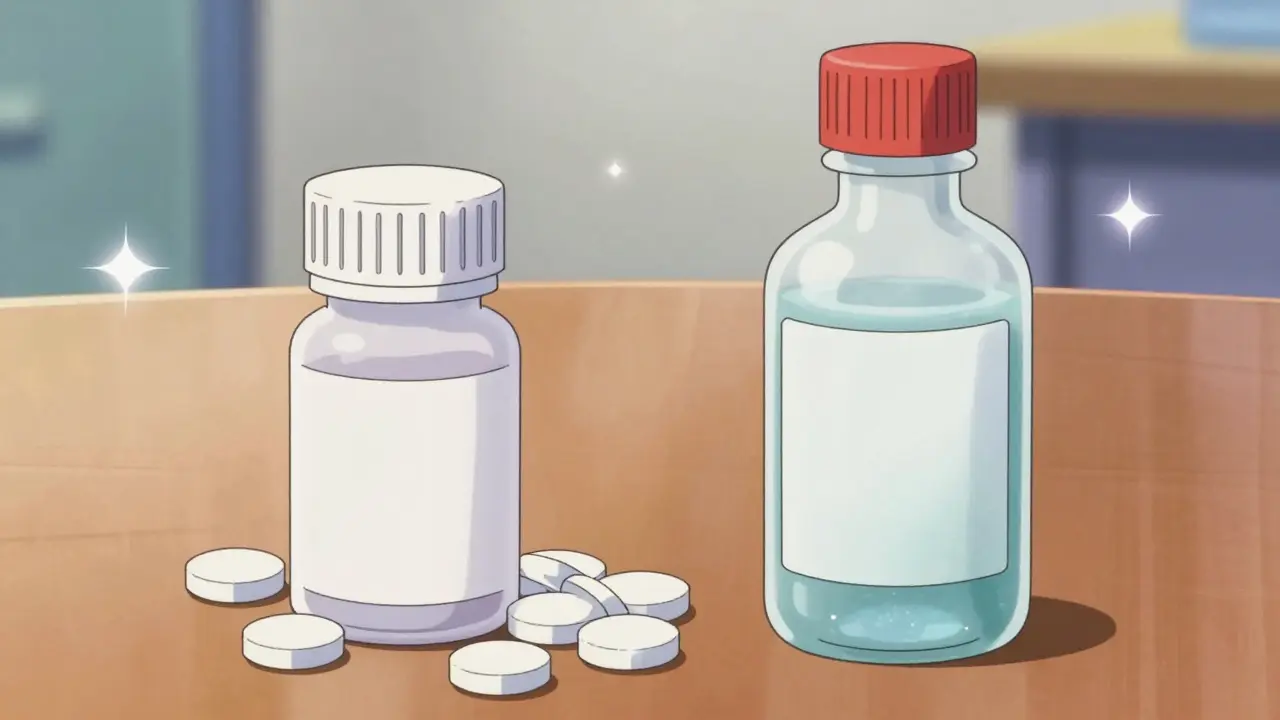
Not all forms of medicine age the same way. If you're weighing the expired medications risk, the first thing to look at is whether the drug is a solid or a liquid. Tablets and capsules are generally much more stable. Research from Harvard Medical School found that in about 88% of cases, tablets stored at 25°C (77°F) kept over 90% of their strength even one to two years past their date.
Liquids are a different story. Syrups and suspensions are prone to chemical breakdown and, more importantly, bacterial contamination. One study from University Hospitals revealed that 43% of liquid medications showed bacterial growth within just six months of expiring. This is why you should almost never gamble with an old cough syrup.
Then there are eye drops. These must stay sterile to prevent serious infections. Data from Providence Health suggests that 72% of eye drops develop microbial contamination within three months of expiration. Putting contaminated drops into your eye can lead to severe infections, making the "benefit" of saving a few dollars completely irrelevant.
High-Stakes vs. Low-Stakes Medications
The real question is: what happens if the drug doesn't work at 100%? For a minor headache, a pill that is 85% effective is still helpful. For a heart attack, it's a catastrophe. This is the core of the Risk vs. Benefit analysis.
Low-Risk Categories
Common analgesics like Acetaminophen a common pain reliever and fever reducer used in Tylenol and Ibuprofen a nonsteroidal anti-inflammatory drug used for pain and swelling typically retain most of their effectiveness for up to two years post-expiration. Similarly, antihistamines like loratadine (Claritin) are incredibly stable, often remaining effective for three to five years beyond the date on the bottle.
High-Risk Categories
Critical medications simply cannot be trusted past their date. Nitroglycerin tablets, used for chest pain, can lose 50% of their potency within six months of expiring. If you are relying on these for a medical emergency, an expired pill is essentially a placebo. The same goes for insulin and epinephrine; these are biologically active products that degrade rapidly, and using them past expiration can be life-threatening.
Antibiotics also carry a unique risk. While they might not become "toxic," a sub-potent antibiotic can fail to kill an entire infection. This doesn't just leave you sick; it can contribute to antibiotic resistance, making future infections much harder to treat. Historically, some expired tetracyclines were even linked to kidney damage, showing that in rare cases, degradation products can actually be harmful.
How to Tell if a Medication has Actually Gone Bad
Since you can't see "potency" with your eyes, you have to look for physical red flags. If you're unsure about a pill, look for these indicators before considering use:
- Texture changes: Tablets that crumble easily or have developed cracks.
- Color shifts: Pills that have faded, spotted, or changed color entirely.
- Liquid consistency: Syrups that look cloudy, have separated into layers, or have sediment at the bottom.
- Scent: Any strong or unusual smell that wasn't there when the bottle was new.
Keep in mind that the original sealed container is your best friend. Research shows that medications in their original packaging maintain their potency 40% longer than those transferred to generic pill organizers. If you moved your pills into a plastic weekly tray, the expiration date becomes much more critical because the drugs are exposed to more air and moisture.

The Smart Way to Dispose of Old Meds
When the risk outweighs the benefit, it's time to clean house. But don't just throw everything in the trash where pets or children could find them. For most solid pills, a common and pharmacist-approved method is to mix them with something unappealing, like coffee grounds or kitty litter, seal them in a bag, and then toss them in the trash.
However, some drugs are too dangerous for the trash. The FDA recommends flushing certain high-risk medications, particularly potent opioids, to prevent accidental ingestion or intentional misuse by others. The best option, whenever available, is a drug take-back program at your local pharmacy.
Will an expired medication become toxic?
In the vast majority of cases, no. Most OTC medications simply lose their effectiveness over time. They don't suddenly turn into poison. However, there are rare exceptions-like certain old tetracycline antibiotics-that can cause harm, so it's always better to be cautious with antibiotics.
Can I use an expired allergy pill for one day until I get a new bottle?
Generally, yes. For low-stakes conditions like seasonal allergies or a minor headache, taking a medication that is a few months past its date is considered low risk by many health professionals, provided the pill looks and smells normal.
Why are liquid medications more dangerous when expired?
Liquids are more chemically unstable than solids and can act as a breeding ground for bacteria. Once the preservatives in a liquid medication break down, the risk of microbial contamination increases significantly, which can lead to infections.
Should I trust a medication if it was stored in a hot car?
No. Extreme heat accelerates the chemical breakdown of the active ingredients. If a medication has been exposed to temperatures above 86°F (30°C), it may lose its potency much faster than the expiration date suggests. It's safer to replace it.
Is there any medication I should NEVER use past the expiration date?
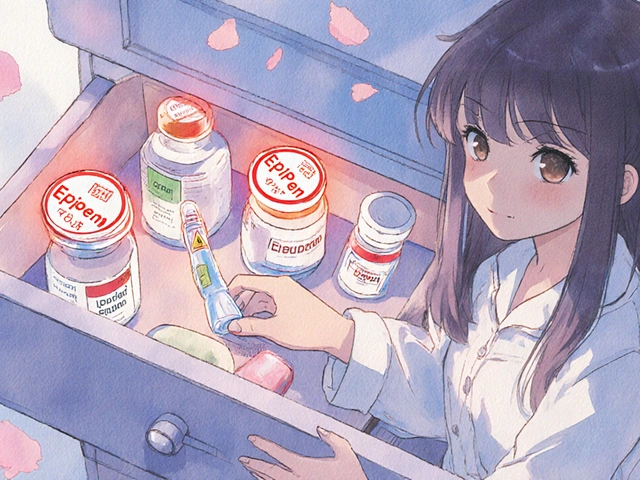
Yes. Any life-saving or critical medication, such as insulin, epinephrine (EpiPens), and nitroglycerin, should be replaced immediately upon expiration. A loss of potency in these drugs can result in a failure to treat a life-threatening emergency.
What to Do Next
If you're cleaning out your cabinet today, start by separating your meds into "Critical" and "General." Anything in the critical category (heart, diabetes, severe allergies) that is past its date should be disposed of immediately. For general OTCs, check for the visual red flags mentioned above. If the pills are crumbling or the liquid is cloudy, toss them. If you're unsure, a quick call to your local pharmacist can give you a definitive answer based on the specific drug's chemistry.