Health and Wellness: Practical Tips and Trusted Drug Info
Looking for clear, usable advice about medications, supplements, and everyday health? This section collects focused guides you can actually use. You’ll find quick explanations of how common drugs work, real tips to reduce side effects, smart ways to save on prescriptions, and simple lifestyle moves that help manage chronic issues.
Want specifics? Read about how infrared saunas can affect rosacea and what dermatologists recommend for sensitive skin. If acid reflux bothers you, our breakdown of Prevacid (lansoprazole) explains how the medicine works, common side effects, and safe ways to take it. We also cover energy struggles with blood pressure meds like nifedipine and offer practical fixes to feel less tired without risking your treatment.
How to use this category
Start with short guides when you need a quick answer. Use deeper posts for decisions that affect your daily routine or wallet. For medication changes, keep these steps in mind: write down symptoms and when they appear, check drug interactions before adding supplements, and always bring a list of your meds to appointments. If cost matters, read the article on cheaper alternatives to Valtrex — it explains generic options and pharmacy tricks that often lower out‑of‑pocket costs.
When buying meds online, follow safety rules: choose well-known pharmacies, verify a U.S. or local phone number, avoid offers that seem too cheap, and check that the active ingredient matches your prescription. Our Rybelsus guide explains what to look for with semaglutide products and how to spot risky sellers.
Daily health habits that actually help
Small routines add up. For sleep problems try taking melatonin 30 to 60 minutes before bed and keep doses low. To ease muscle stiffness, add short stretching sessions and a warm shower before sleep. For skin and scalp conditions like psoriasis, follow a consistent gentle skincare routine and track triggers such as stress or certain soaps. If you live with chronic conditions — diabetes, HIV, sickle cell — regular checkups and clear communication with your care team prevent many complications.
Supplements can support health but carry risk. Read product guides before trying popular options like chromium, cashew or angelica supplements. Look for clear ingredient lists and avoid high, unproven doses. If a supplement claims to cure serious disease, question it.
Finally, use this category as a practical toolkit. Each article links to sources, side effect lists, and real patient tips so you can make smarter daily choices. If something feels off after a new medicine or supplement, stop it and call your provider. Your doctor knows your full history — combine that with what you read here and you’ll make better, safer health decisions.
Explore topics that matter: liver risks with cancer drugs like nilotinib, new uses for lenalidomide in CNS lymphoma, seizure control with levetiracetam, and practical toenail or skin antifungal choices such as butenafine vs clotrimazole. We update guides often, so check timestamps and follow links to patient stories and source studies before trying anything new.
Read, learn, act safely.

Shingles Vaccine: Who Should Get It and When
Shingrix is the only shingles vaccine available today. It’s over 90% effective at preventing shingles and its painful nerve complications. Learn who should get it, when, and what to expect.

Travel and Weight Management: How to Eat Smart at Airports and Restaurants
Learn how to eat smart at airports and restaurants while managing your weight. Discover what to order, what to avoid, and simple strategies to stay on track without sacrificing flavor or satisfaction.

Control and Choice: How Autonomy in Medication Selection Empowers Patients
Medication autonomy gives patients the right to choose their treatments based on informed consent, personal values, and real-world trade-offs-not just doctor recommendations. Learn how to claim your power in medication decisions.

Athlete Anti-Doping Rules: Prescription Medications and Side Effects to Consider
Athletes must understand how prescription medications interact with anti-doping rules. Learn which drugs are banned, how to get a Therapeutic Use Exemption, and how to avoid dangerous side effects while staying compliant.

Diet and Autoimmunity: Evidence for Anti-Inflammatory Eating Patterns
Anti-inflammatory eating patterns like the Mediterranean diet can reduce inflammation and improve symptoms in autoimmune diseases. Evidence shows lower CRP levels, less pain, and fewer flare-ups with whole foods, omega-3s, and fiber-while avoiding sugar and processed foods.
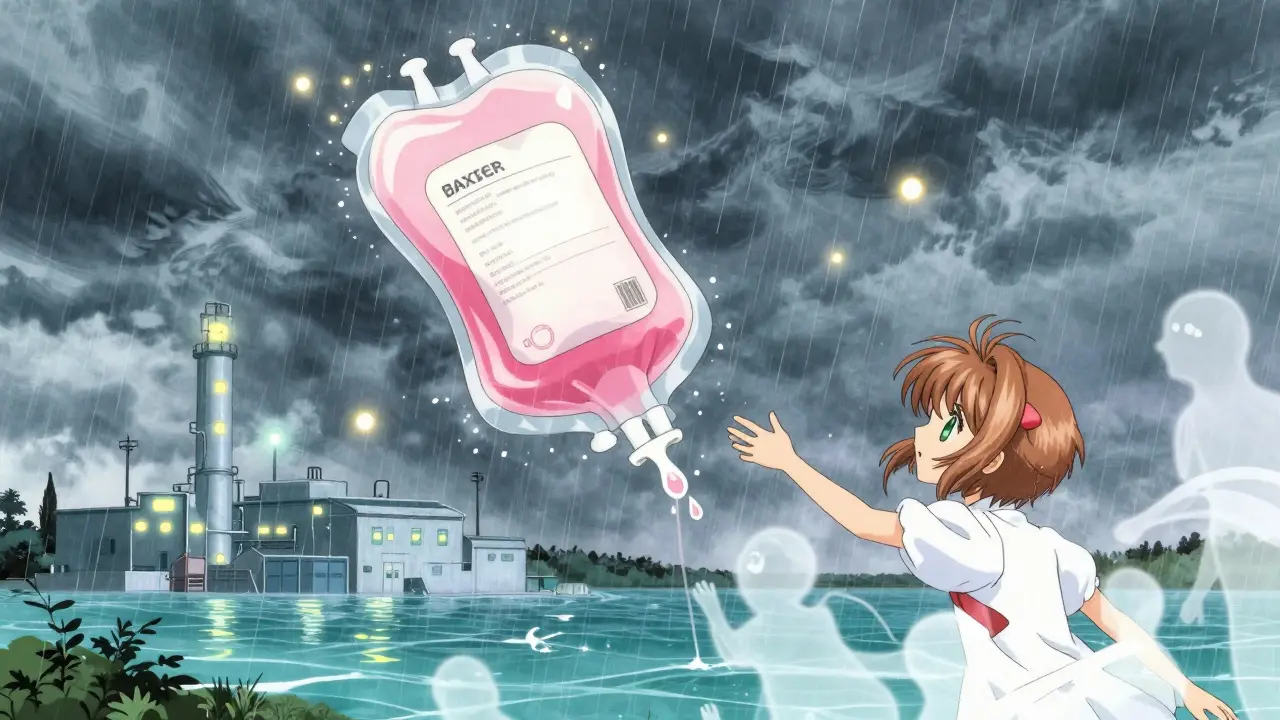
Natural Disasters and Drug Shortages: How Climate Change Is Breaking the Medicine Supply Chain
Natural disasters like hurricanes and floods are increasingly causing life-threatening drug shortages across the U.S., exposing dangerous gaps in pharmaceutical supply chains. From IV fluids to insulin, climate risks are putting patient care at risk.
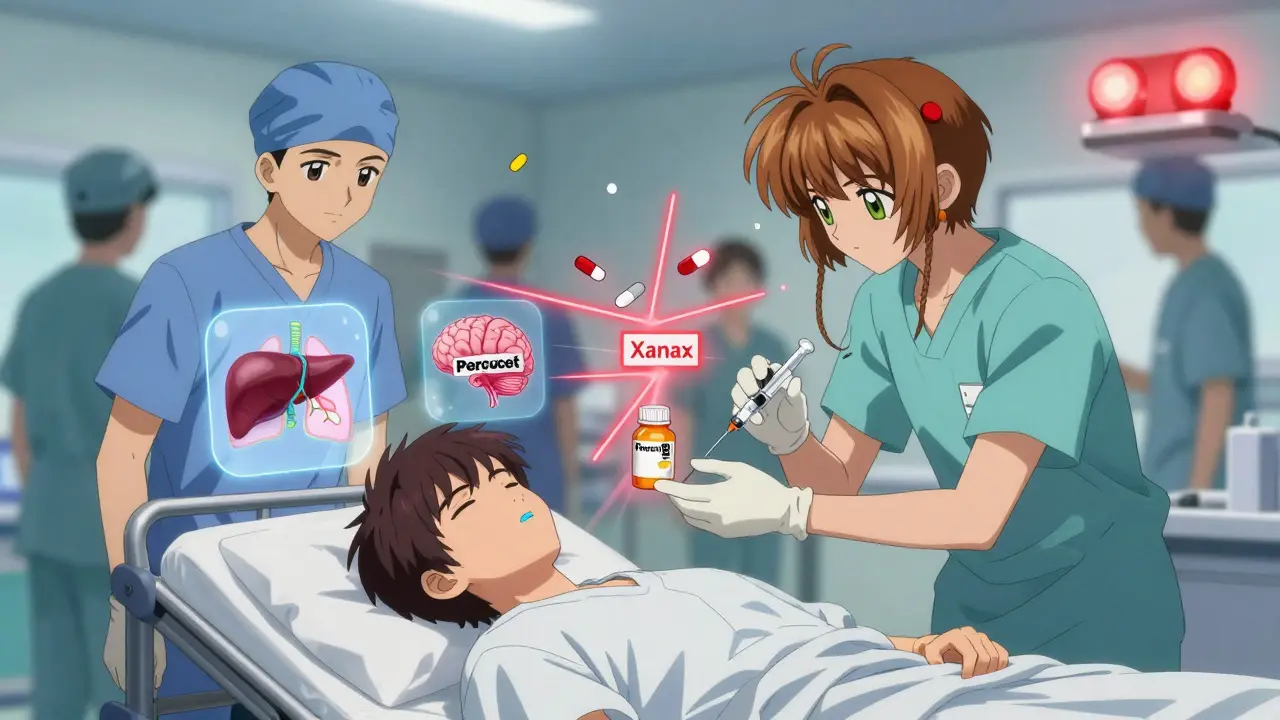
Multiple Drug Overdose: How to Manage Complex Medication Emergencies
Multiple drug overdoses are complex, deadly emergencies requiring immediate, coordinated treatment. Learn how naloxone, acetylcysteine, and other interventions work together - and what you can do to save a life.

Social Media Education for Patients: Using Digital Platforms to Improve Health Literacy
Social media is now the primary way patients learn about their health. Learn which platforms work best, what content patients actually engage with, and how to use digital tools to improve health literacy without compromising safety or trust.

Strength Training for Fat Loss: How to Program for Real Results
Strength training is the most effective way to lose fat and keep it off. Learn how to program workouts that build muscle, boost metabolism, and deliver real body composition changes-without endless cardio.

Zoonotic Diseases: How Animal-to-Human Infections Spread and How to Stop Them
Zoonotic diseases jump from animals to humans and cause most emerging infections. Learn how rabies, salmonella, and Lyme disease spread, who’s at risk, and simple steps to protect yourself and your family.
Top News
-
When to Seek Emergency Care: Medication Red Flags and Warning Signs 4.04.2026
-
Pomegranate Juice and Medication Metabolism: What to Consider 1.04.2026
-
FDA Oversight of Foreign Generic Drug Manufacturing: Standards and Compliance 8.04.2026

-
How to Identify Authorized Generics: Packaging and Labeling Guide 7.04.2026